

Before the iPhone 7, there was the HTC One X — my very first smartphone, made by the Taiwanese company HTC. Before that, I had two Nokias, but unfortunately, neither of them survived in my collection. That means no Nokia teardown under my beloved MACRO lens. Luckily, the HTC One X was still waiting patiently in a drawer all these years.
If you’ve seen my teardowns of the iPhone 7 and the iPod Touch, you’ll know what to expect. If not, I recommend giving those a quick read before diving into this one — the process will feel familiar.
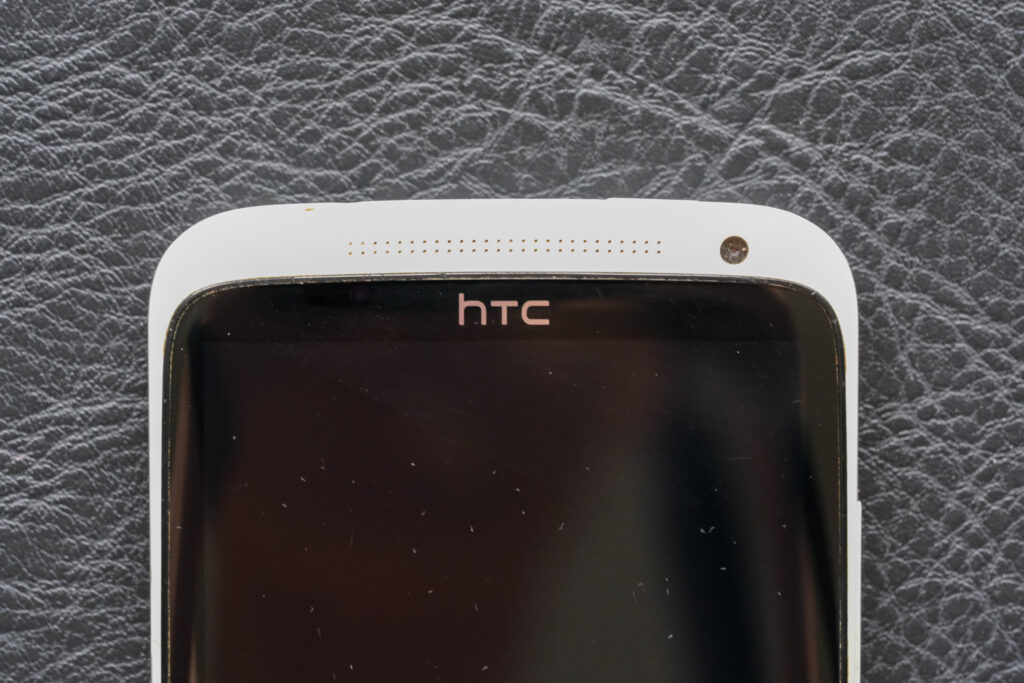
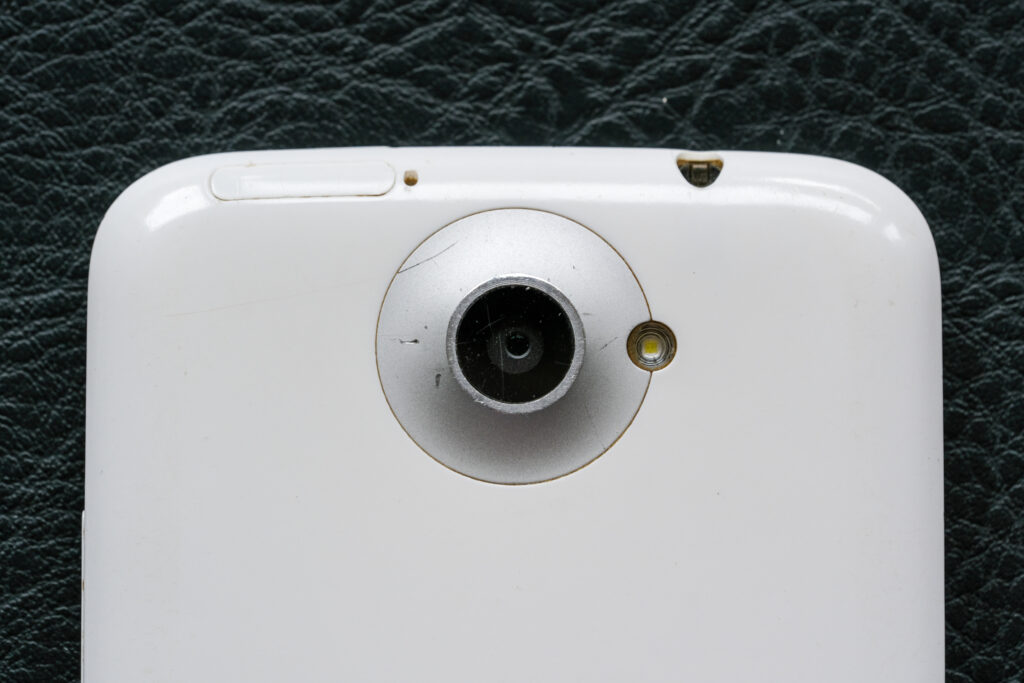
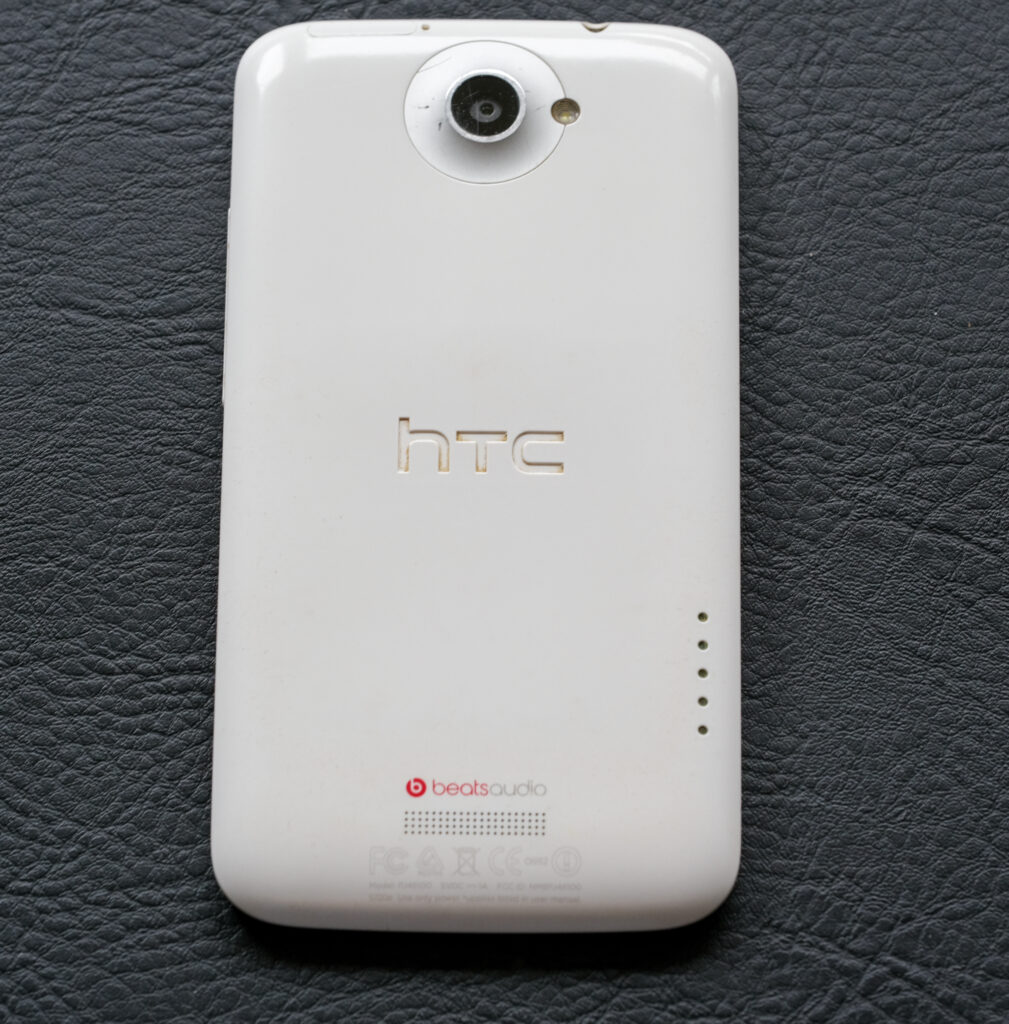
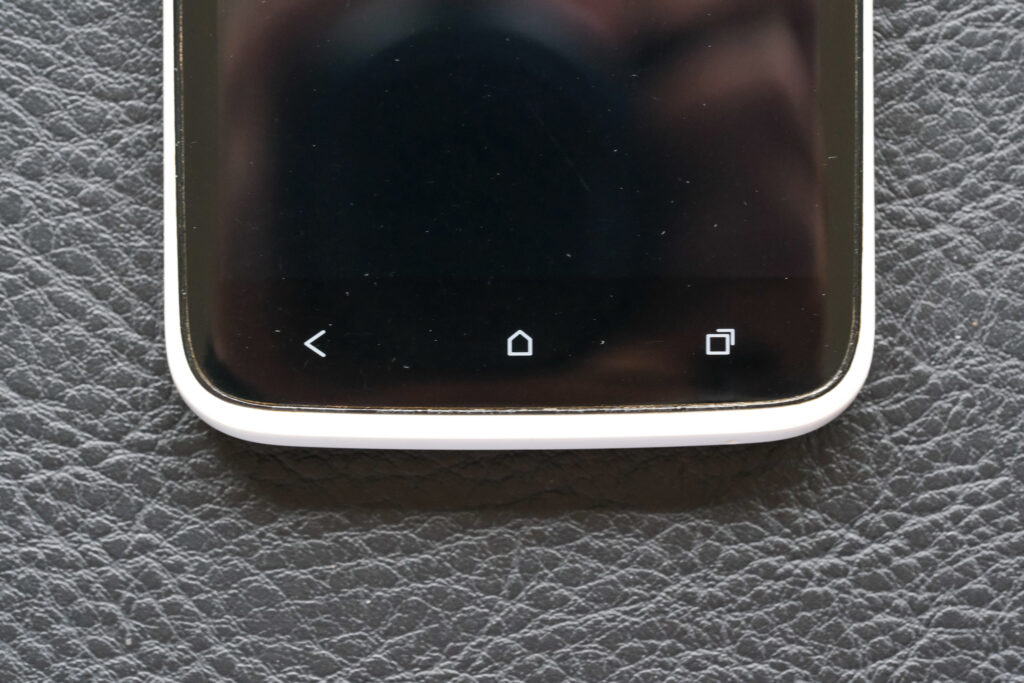
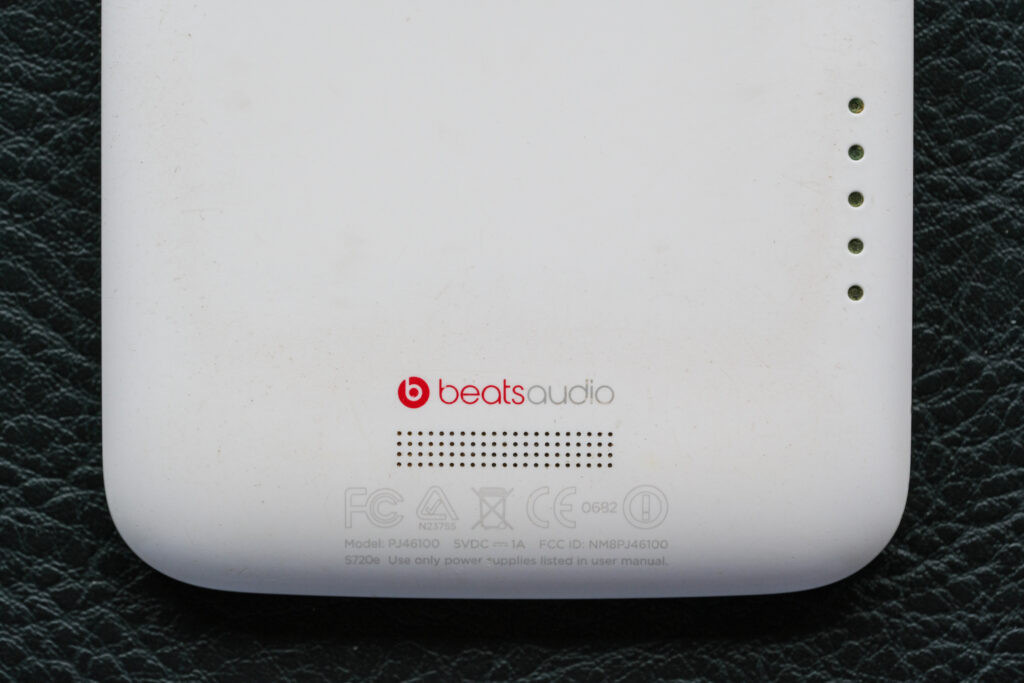
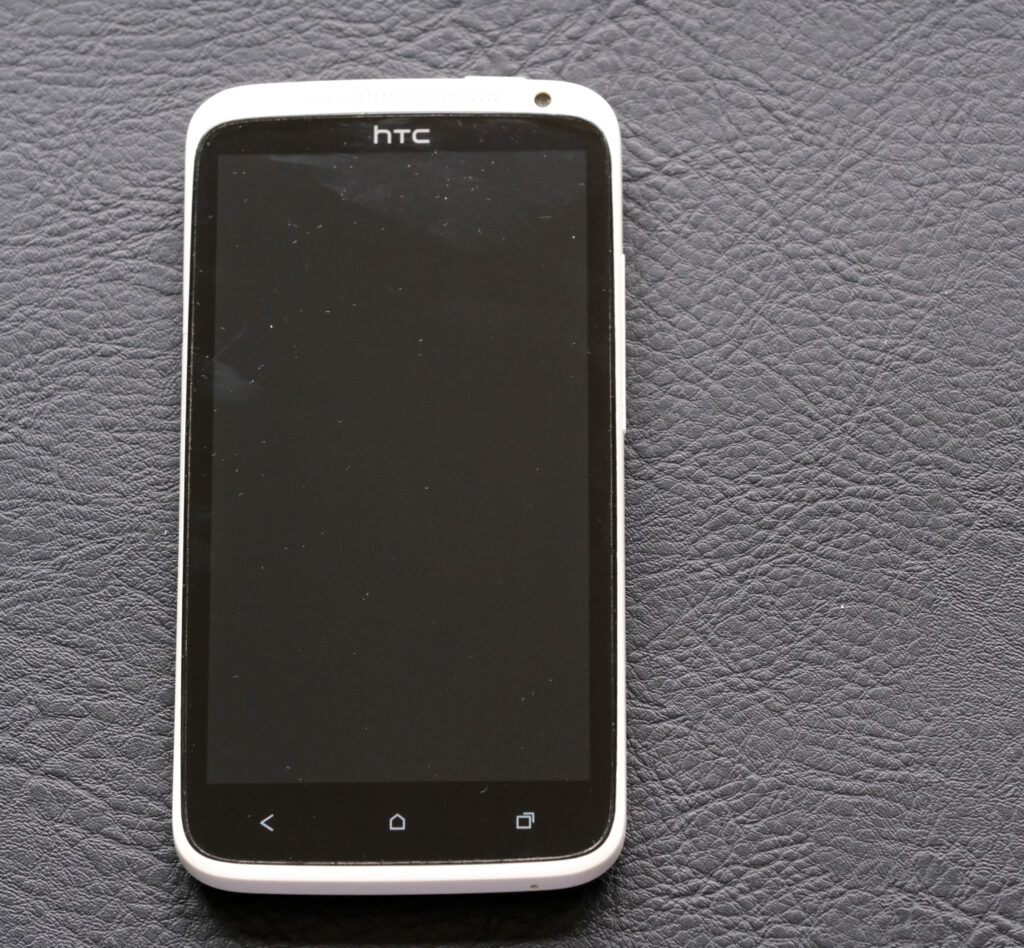
Here are the key specifications of the HTC One X:
| Feature | Specification |
|---|---|
| Release Year | 2012 |
| Body | Polycarbonate unibody |
| Display | 4.7” Super LCD2, 1280×720 (HD), 312 ppi, Gorilla Glass 2 |
| Processor (International) | NVIDIA Tegra 3, Quad-core 1.5 GHz |
| GPU | ULP GeForce (Tegra 3) / Adreno 225 (S4) |
| RAM | 1 GB |
| Storage | 32 GB (no microSD slot) |
| Main Camera | 8 MP, f/2.0, LED flash, 1080p video, ImageSense chip |
| Front Camera | 1.3 MP, 720p video |
| Battery | 1800 mAh, non-removable |
| OS (launch) | Android 4.0 Ice Cream Sandwich, HTC Sense 4 |
| Connectivity | Micro-USB (MHL), 3.5mm jack, Wi-Fi, Bluetooth 4.0, NFC (select models) |
| Audio | Beats Audio enhancement |
| Dimensions | 134.4 × 69.9 × 8.9 mm |
| Weight | 130 g |
For a smartphone released in 2012, those specs were genuinely impressive. I still remember how tech bloggers raved about its quad-core processor — a real powerhouse for its time. Honestly, though, I don’t have any particularly vivid or nostalgic memories of using this device. It took decent photos, I probably played a game or two, and I definitely listened to music. But nothing about it makes me think, “Wow, I loved this phone, and I miss having it around.” After all, you shouldn’t get too attached to things in the first place.
Alright then, let’s see what this device looks like on the inside.
Right away, figuring out how to remove the screen was a challenge. On iPhones, it’s simple: two pentalobe screws, then gently lift the screen. The old iPod Touch had no screws at all — you just had to muscle your way under the display. The HTC One X, however, was a different story. First, you remove the SIM card tray. Then, with a guitar pick through the charging port, you try to separate the white unibody from the internals.
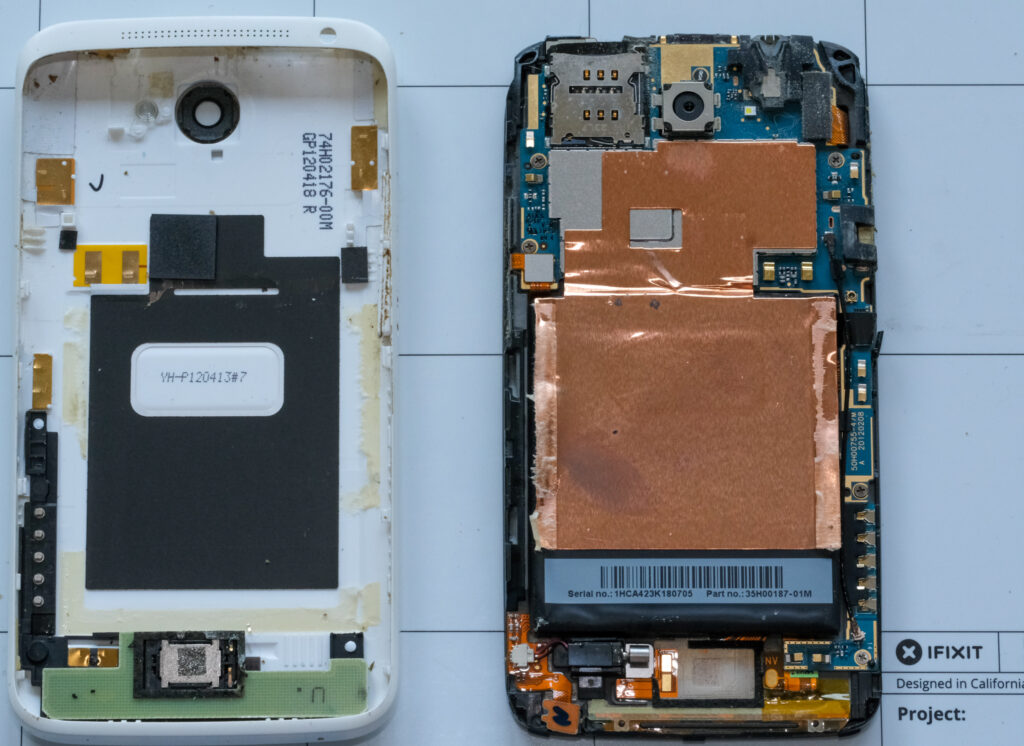
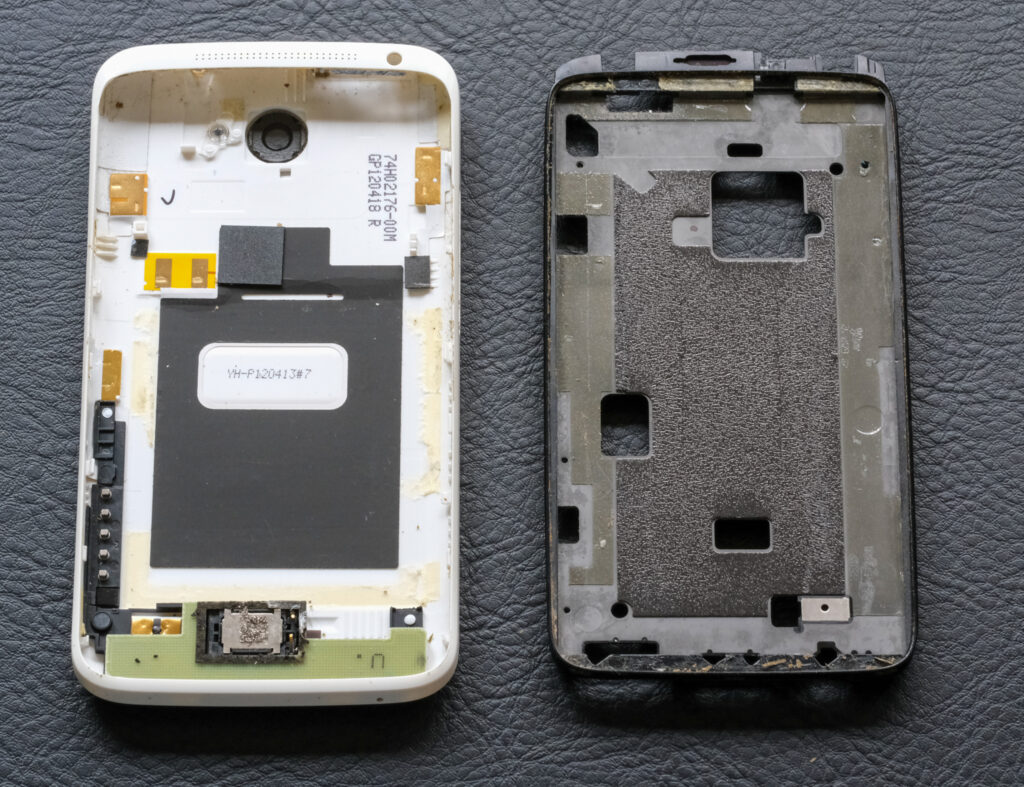
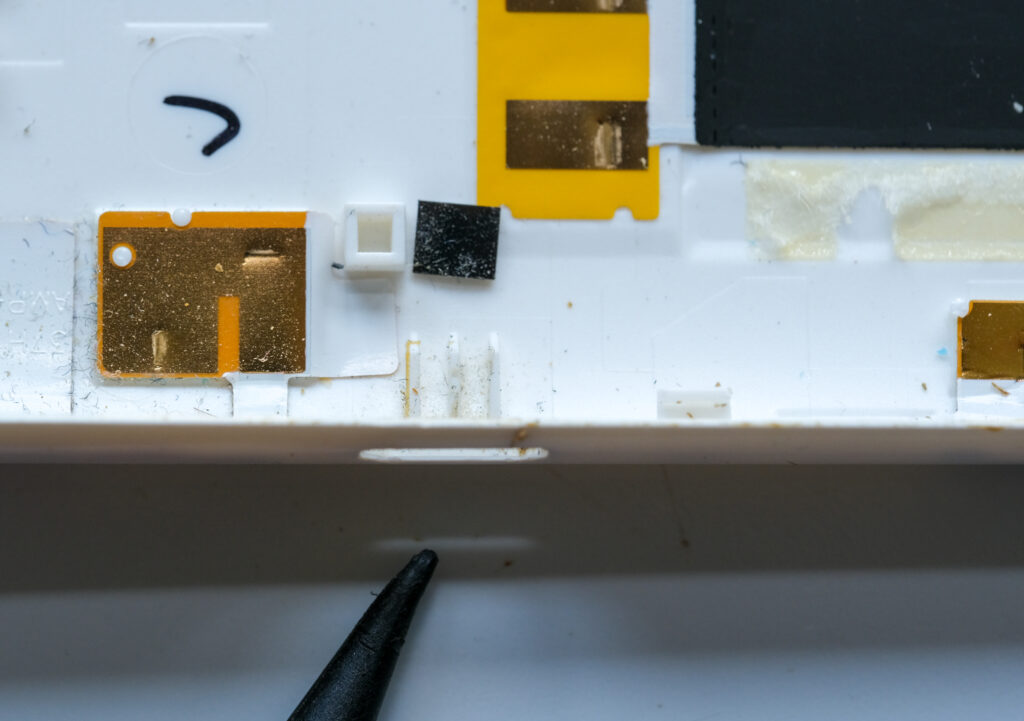
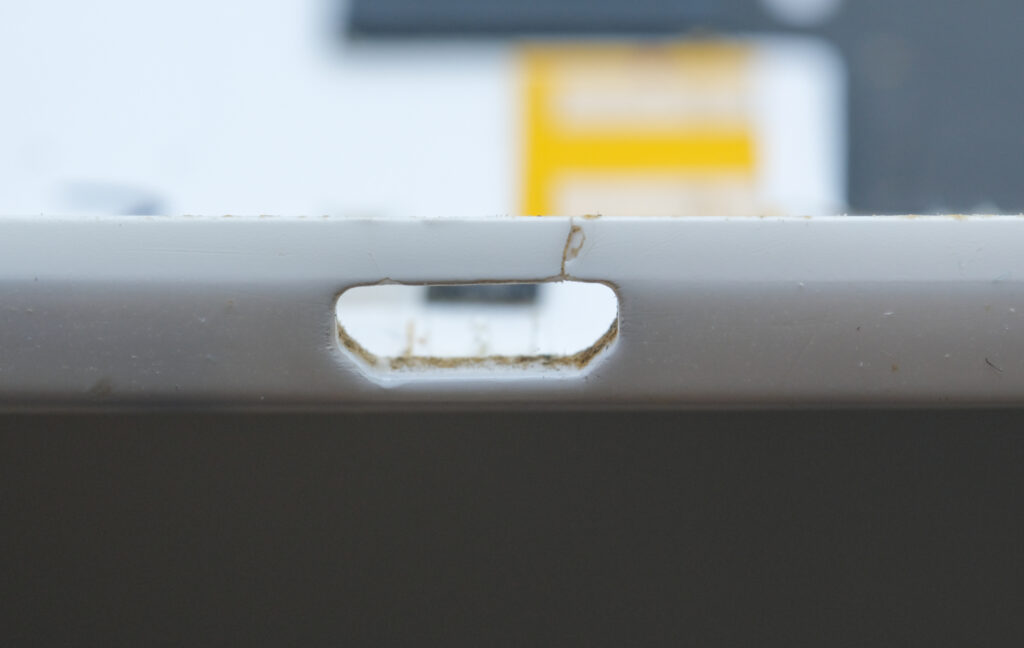
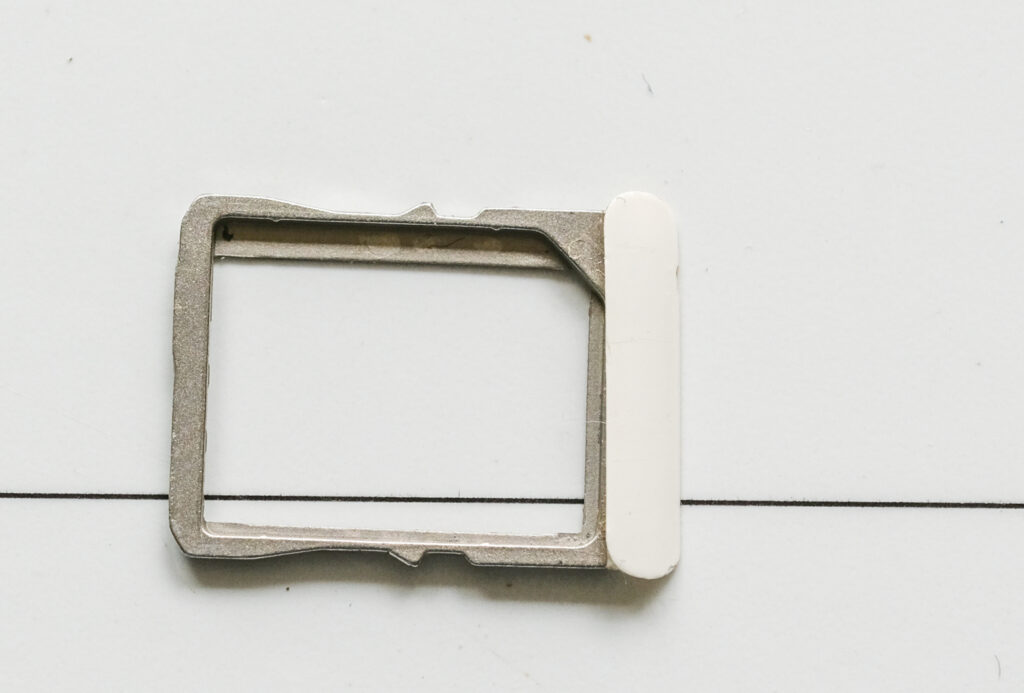
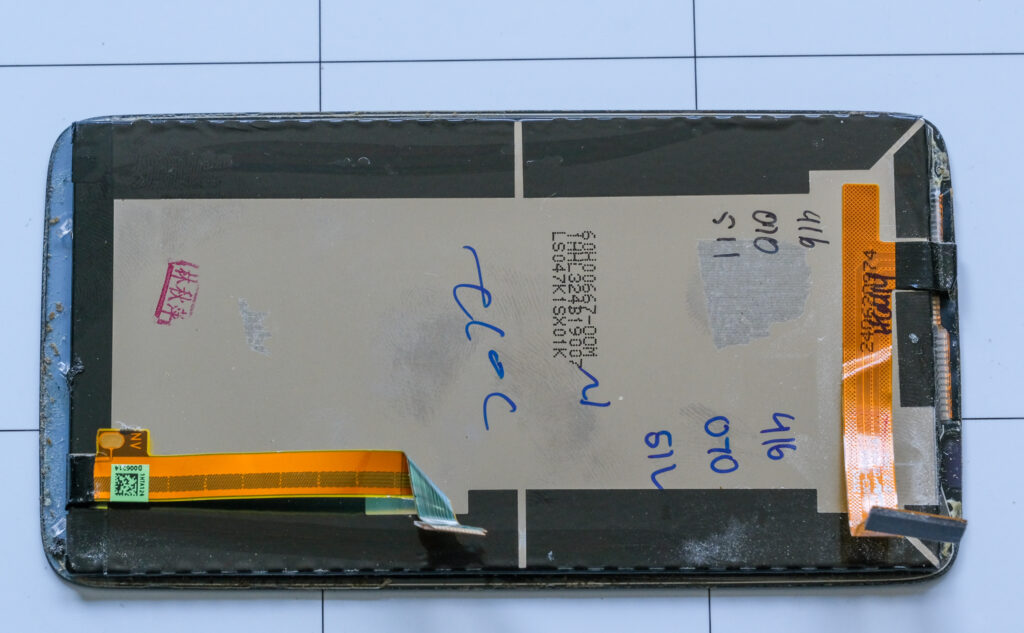
Of course, I didn’t know that at first. Instead, I tried using a suction cup to pull the screen off. Bad idea. I nearly peeled off the digitizer and snapped two LCD cables that connect the display to the motherboard. It turns out the screen, battery, and motherboard are all mounted together on a single plastic frame (third photo above, next to the white unibody). You can’t just remove the screen to reach the battery and other components — you have to take the whole assembly out of the unibody in one piece. I spent a solid fifteen to twenty minutes carefully working it out, trying not to break anything. Even though I’ll never use or reassemble this phone, I still wanted to do a proper teardown.
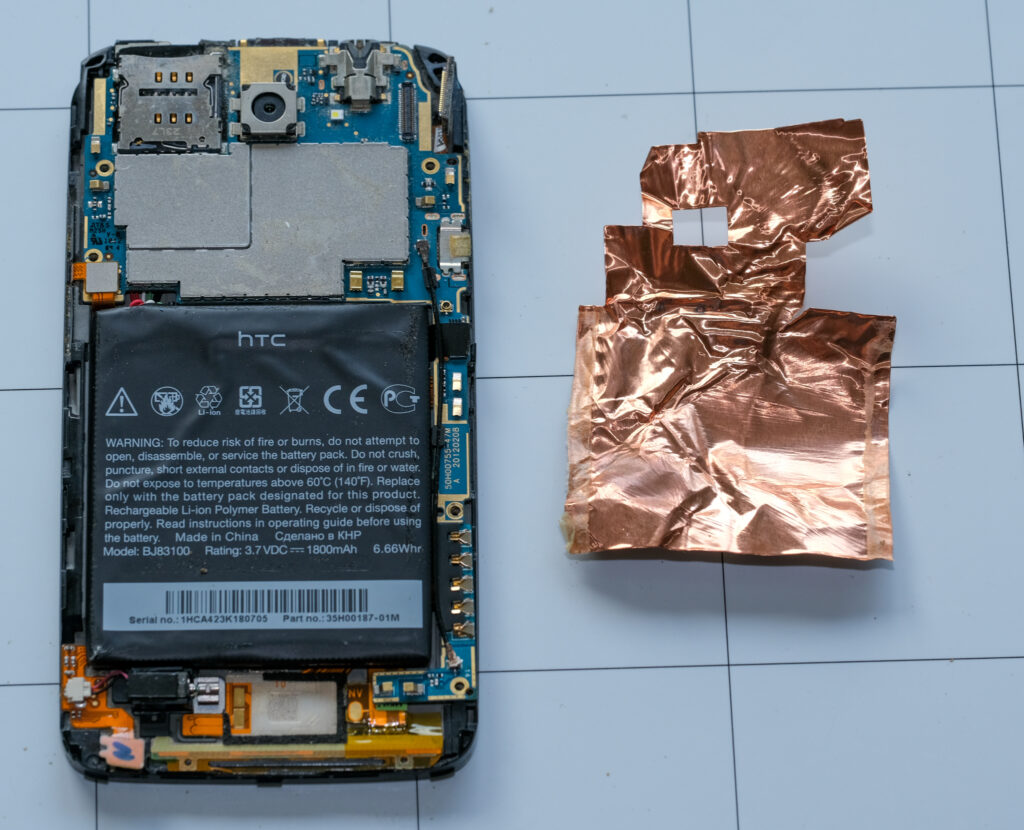
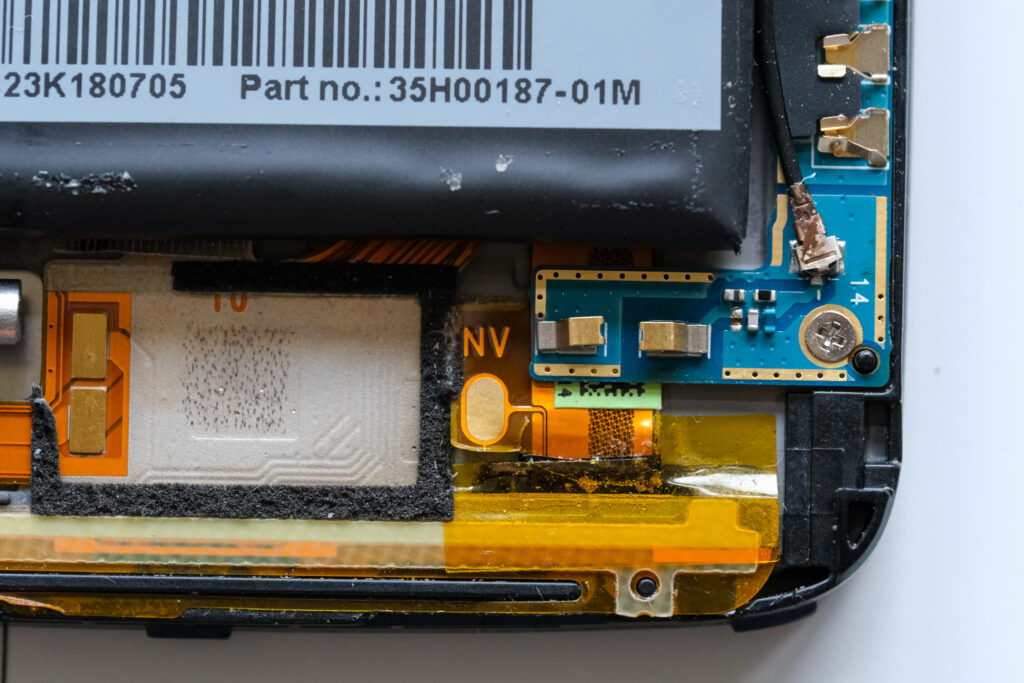
Whenever I open up a device for the first time, I usually expect to find plenty of dust. And this HTC One X was no exception. Its insides hadn’t seen the light of day since a skillful Taiwanese assembly worker put it together some thirteen years ago — so yes, there was dust, and lots of it. For those curious, that pink-gold material you see is copper foil tape with conductive adhesive. As far as I understand, it’s there to reduce electromagnetic interference inside the phone. Good luck getting it back in place if you ever plan on reassembling the device.
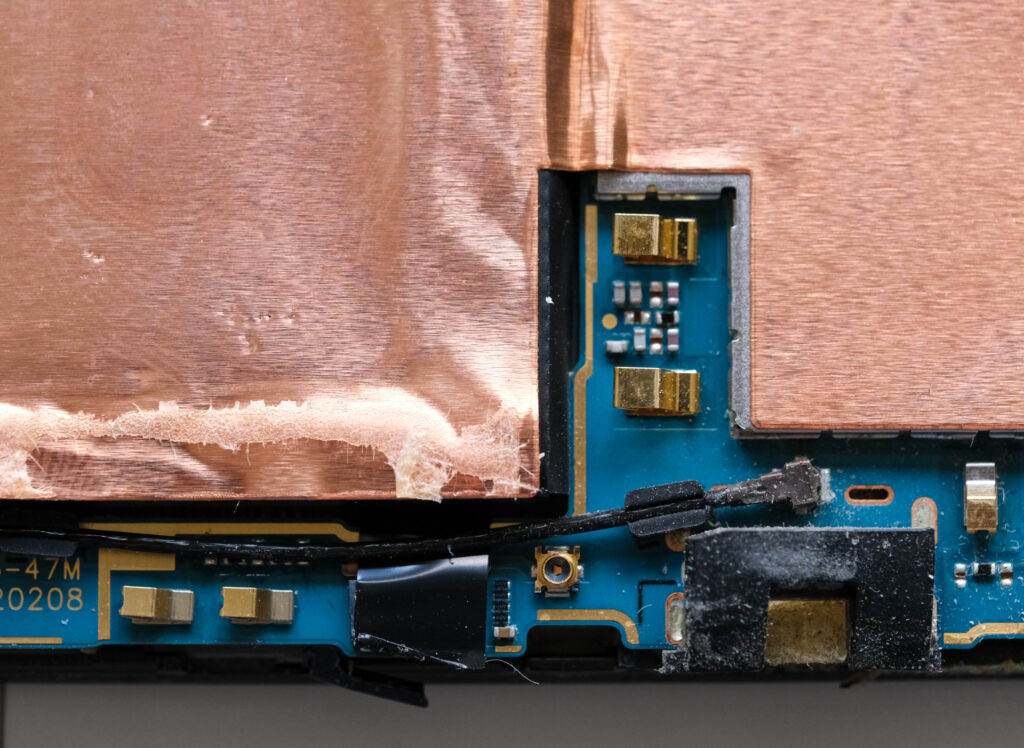
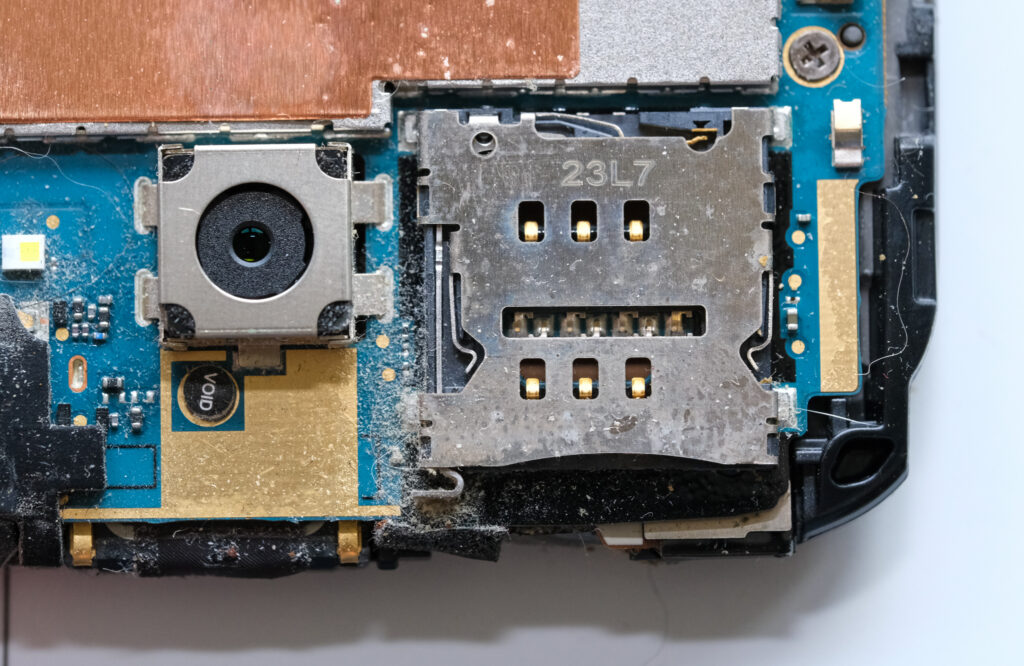
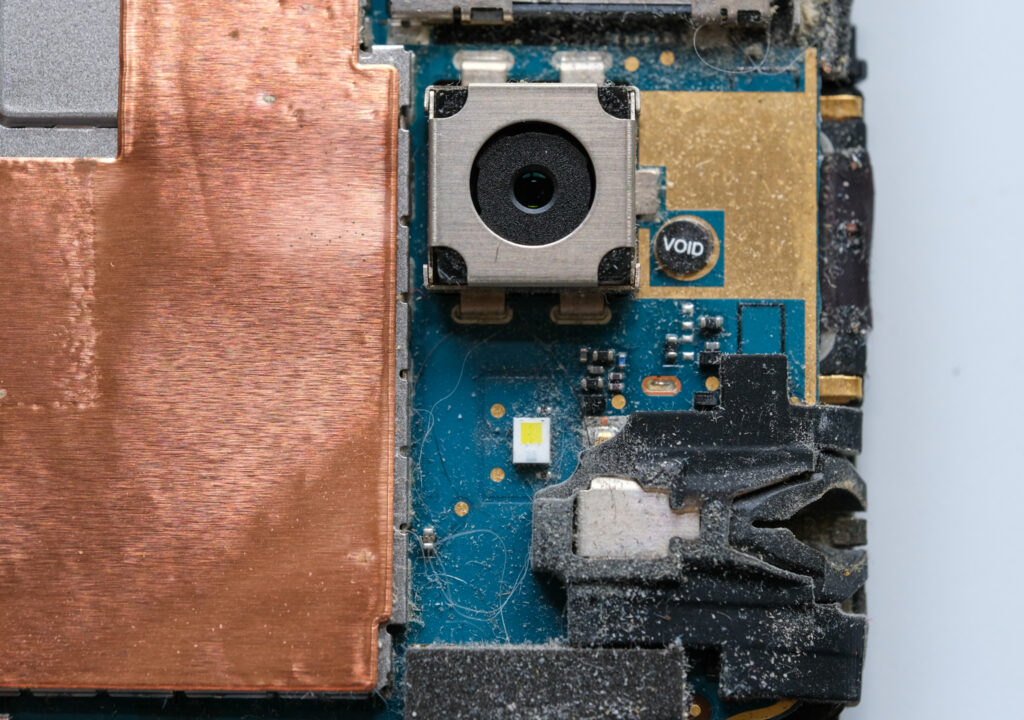
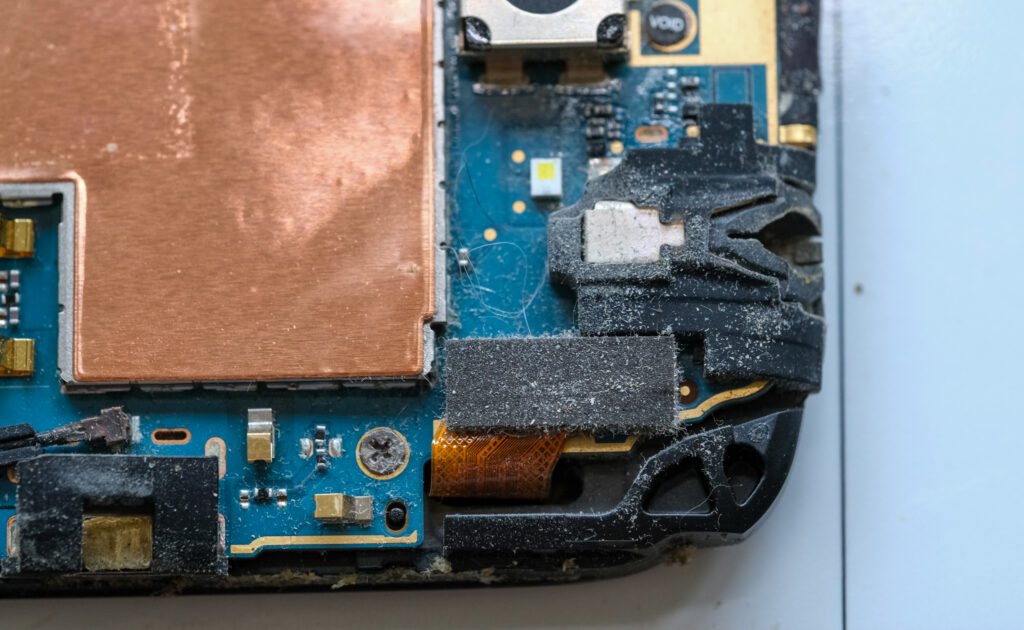
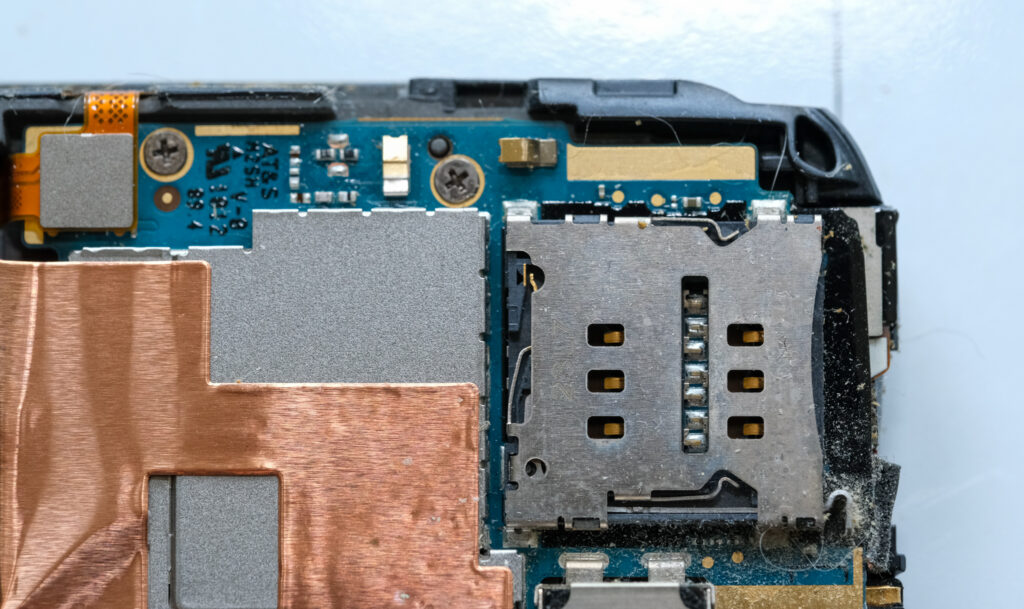
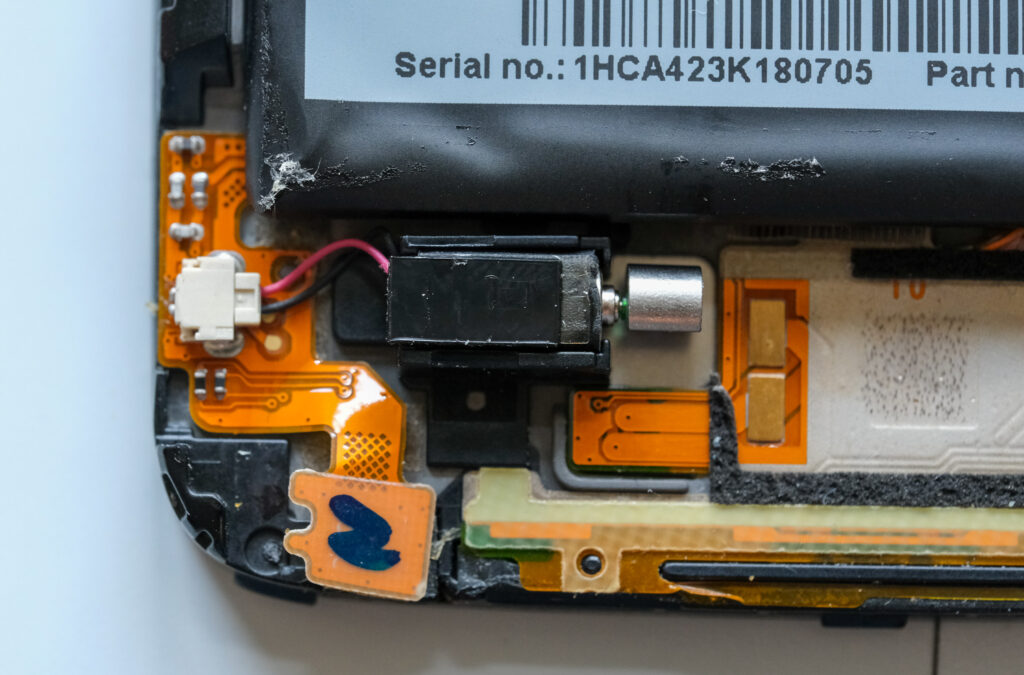
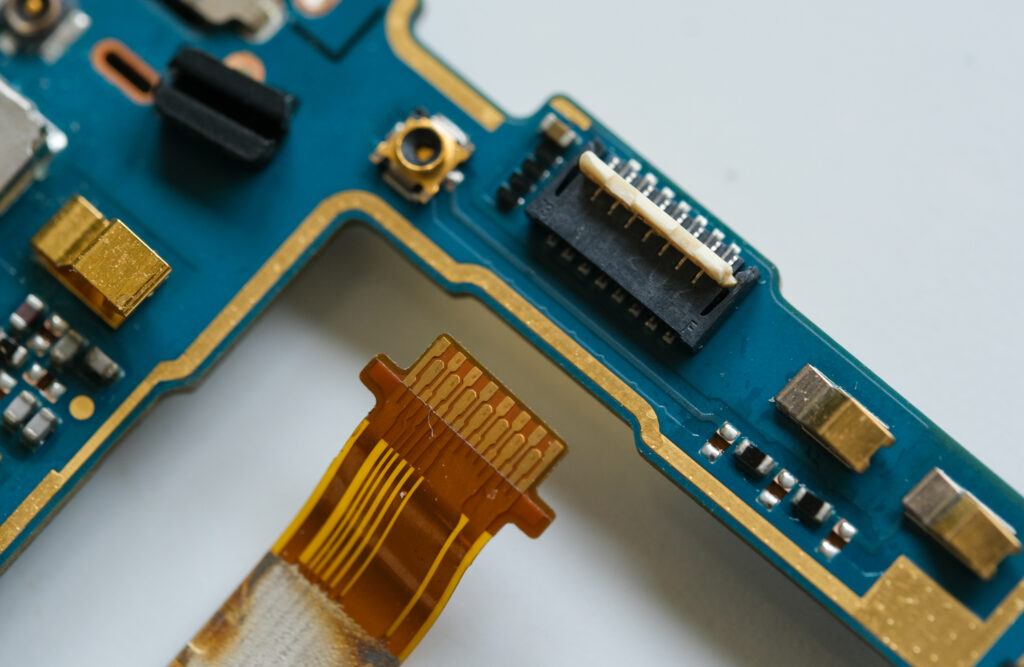
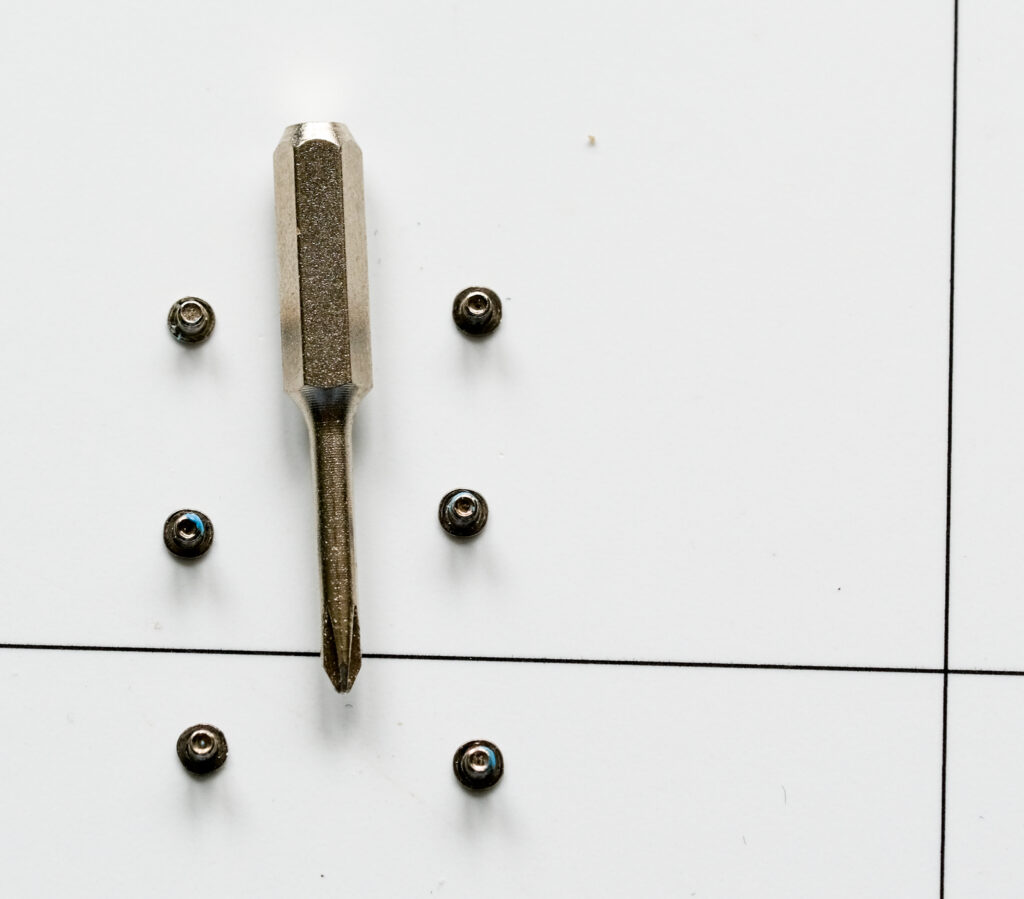
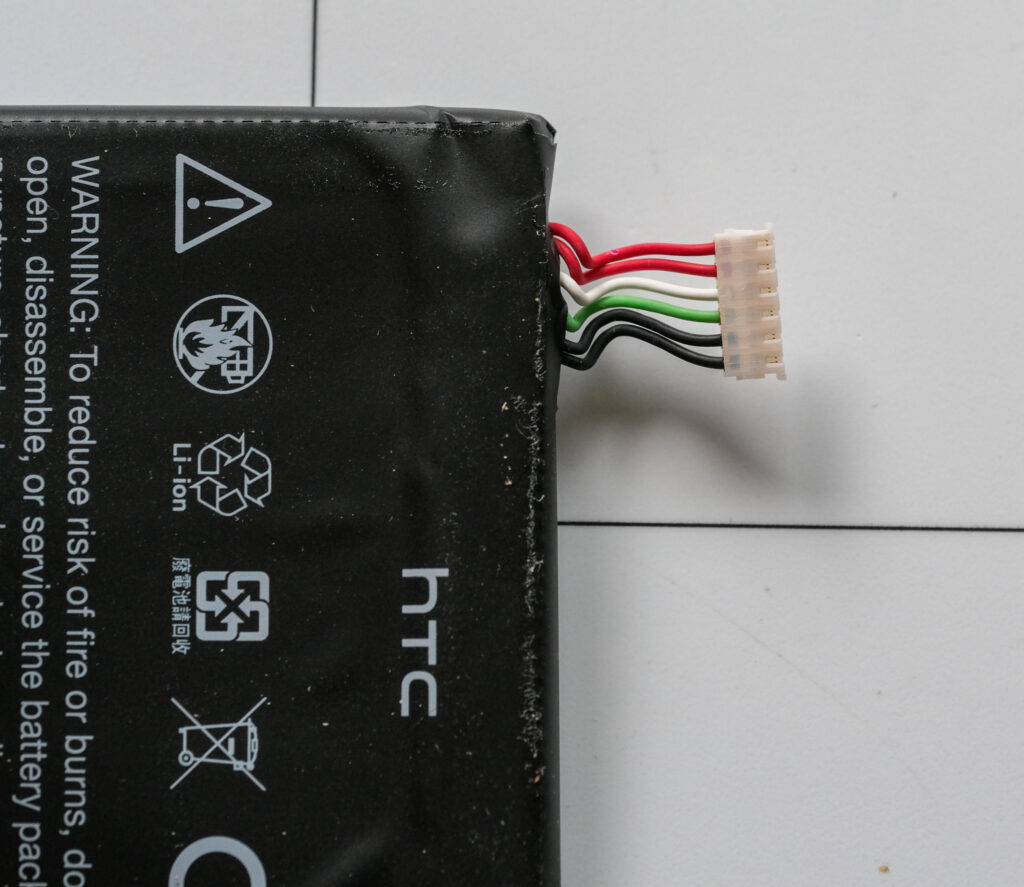
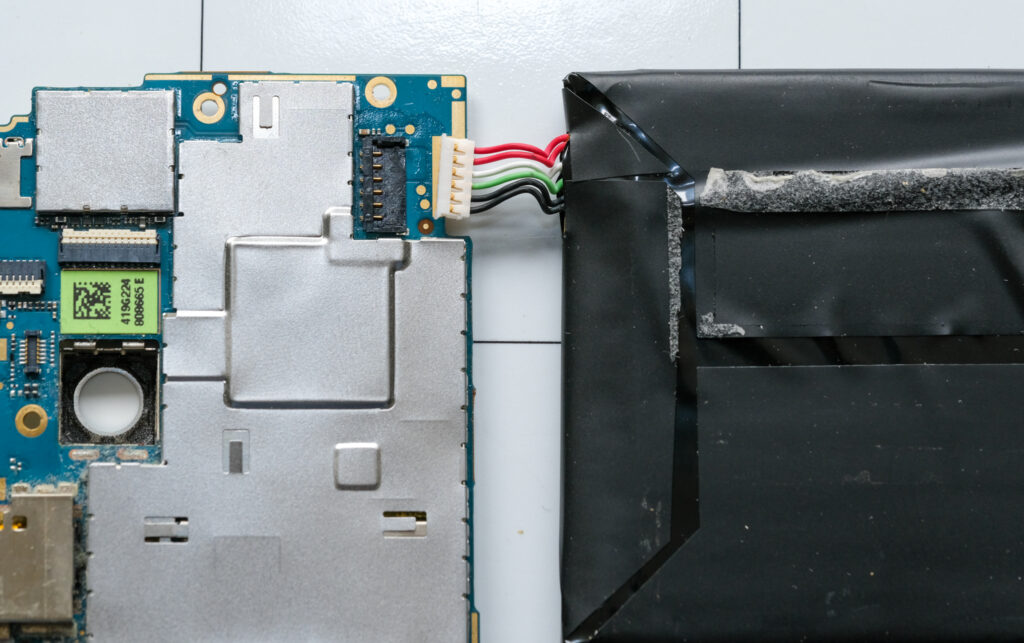
The motherboard is held in place with six Phillips screws. Almost all the flex connectors are covered with anti-static tape, and the battery connector is sealed with an insulating compound — something I don’t see in modern smartphones, at least not often. Another difference: on iPhones, flex cables are pressed directly into the connector, but here on the One X, you lift a little white latch, slide the cable in, and then press the latch down to lock it.
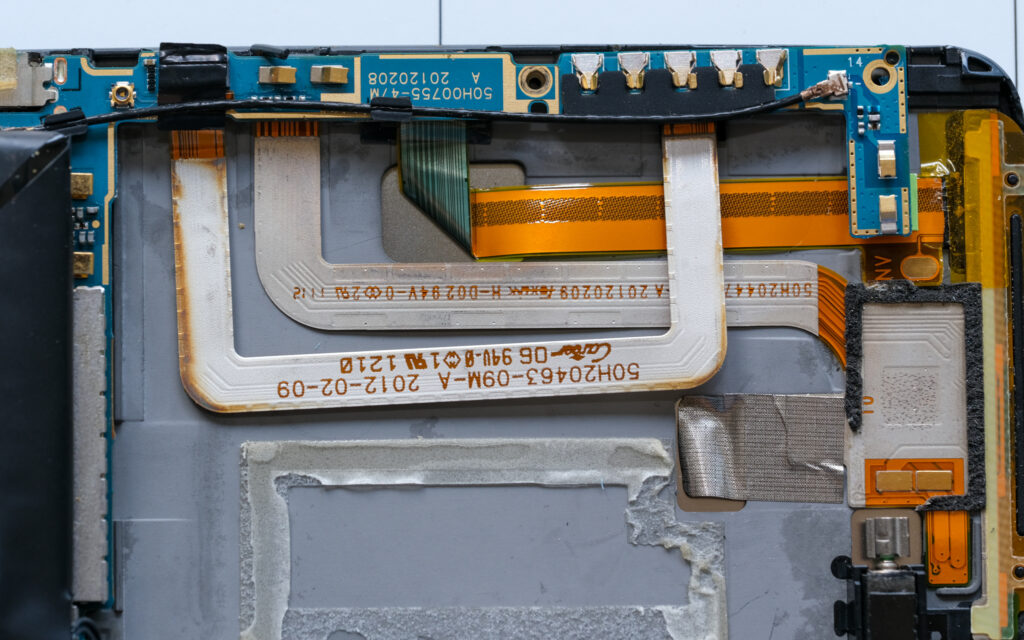
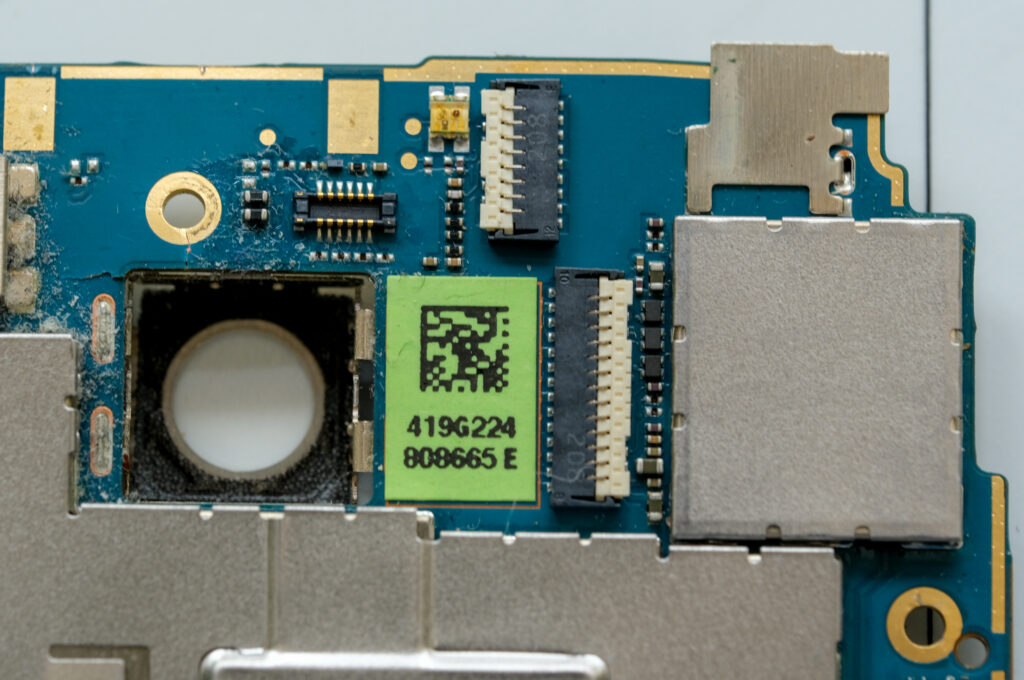
The battery uses a similar system. Instead of the simple press-in connector found on iPhones, the One X battery relies on a slide-in/slide-out connection. On this HTC One X, the only familiar press-in connectors were reserved for the LCD, the side power flex cable, and the power button flex cable.
One more note about the battery: it was glued to the board pretty firmly. I had to work at it with a guitar pick and a plastic spudger to pry it loose. Thankfully, before starting this teardown, I borrowed my wife’s blower to soften the adhesive beneath the screen. It helped — but even so, removing the battery was anything but easy.
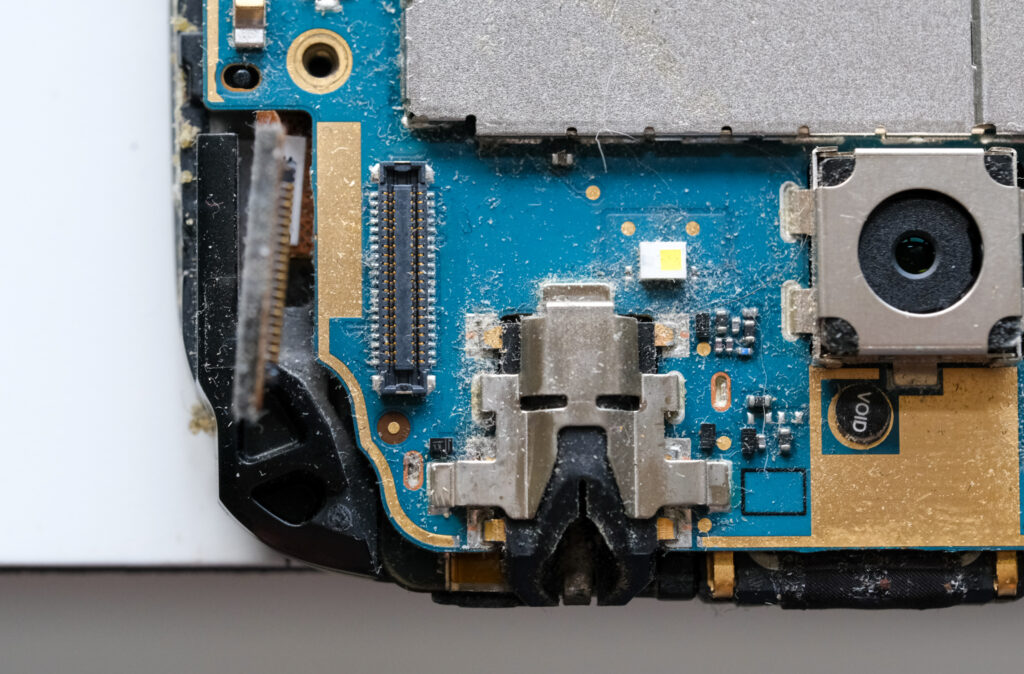
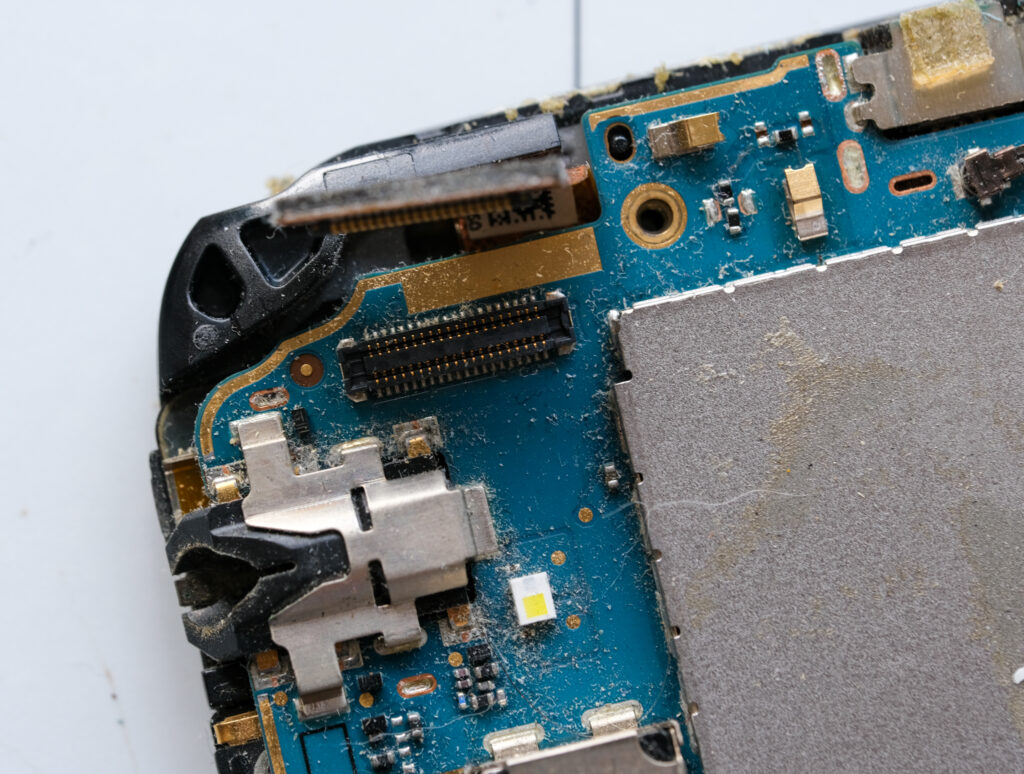
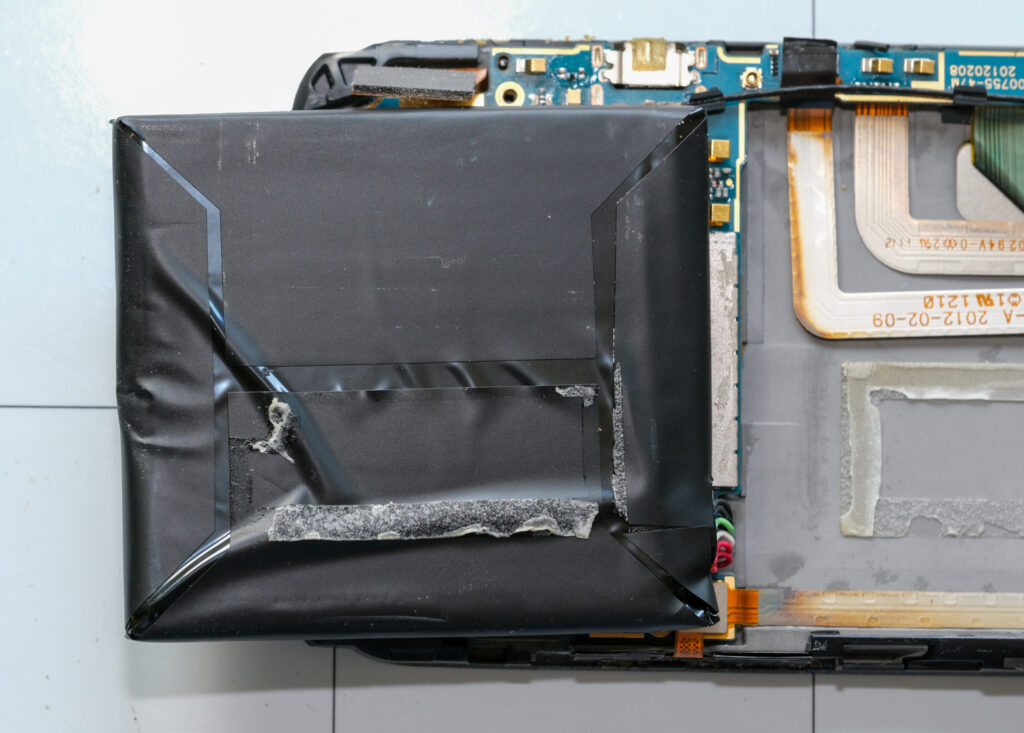
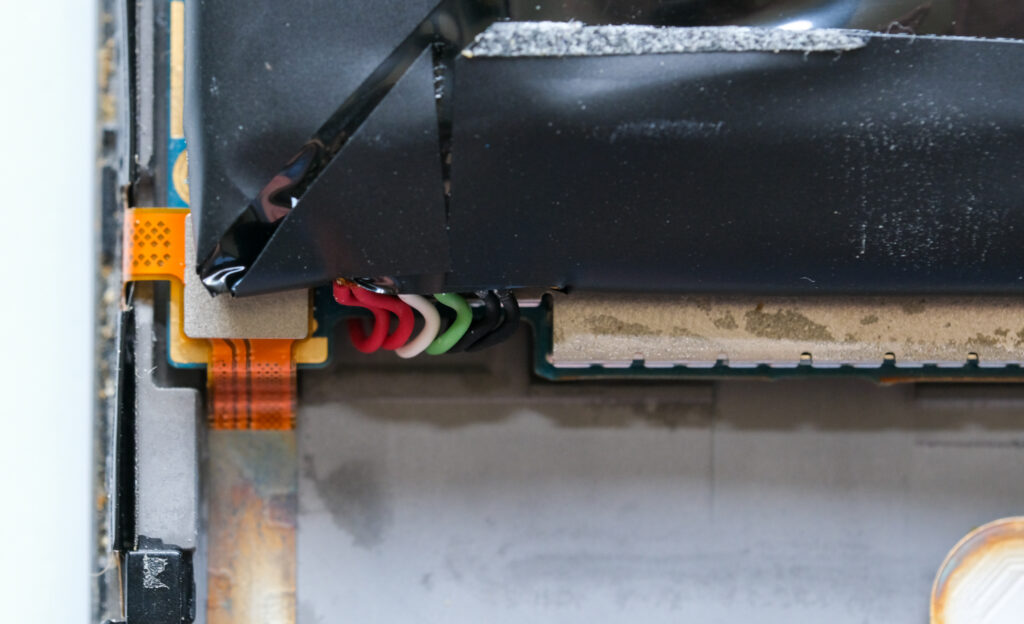
Removing the rear camera and vibration motor was straightforward: disconnect their cables and lift the components out. That’s pretty much it. One small detail, though — in one of the photos, you’ll notice a sticker labeled “void.” Hidden beneath it was a screw. At first, I didn’t think to check whether it was just a sticker or something more. Only when the motherboard refused to budge did I take a closer look. Sure enough, the missing screw was hiding under that “void.”
Earlier, I mentioned how I nearly pulled off the LCD and snapped two cables in the process. Want to see those cables — along with the reverse side of the LCD? I’ve always been fascinated by the little markings on components. Some are expected, like printed serial numbers or QR codes. But every now and then, you come across something different — hand-drawn numbers or symbols made with a marker. Who knows, maybe those Sharpie markings were left by the very person who assembled this phone all those years ago?
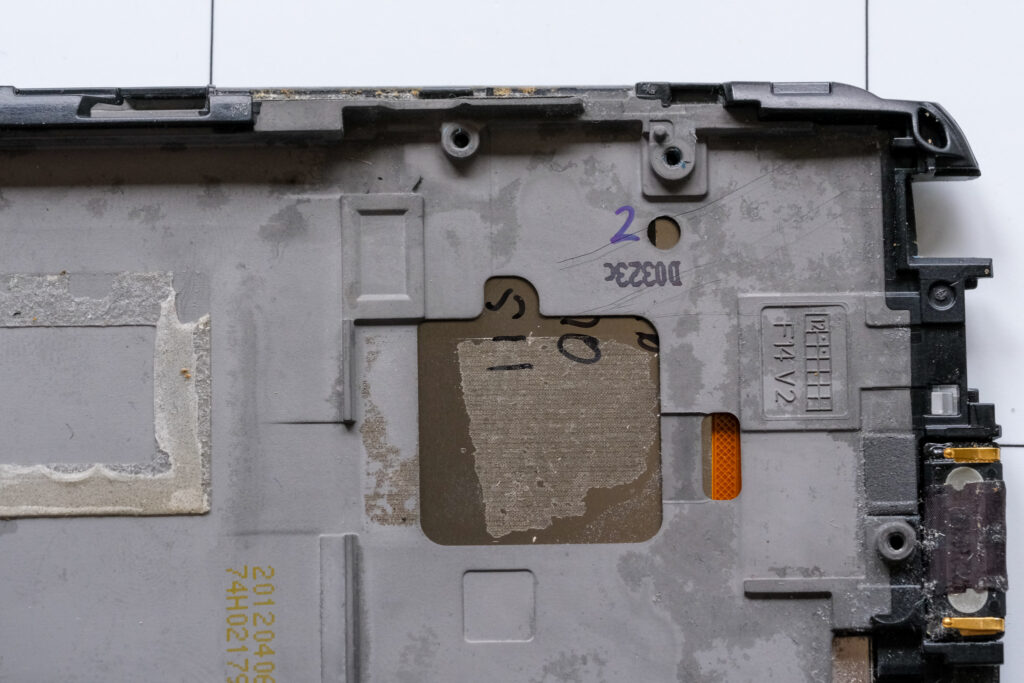
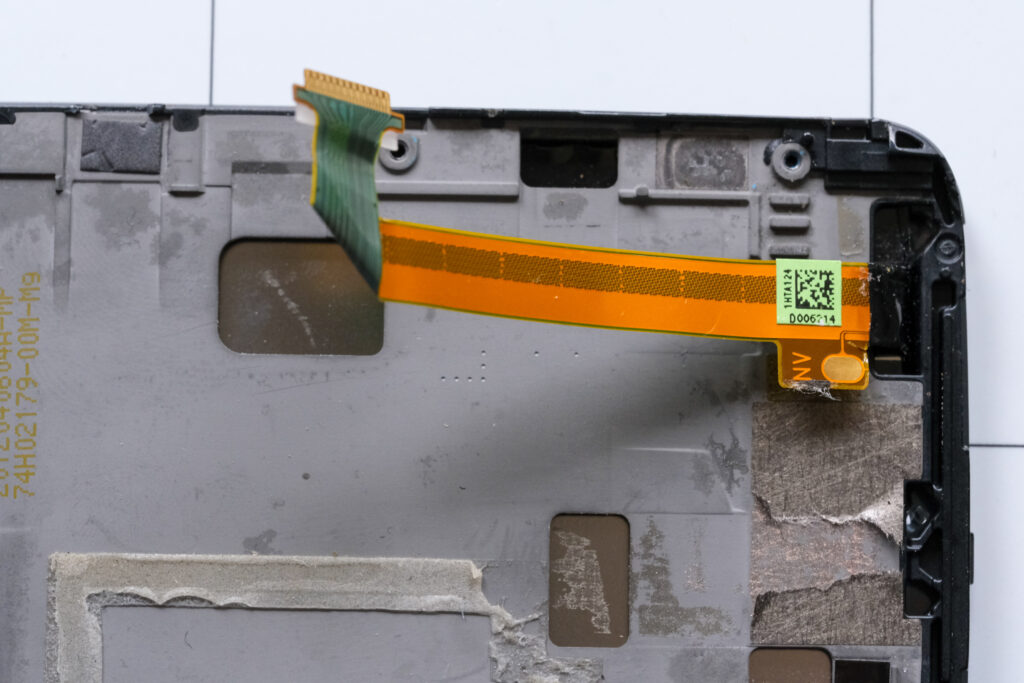
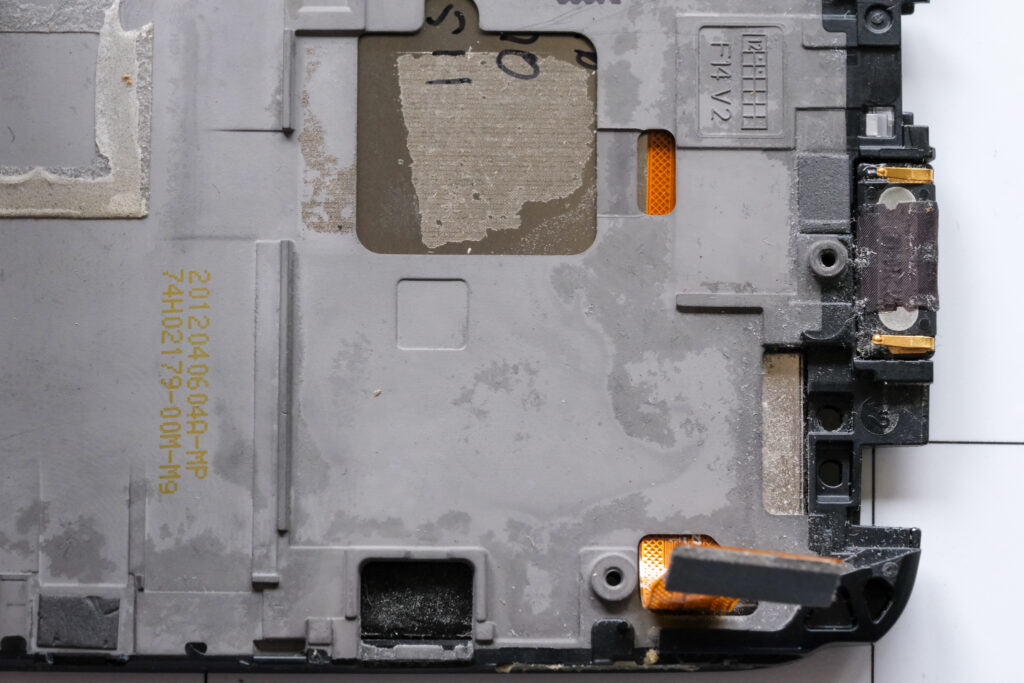
The HTC One X features a polycarbonate unibody. For those unfamiliar, that’s the solid white shell surrounding and supporting the LCD. We’ve already seen what it looks like on the outside, so now let’s take a closer look inside. Apart from the buttons, there are no loose or screw-fastened parts here – everything on the unibody is glued in place. What you do find are dust, markings, and a few supporting components.
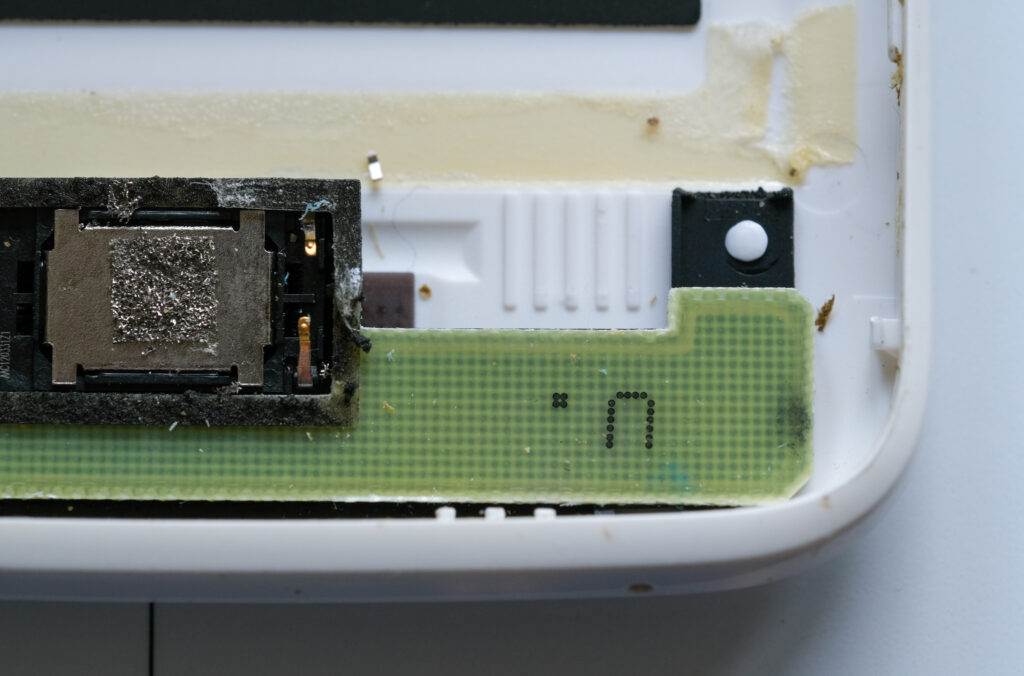
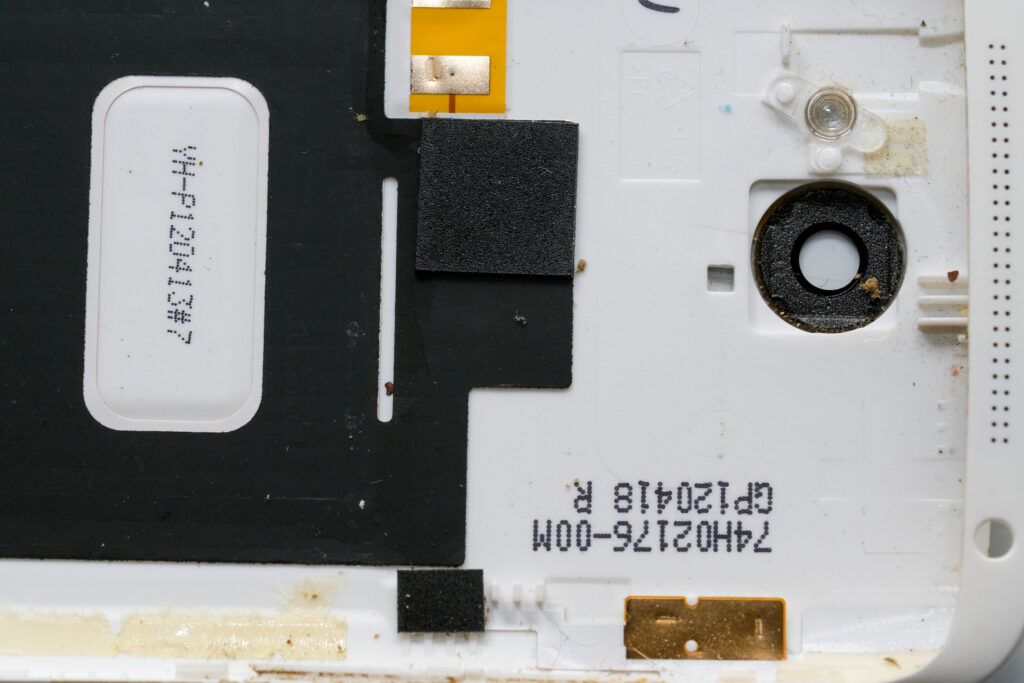
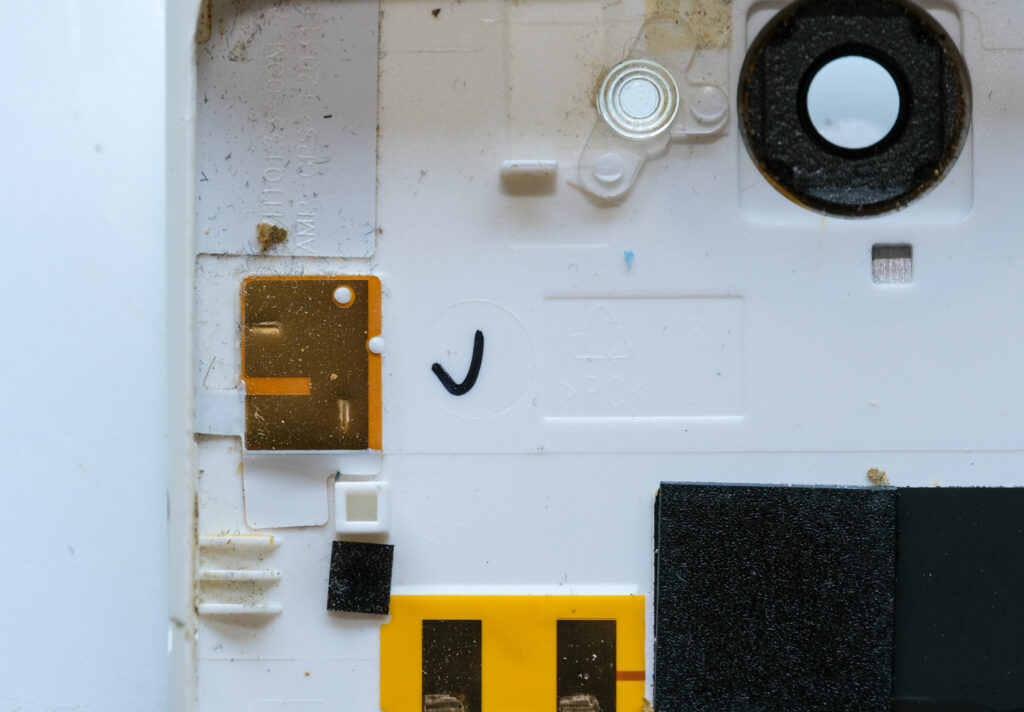
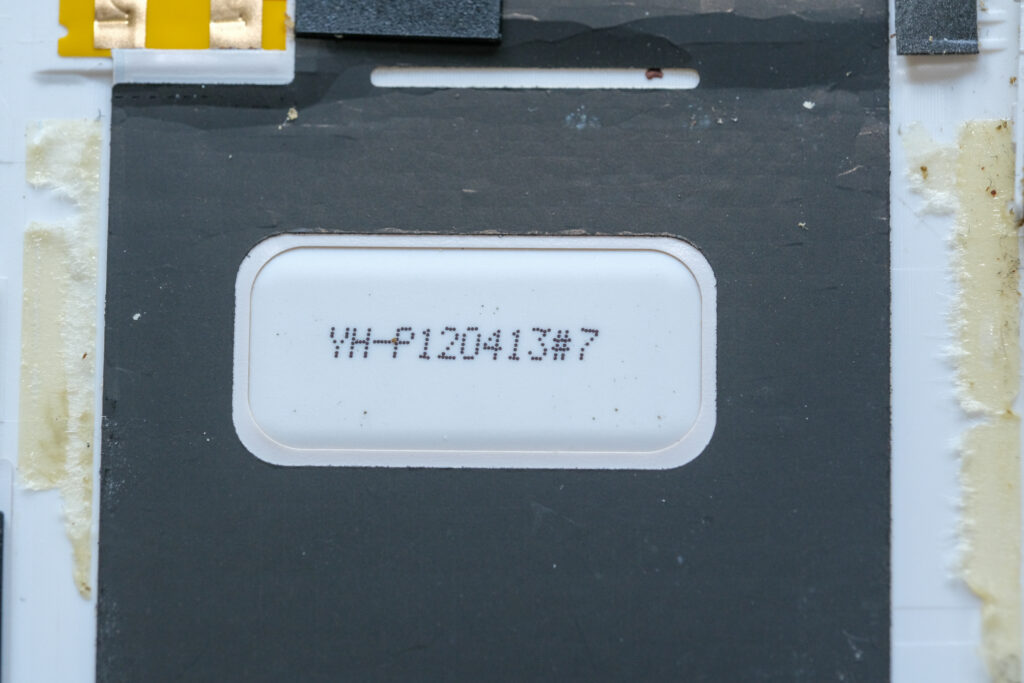
Whenever I finish a teardown, I like to photograph each internal component separately. If you’ve been following this blog, you’ve probably noticed that already. The HTC One X is no exception. Laid out under my beloved MACRO lens are the motherboard, vibration motor, front and rear cameras, antenna, power button flex cable, a handful of other flex cables, and a PCB assembly — every piece captured up close. The battery you already saw above.
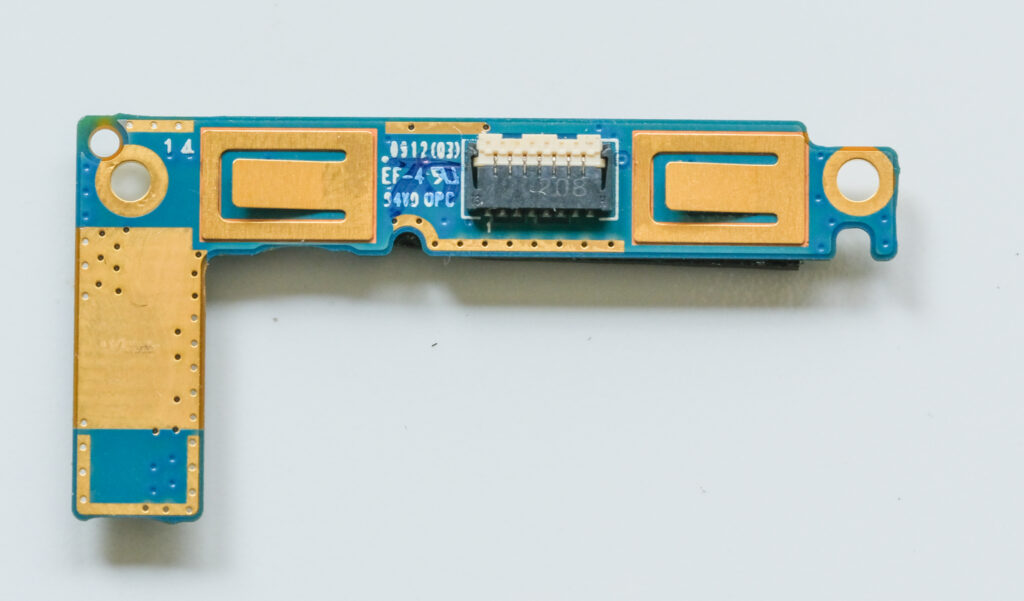
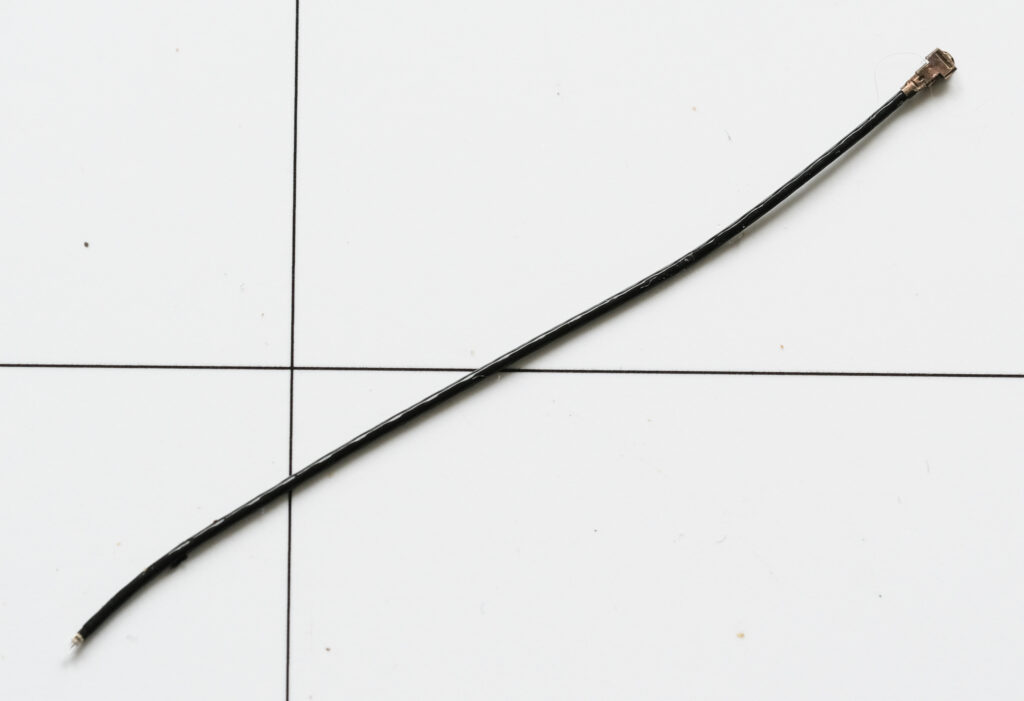
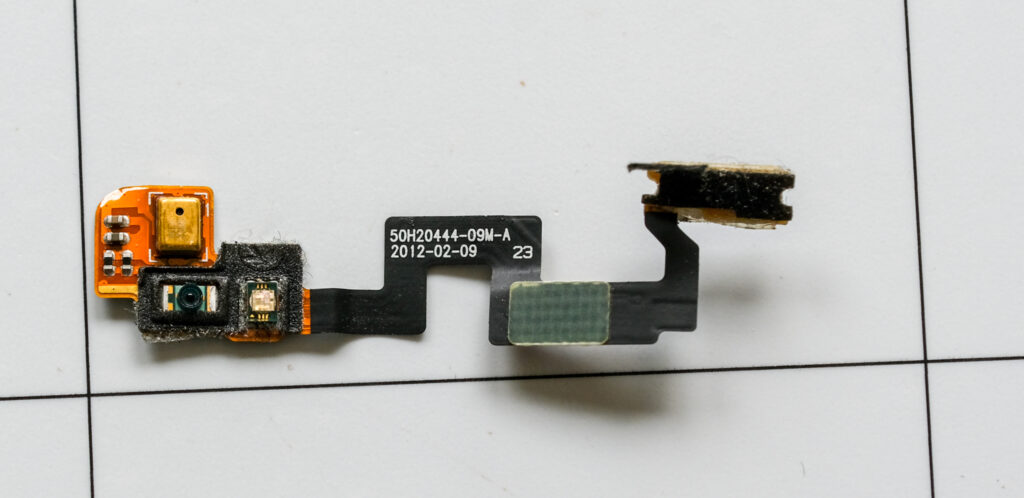
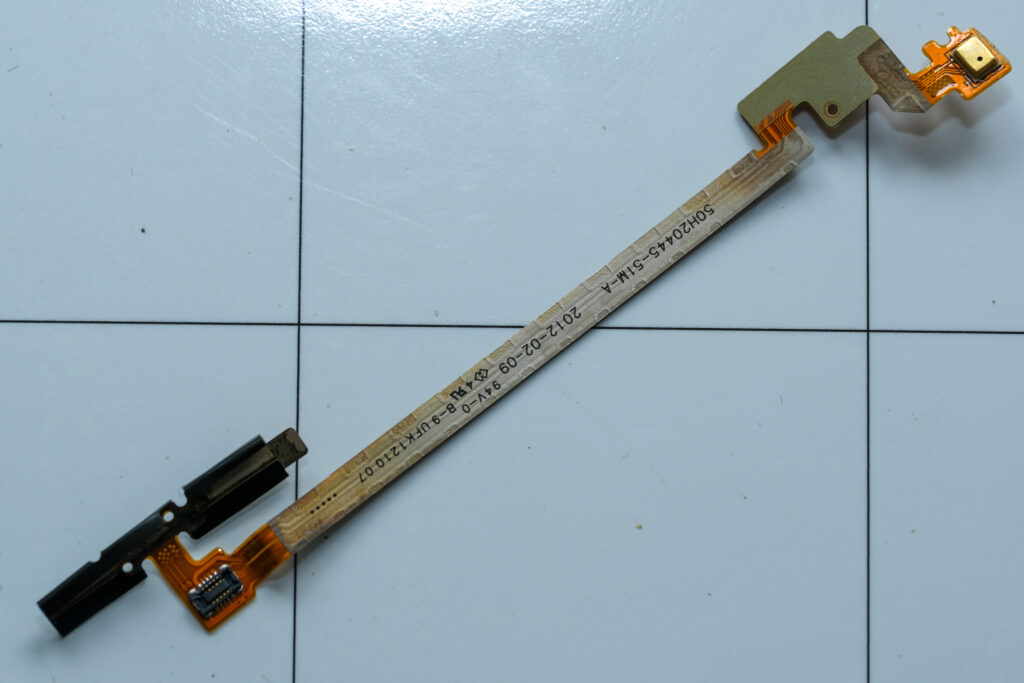
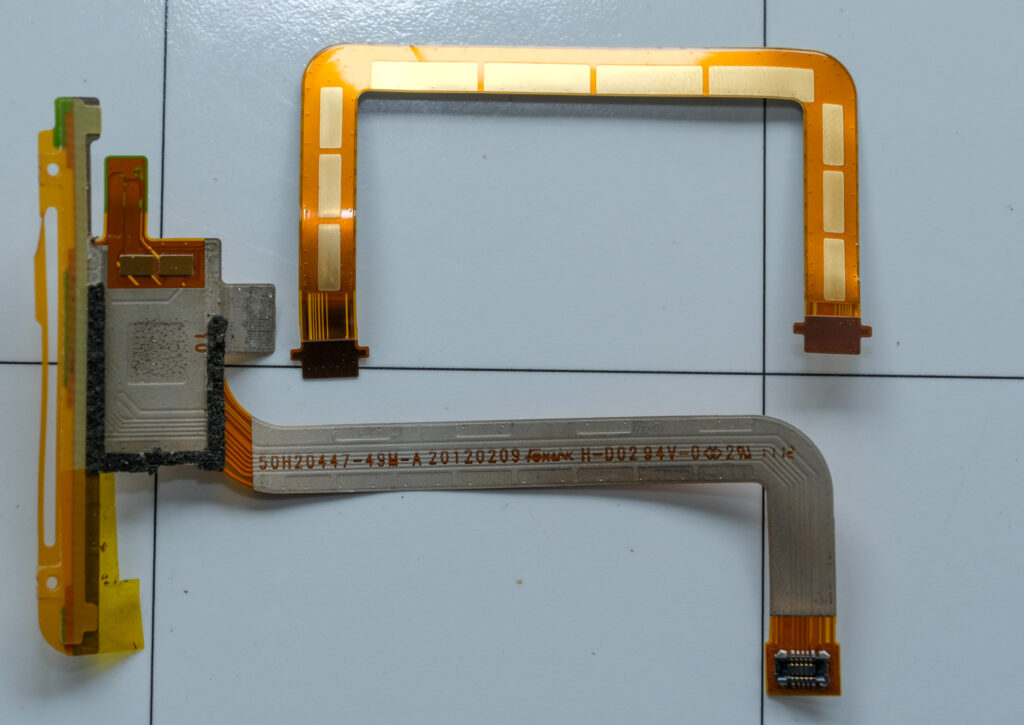
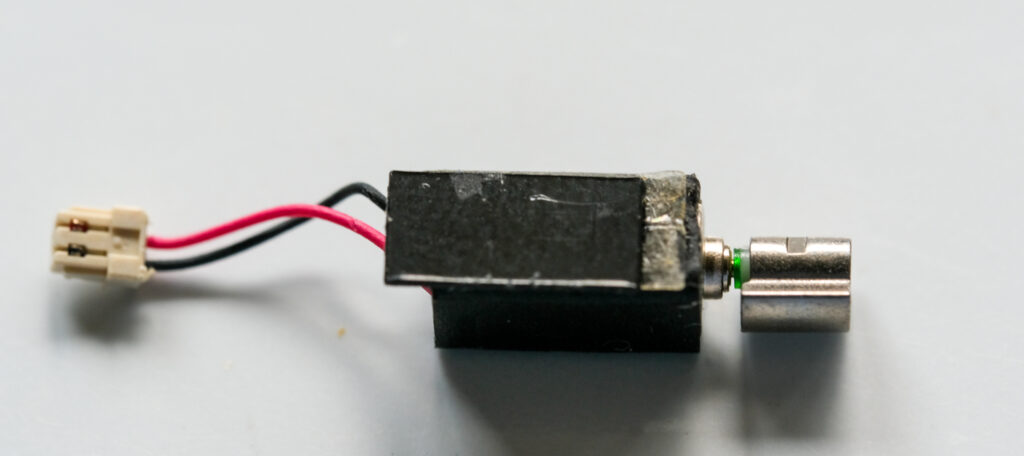
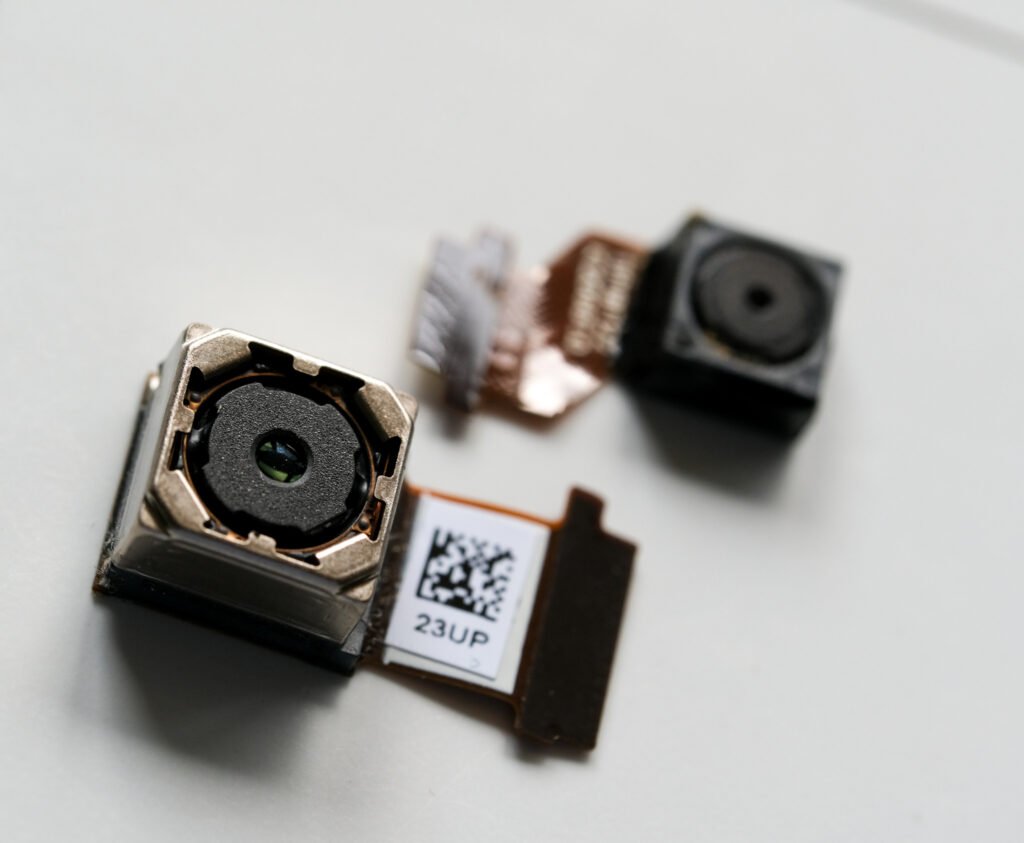
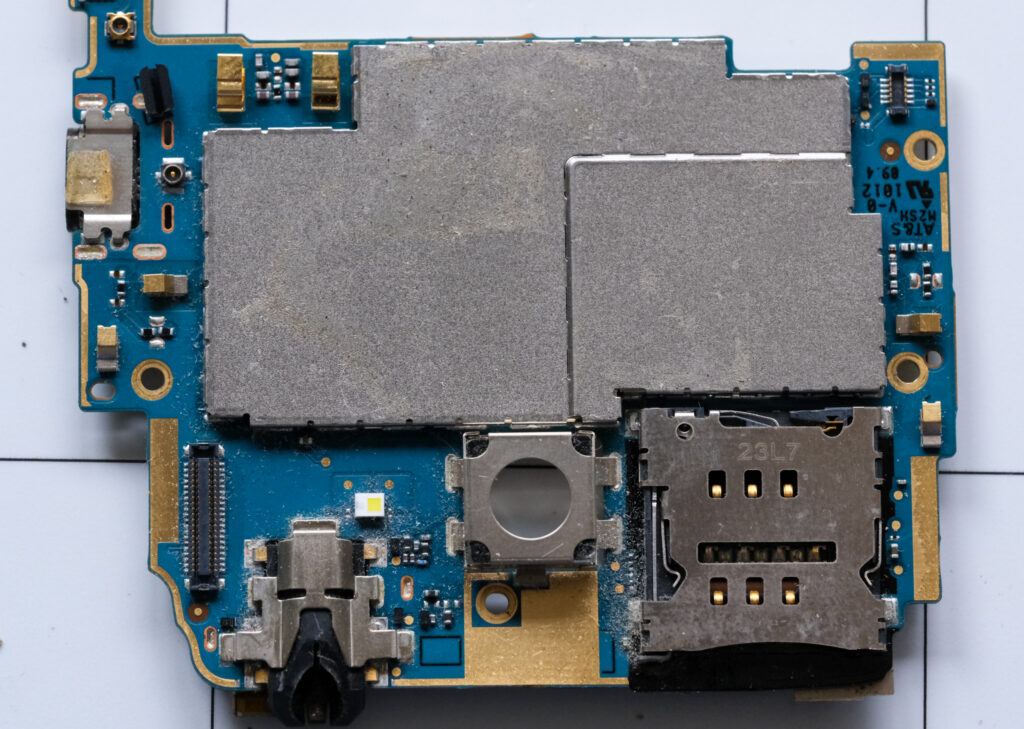
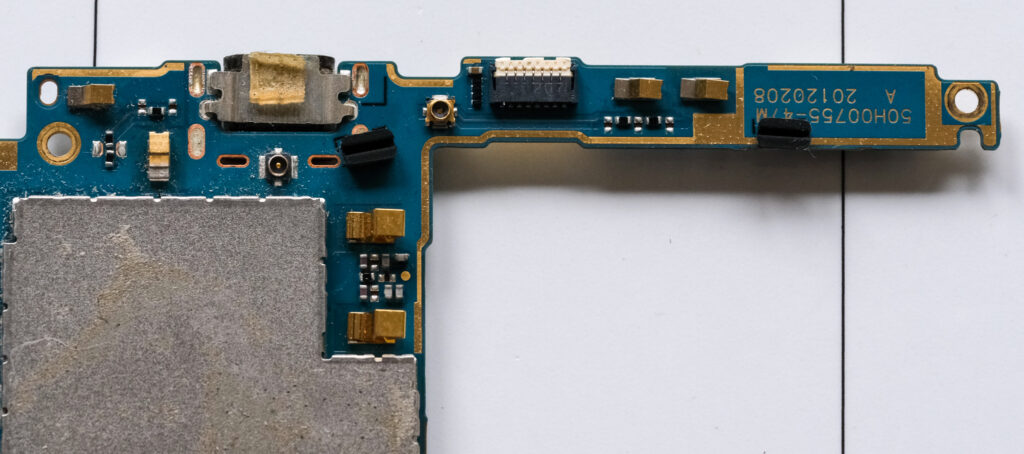
What do you think? Pretty fascinating, right? Ever since I started capturing electronics up close, I’ve gained a much deeper appreciation for the people who design, engineer, and assemble these devices. I wouldn’t go as far as to say that all electronics are captivating, but the smaller ones – smartphones, iPods – they really are something else. And if you remember, I also have an Apple Watch. Fortunately, it’s still working just fine, but when its time eventually comes, that might become the smallest electronic device I’ve ever disassembled under my MACRO lens. Definitely something to look forward to.
Kind regards,
Olaaf


