

Long story short – I tried and failed to service a vintage watch.
I disassembled not one, but two movements; bear with me for my reasons. Both were cleaned using the proper solutions. I photographed the disassembly of one and felt confident that I’d manage to reassemble it with relative ease. I even replaced the mainspring — a first in my watchmaking journey.
All in all, it didn’t produce the desired outcome. Instead of a steady heartbeat, I got a barely noticeable pulse. How did that happen? Let me explain.
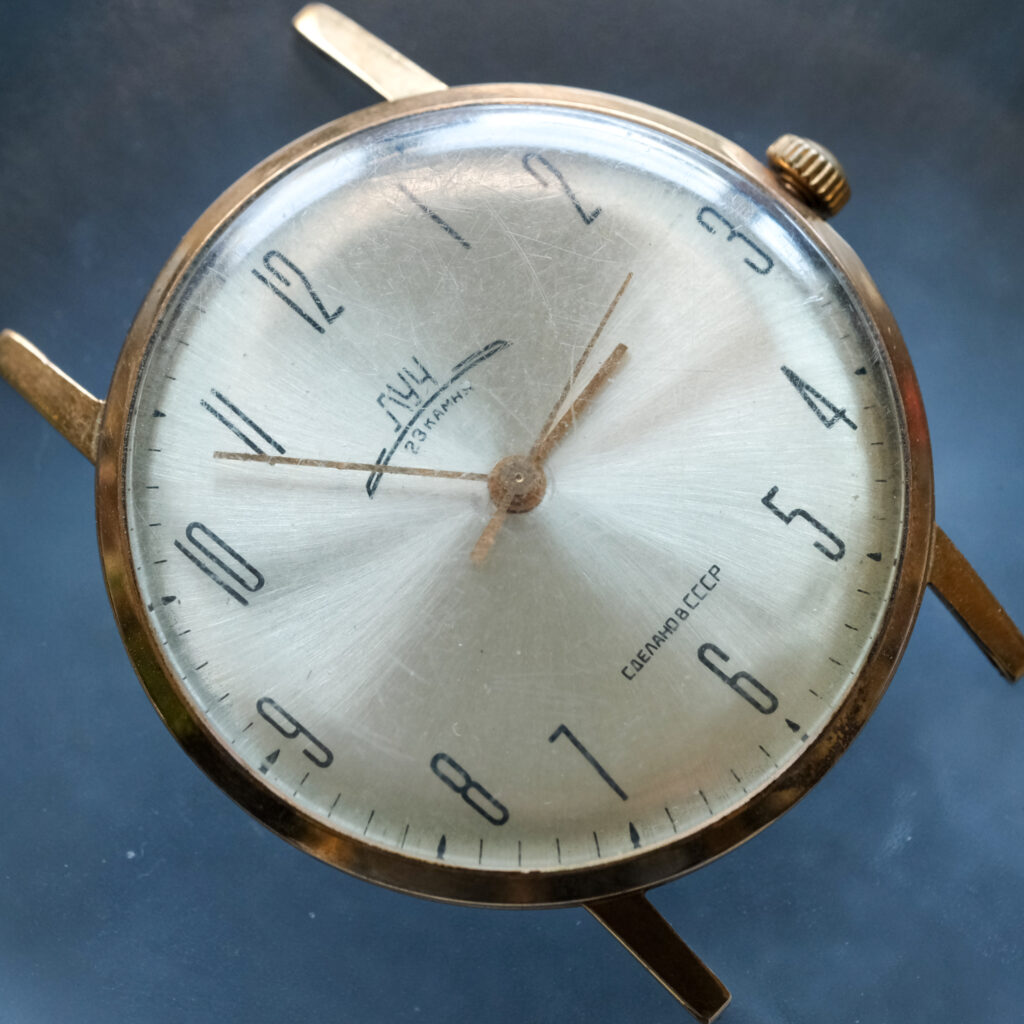
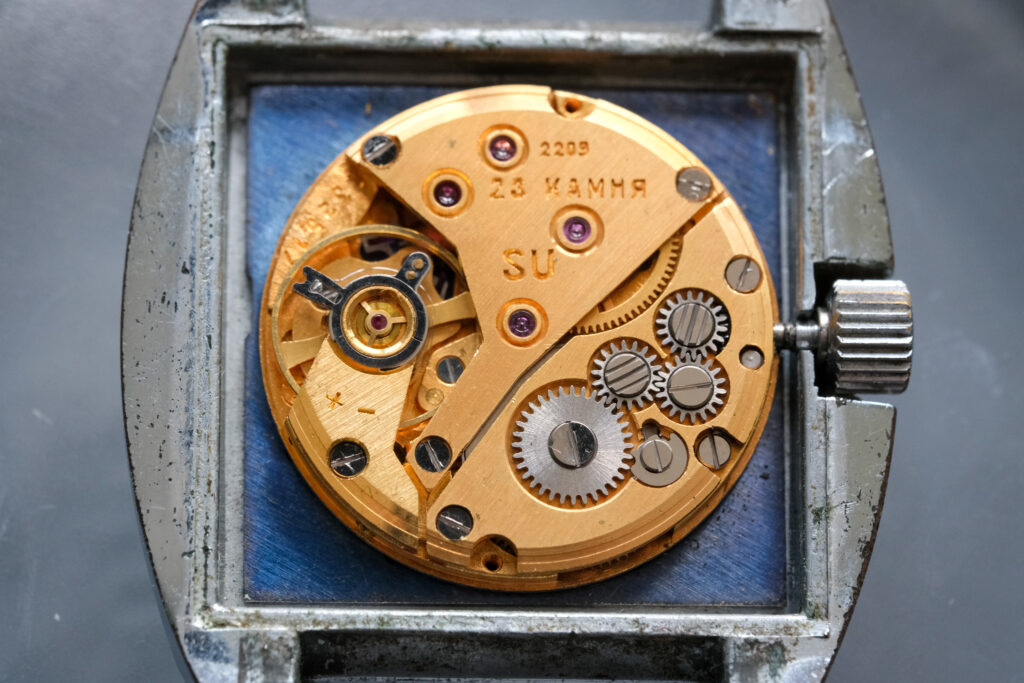
This is a Soviet-era watch from around 1961, manufactured by Luch in Belarus. The movement measures 22.6 mm in diameter, 3 mm in height, with a power reserve of roughly 41 hours. It beats at 18,000 vph and carries 23 jewels. It’s a manual-wind calibre showing hours, minutes, and seconds — simple enough, or so it seemed.
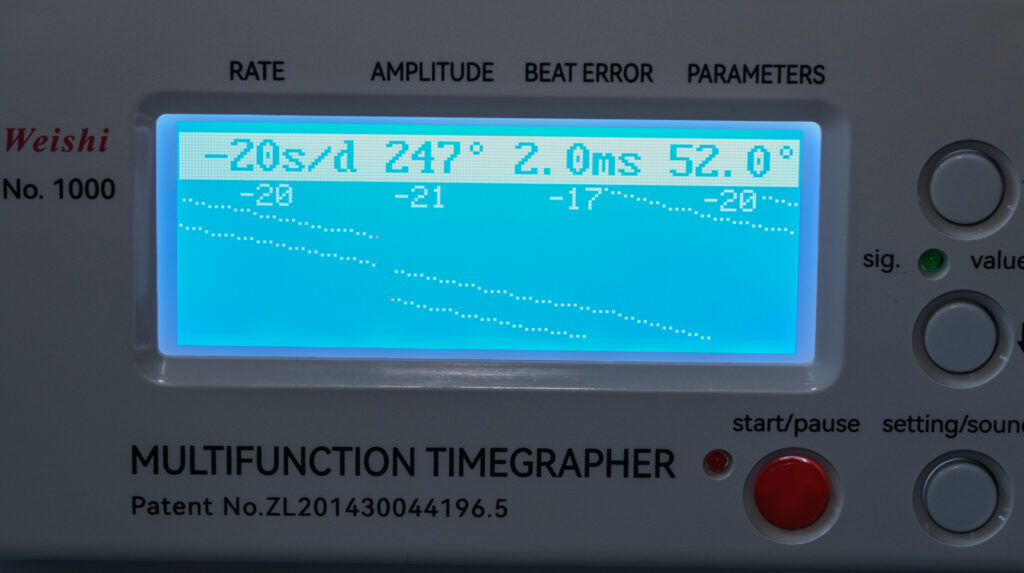
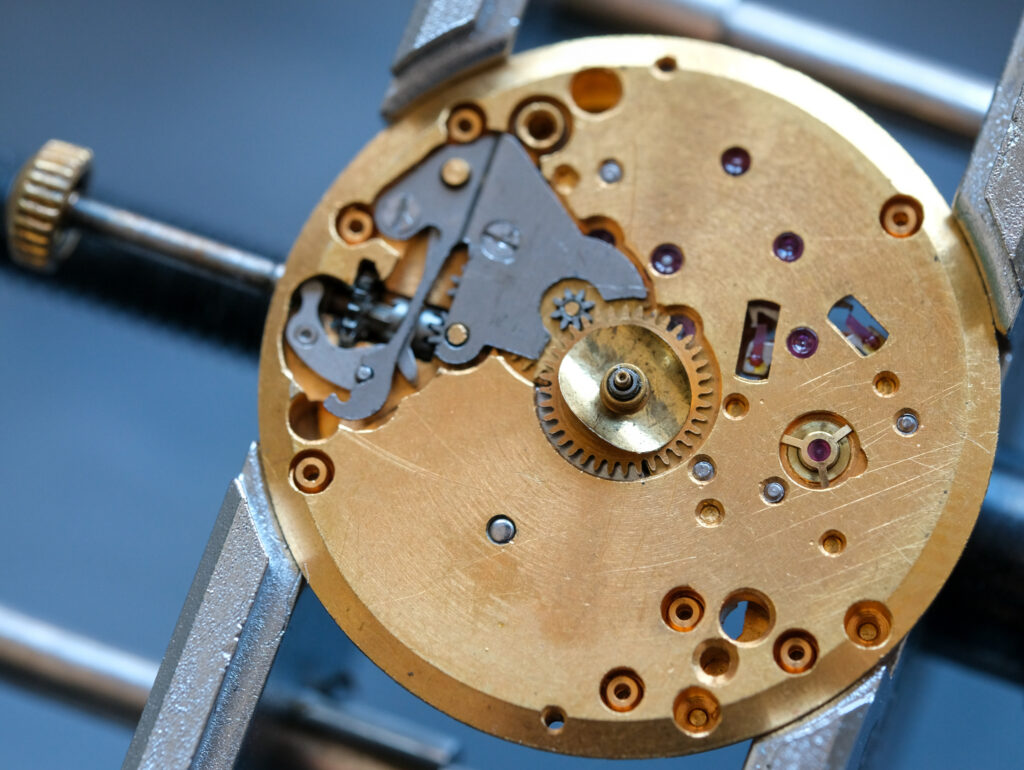
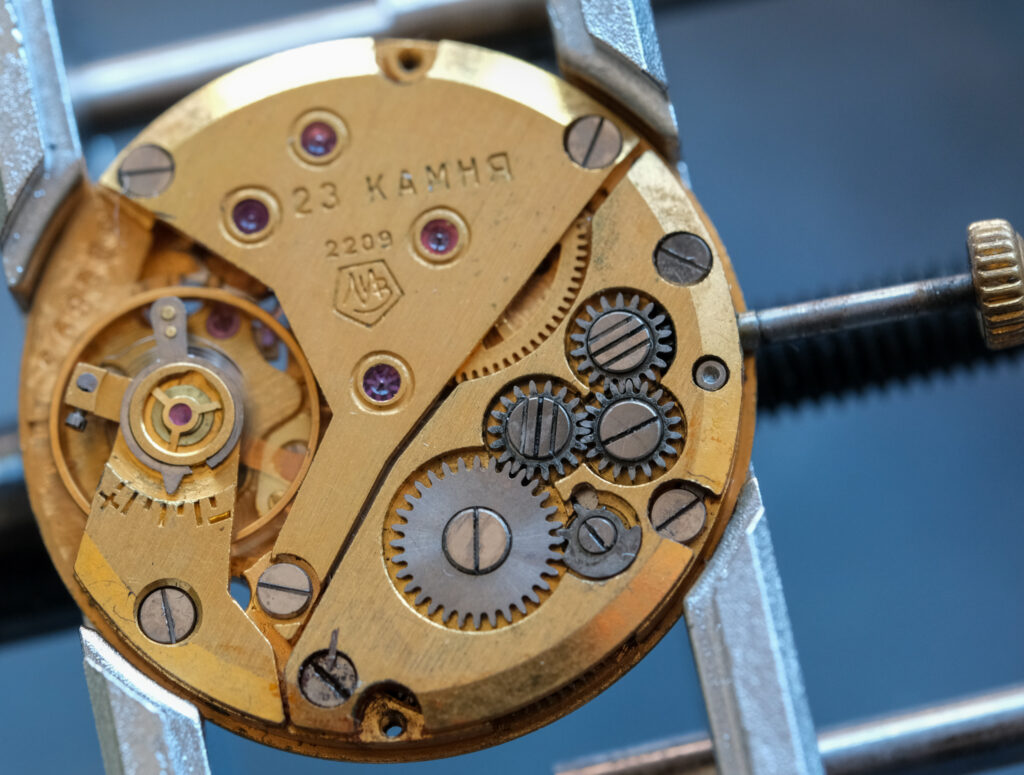
Before disassembly, the timegrapher reading showed a decent amplitude, a 2.0 ms beat error, and a daily loss of around 20 seconds. That suggested the movement simply needed a service — and probably a new mainspring, untouched since it was first coiled into the barrel.
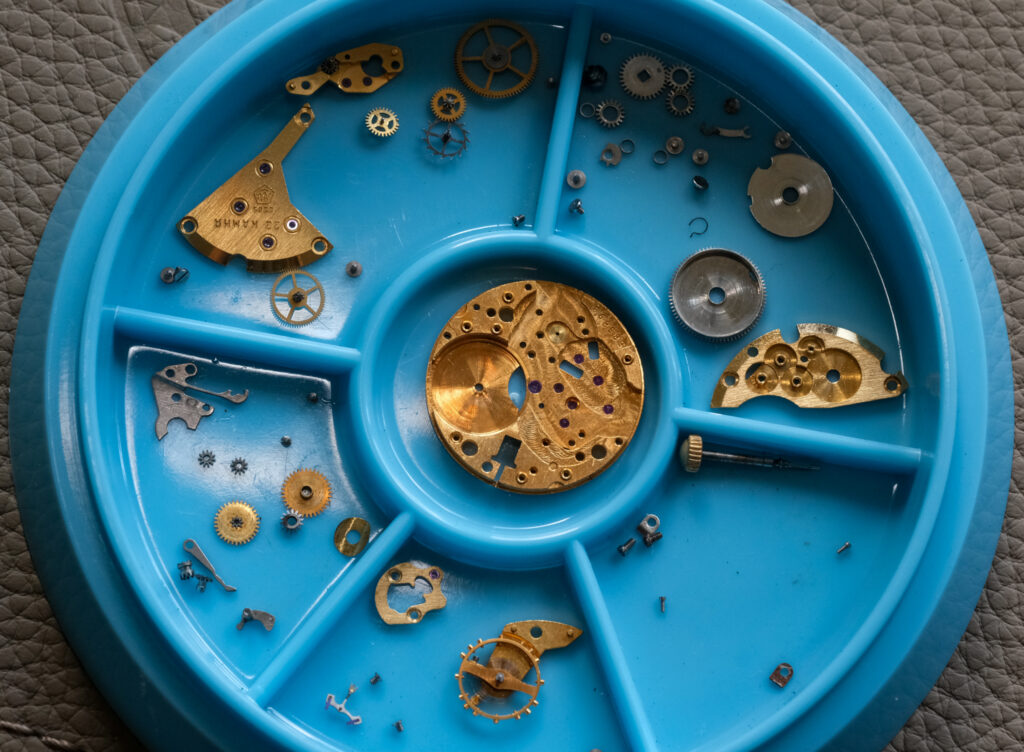
Disassembly was straightforward. I photographed each step after removing the three bridges: the barrel bridge, the gear train bridge, and the smaller bridge that transfers power from the barrel to the gear train. During teardown, I inspected each component for damage and found none.
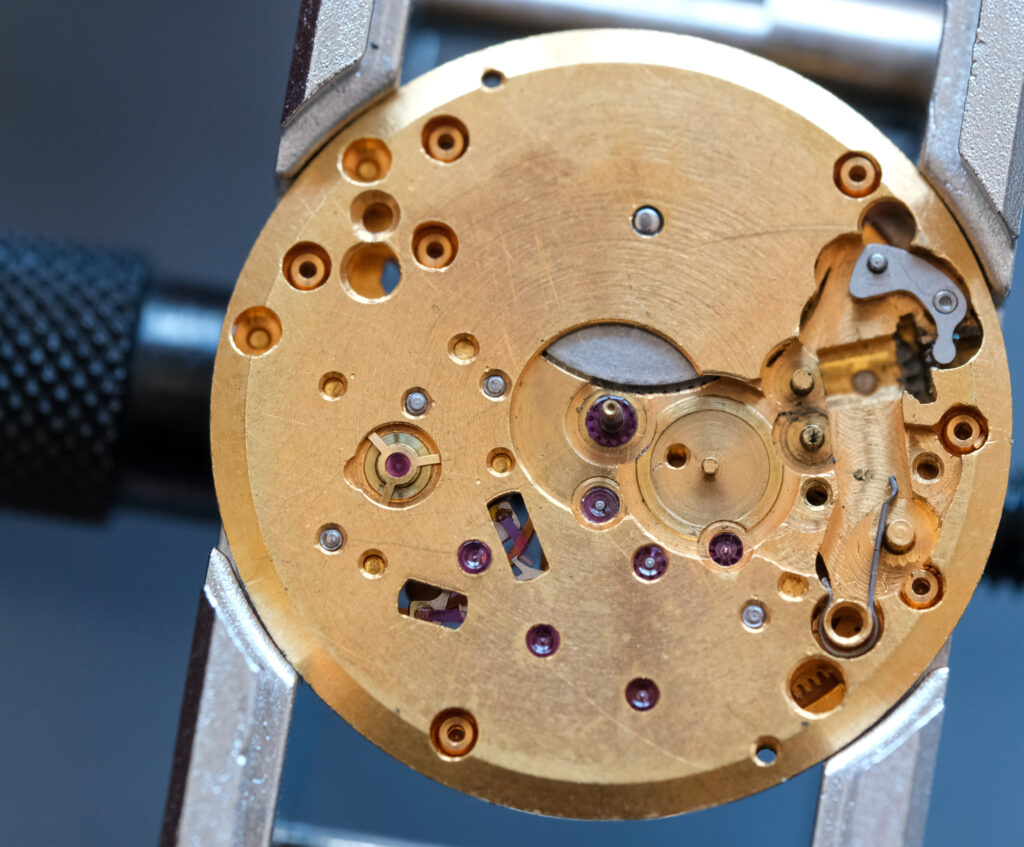
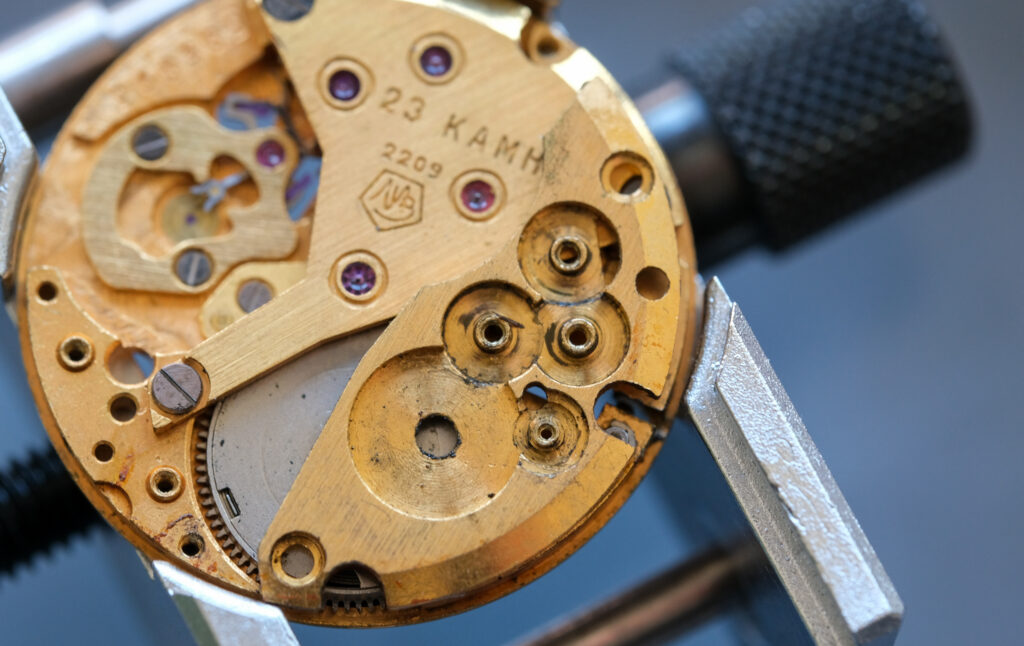
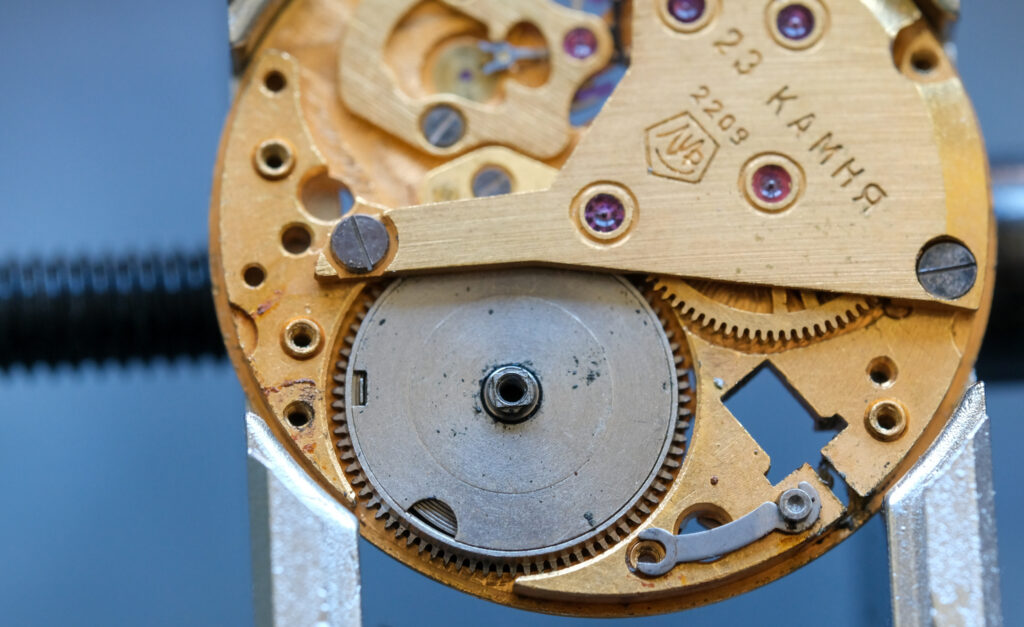
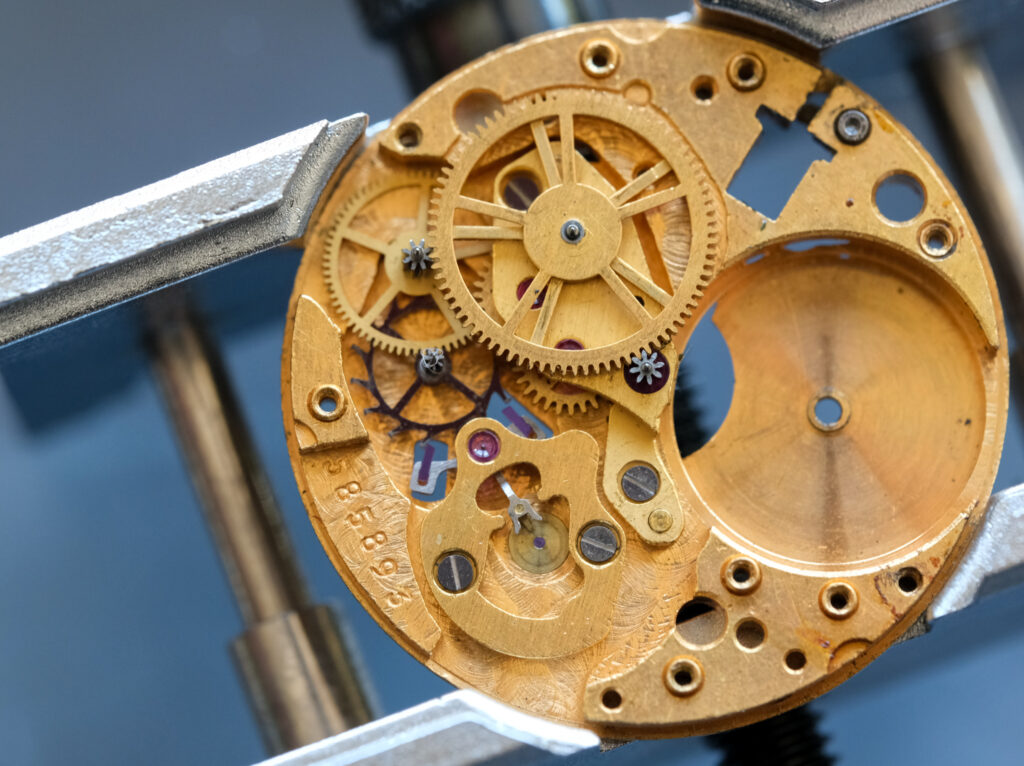
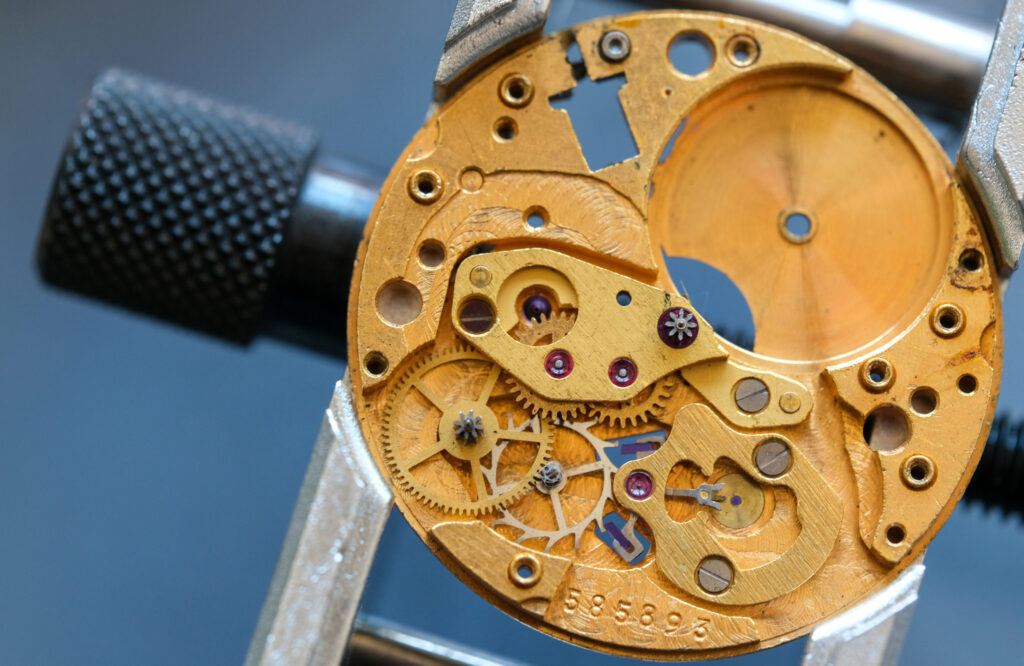
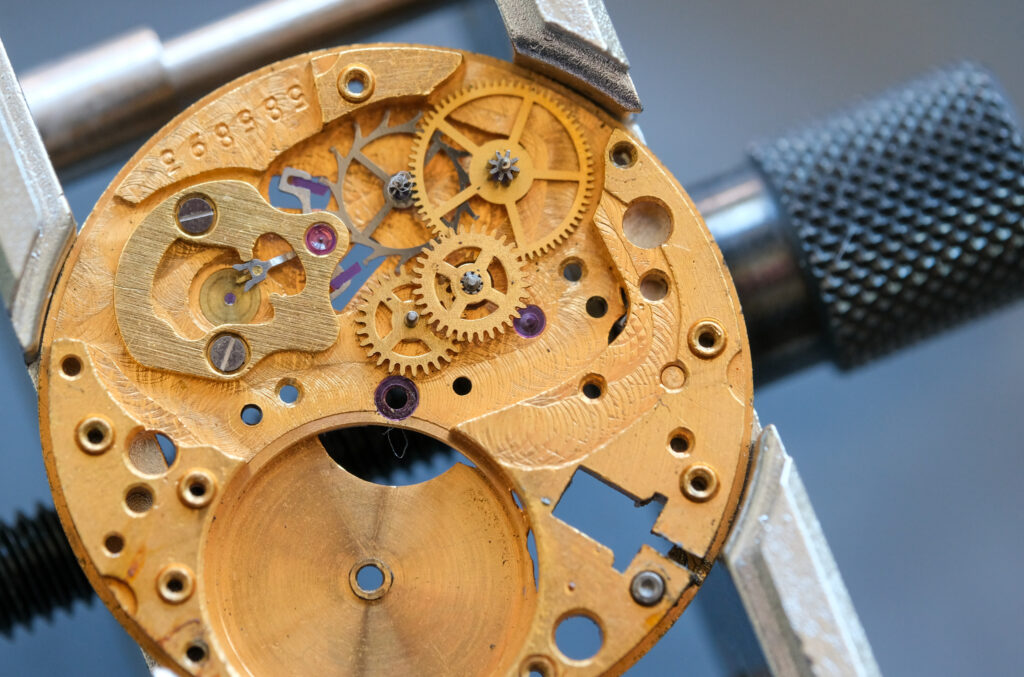
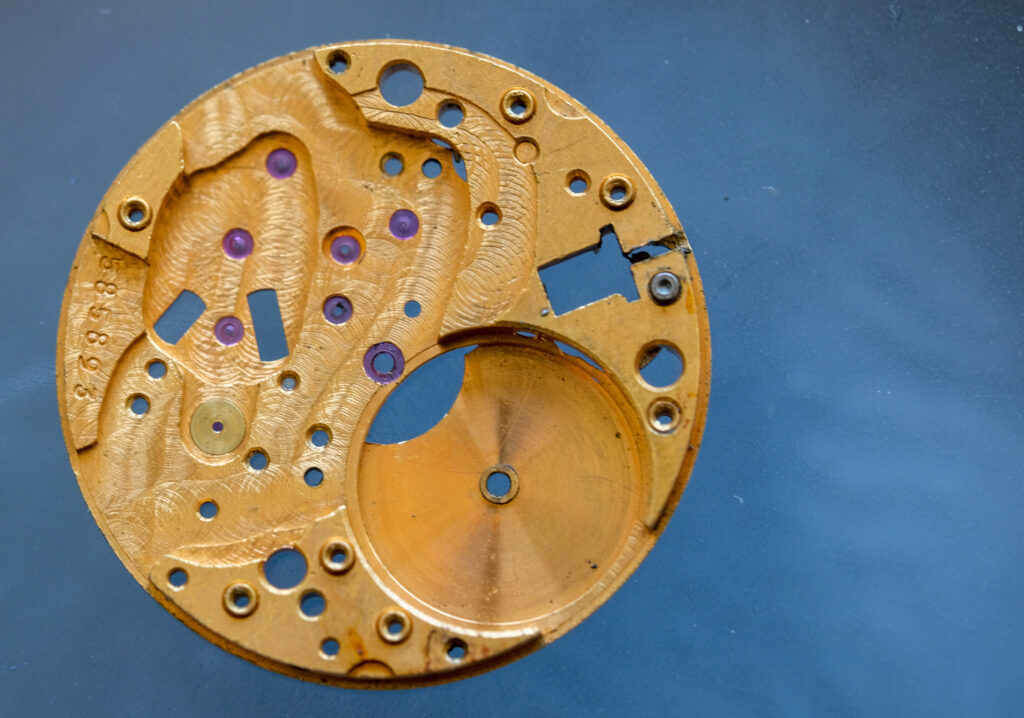
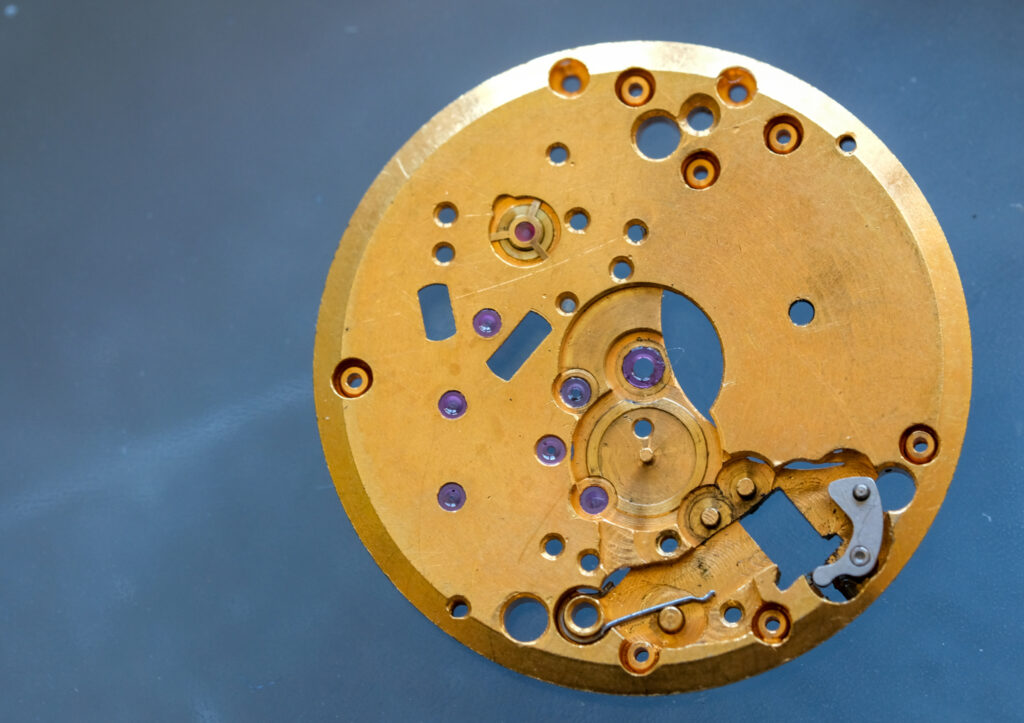
Without a cleaning machine, I relied on two glass trays, a wooden stick, and a brush. I carefully cleaned each part — from the mainplate to the smallest screw. The photos above show just how dirty the movement was before cleaning; I hope you can see the difference afterwards.
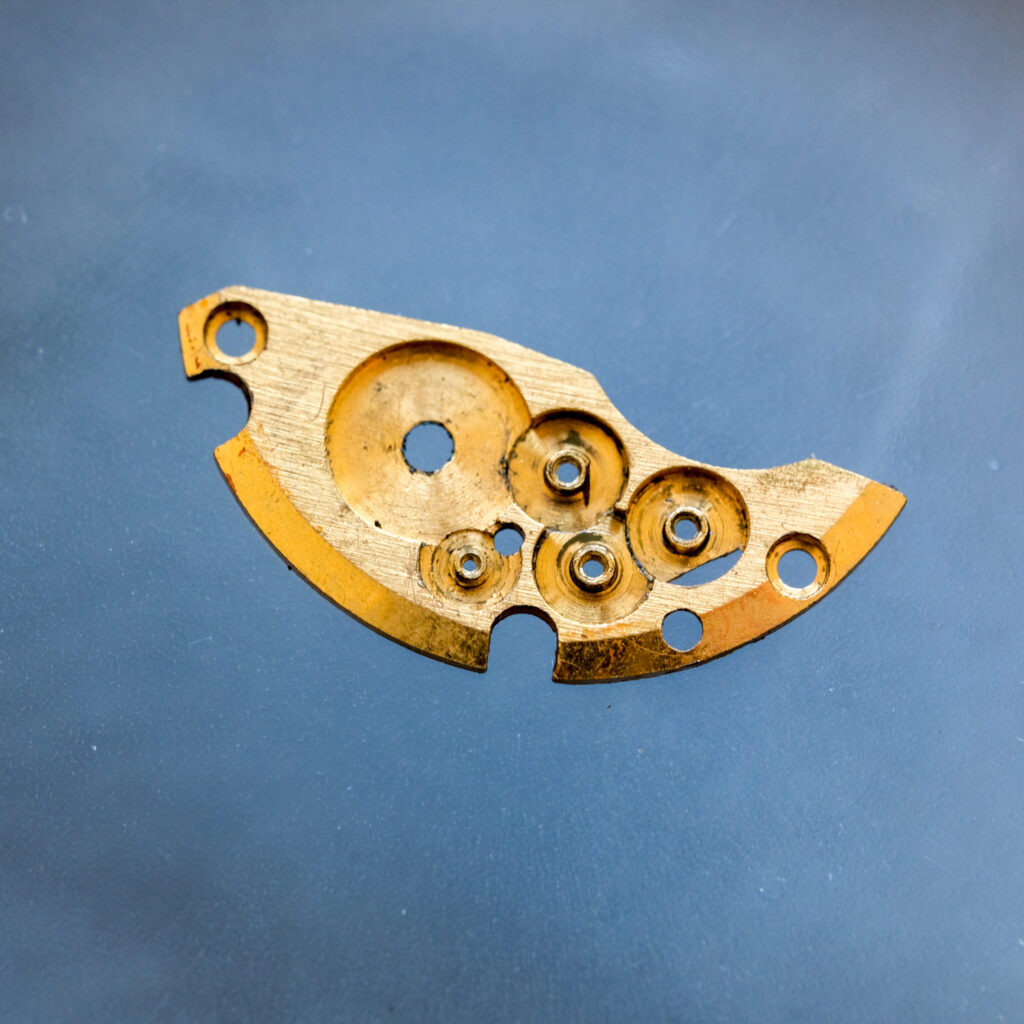
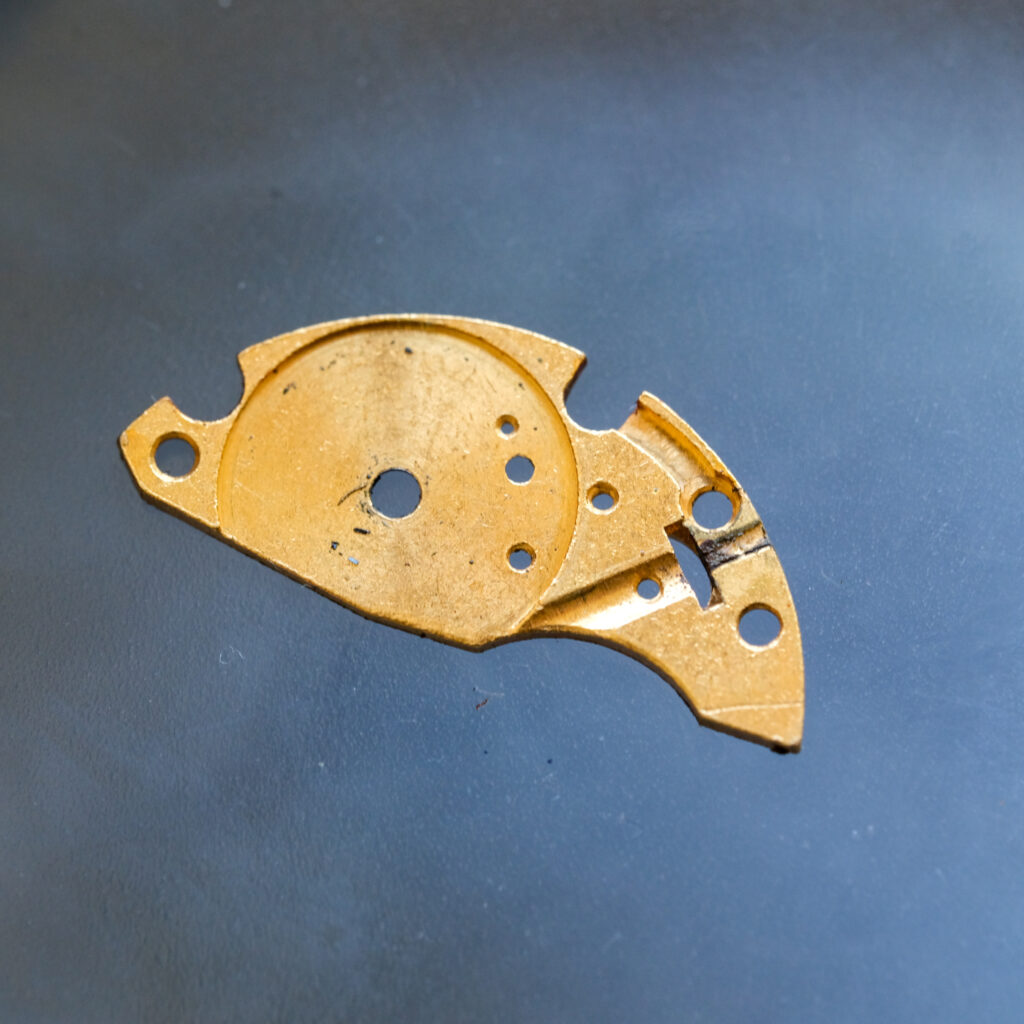
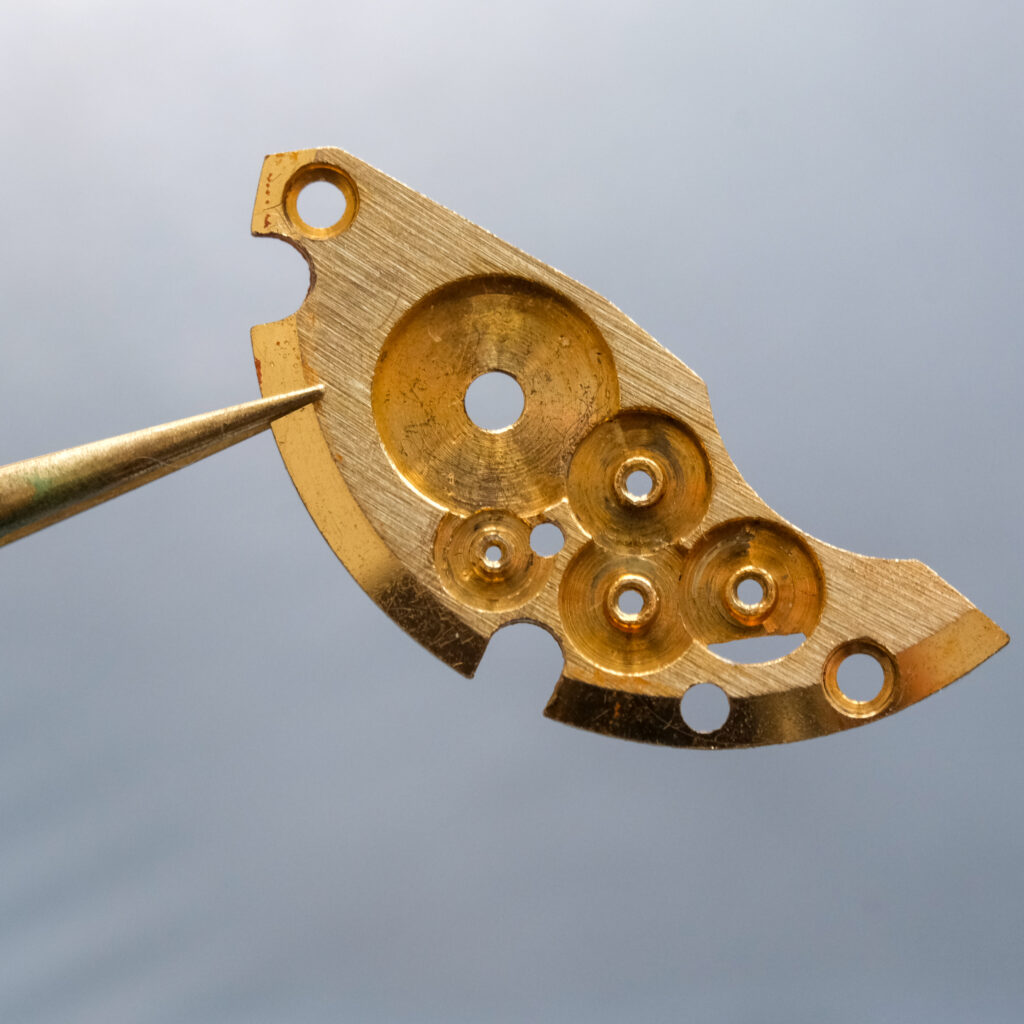
As I was attempting a proper service, I decided to take the opportunity to change my first mainspring. I removed the barrel lid, unrolled the old mainspring, and contacted the wonderful people at Maison Venus to see if they could source a replacement. They could.
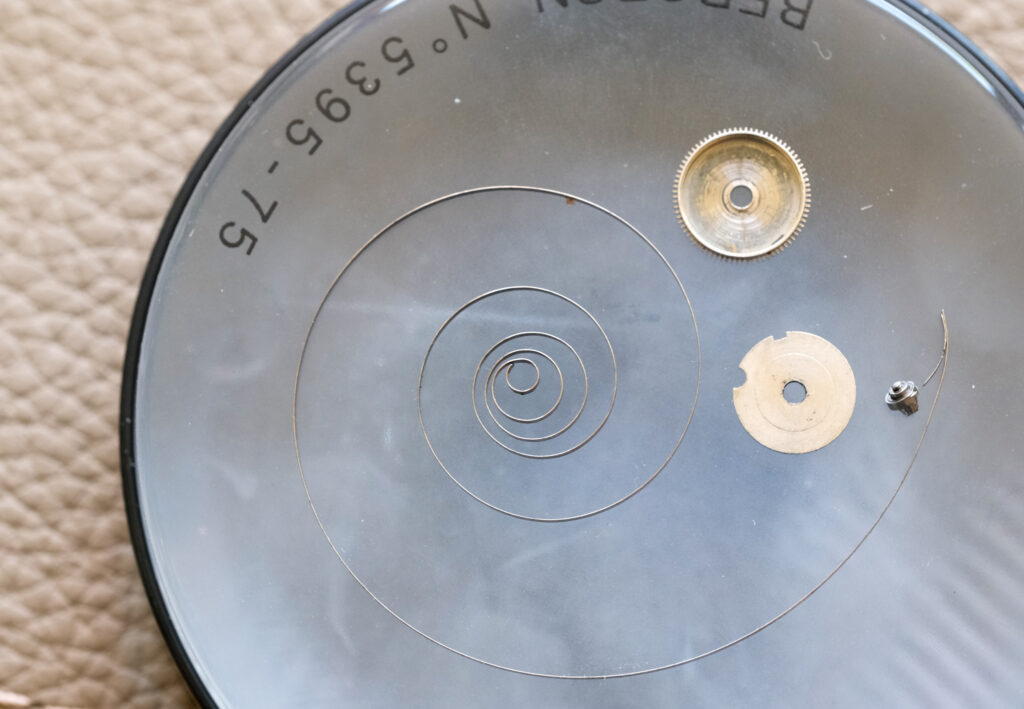
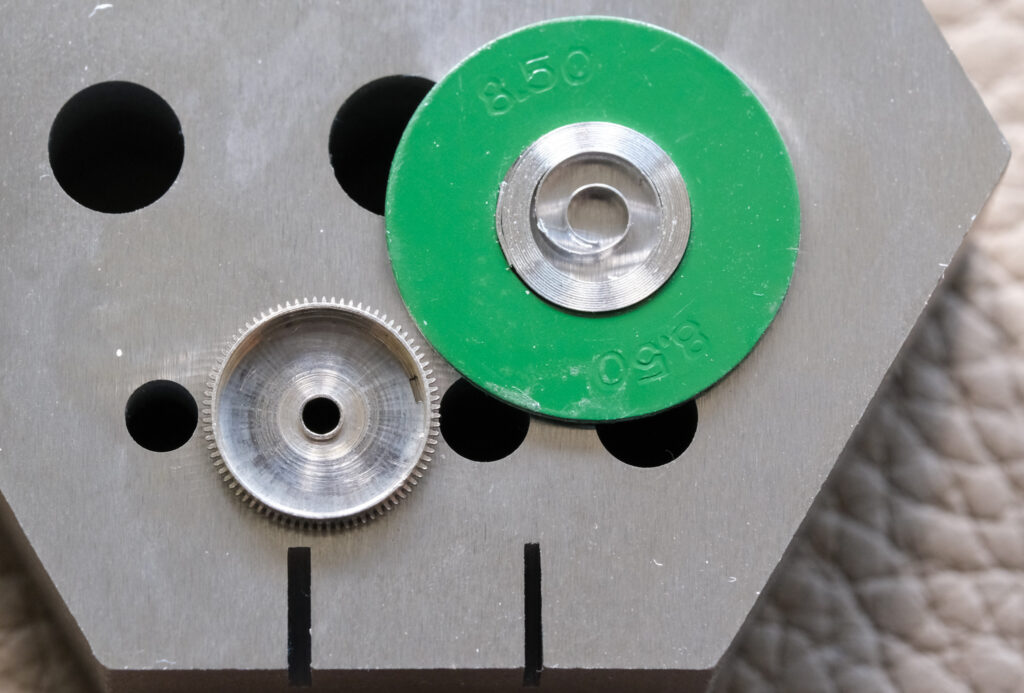
To be honest, almost none of this would have been possible without them. My new cleaning solutions, perforated plate, brushes, oils, and screwdrivers all came from Maison Venus. I discovered them through Red Dead Restoration and French Watch Collector — both masters of the craft whom I deeply respect. I couldn’t be happier with my new tools.
Anyway, back to my attempted service.
After acquiring the new mainspring, I began reassembly. Installing it was slightly stressful — I still don’t have mainspring winders, and I really didn’t want it to spring out. Once the barrel was closed, I assembled the first gear train. Then came the first problem: one of the small gears was damaged. That likely explained why the watch had stopped after being wound. At first, I thought this was the end of my first full-service attempt.
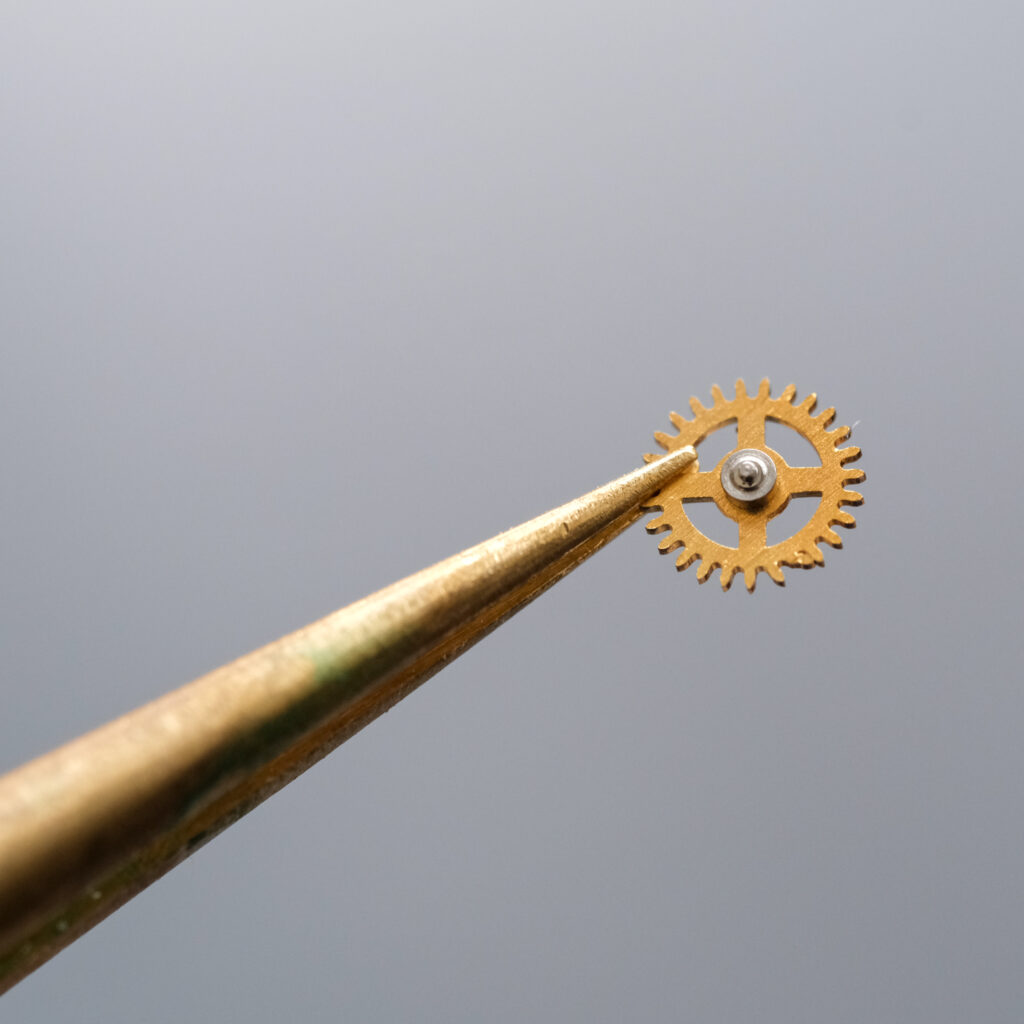
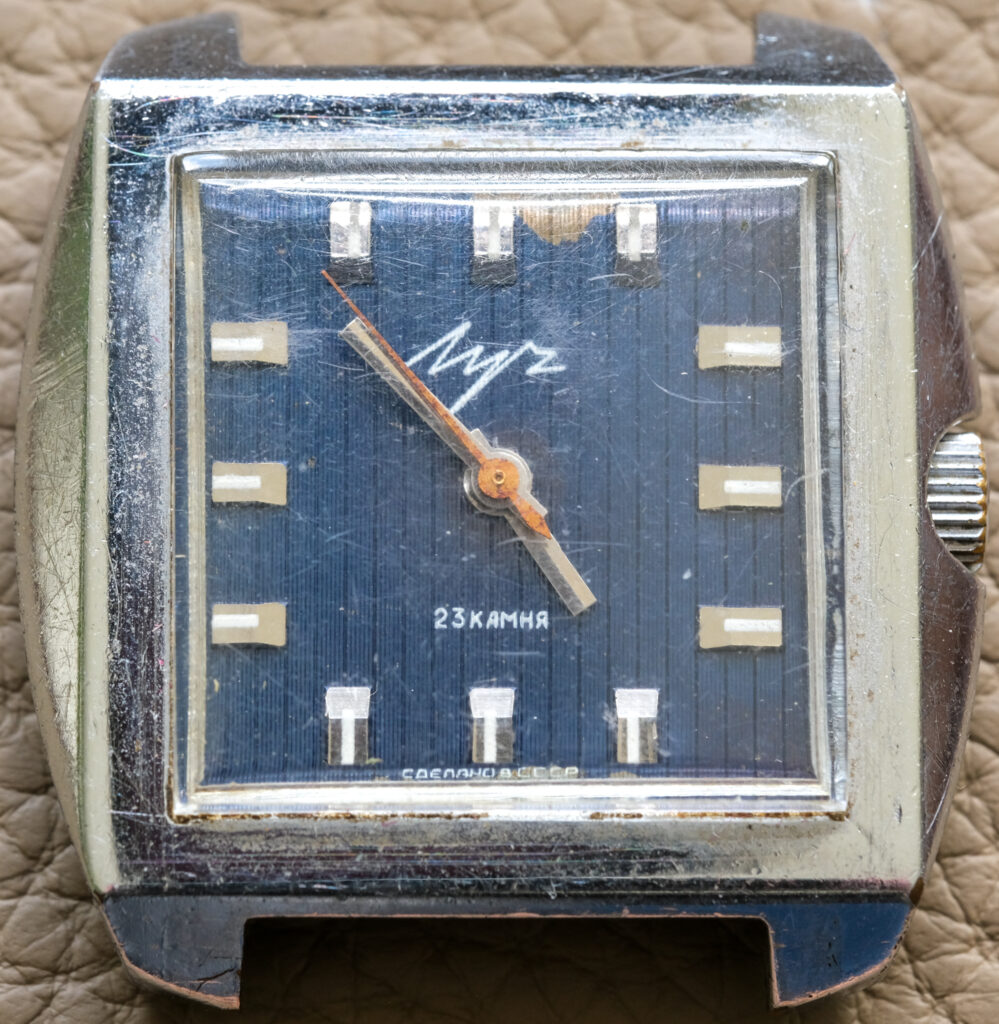
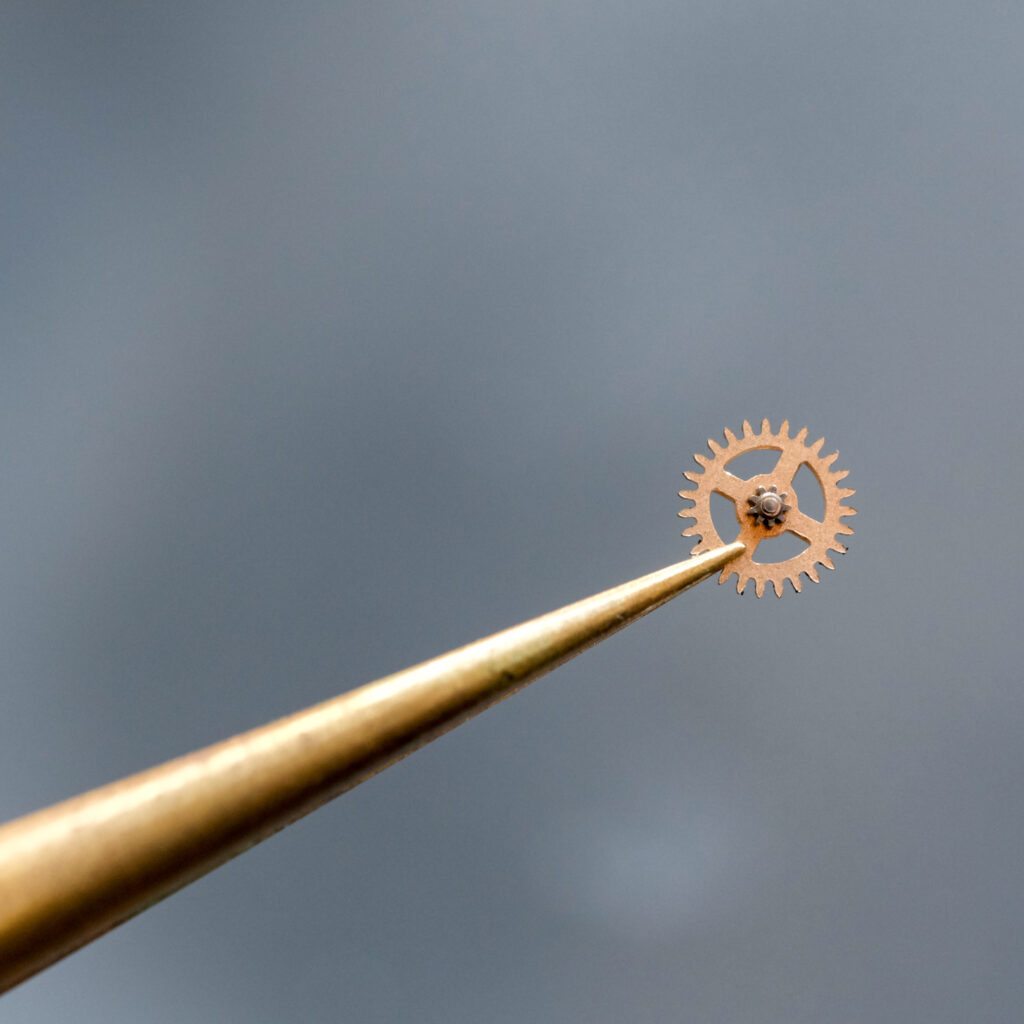
Luckily, I remembered another watch from the same manufacturer, roughly the same size. I figured it couldn’t hurt to open it up and see if the movement was similar. To my surprise, it was almost identical. I immediately began disassembling it to salvage the missing gear. Everything looked compatible — apart from minor differences in engravings and a slightly different third wheel. I found the part I needed.
Before installing it, I decided to stop for the night. But before calling it a day, I cleaned the newly disassembled movement just as before.
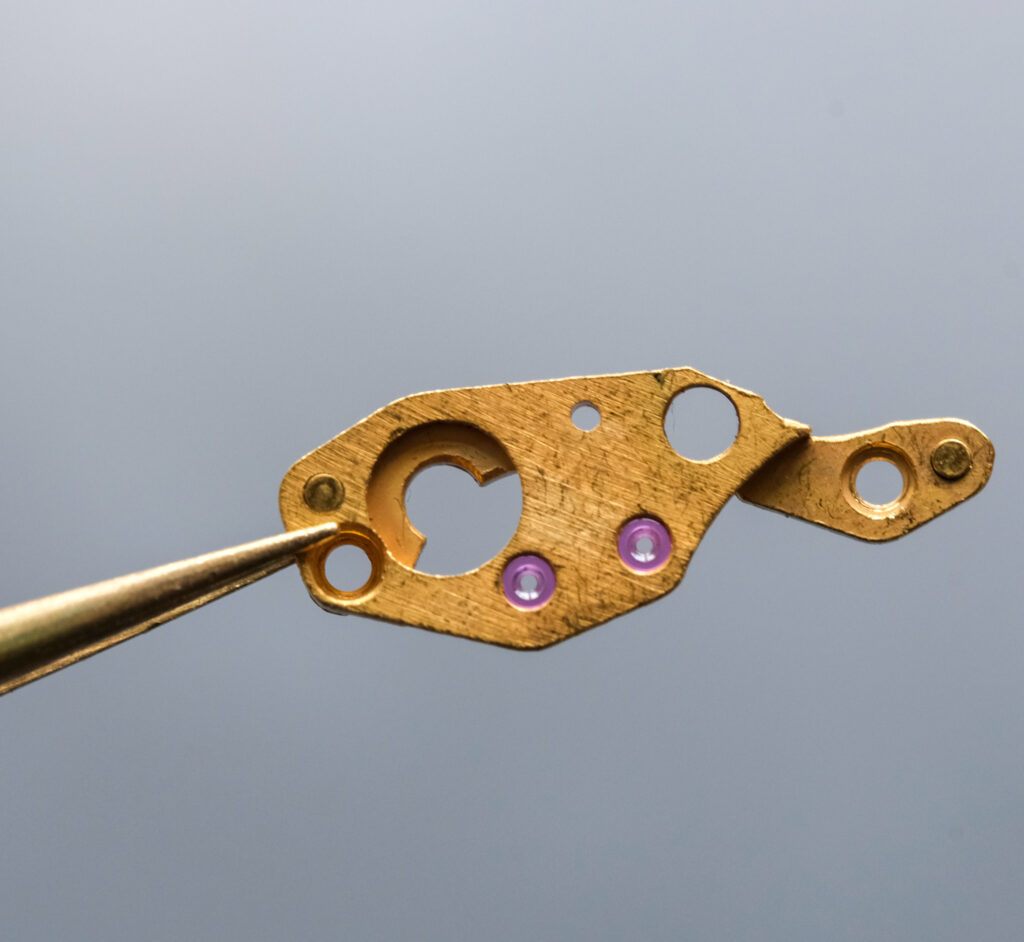
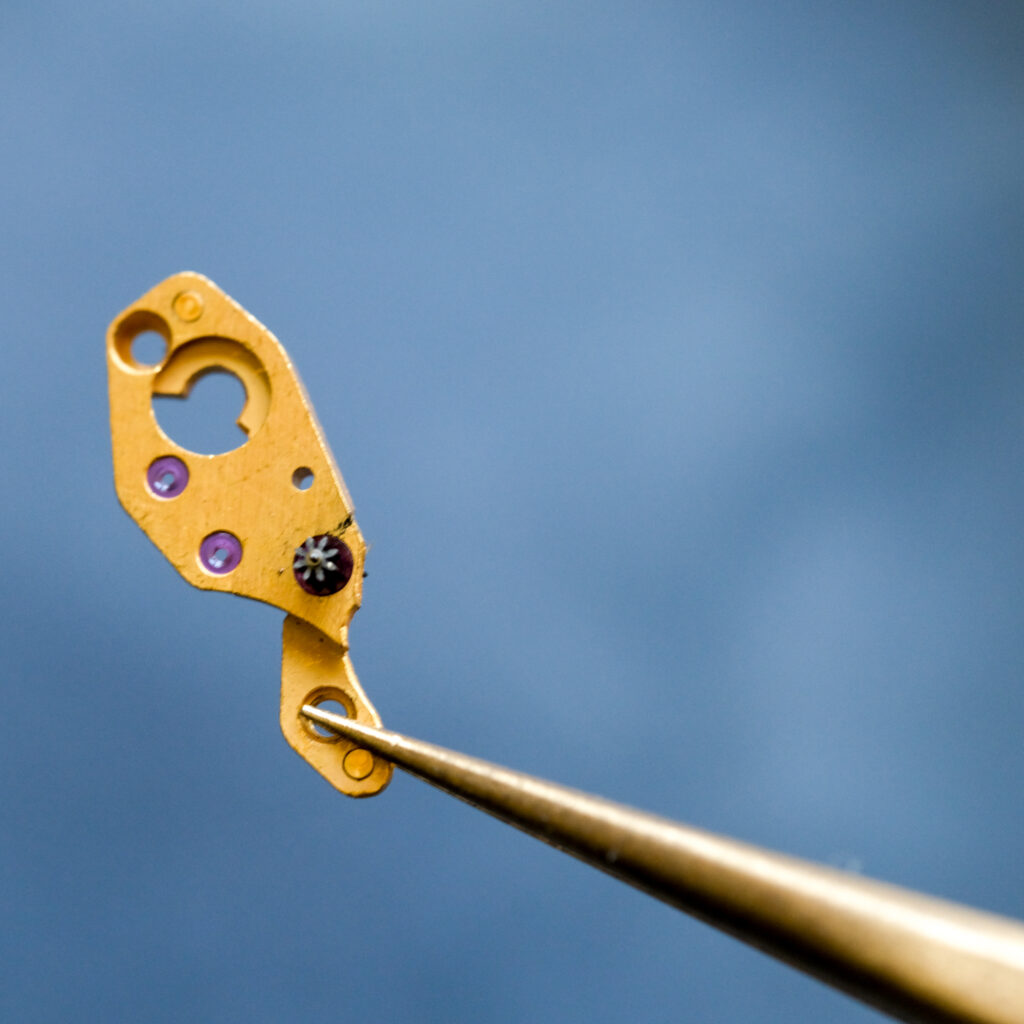
The next morning, I resumed reassembly, fully confident this attempt would succeed. I replaced the damaged gear and began installing the bridge that secured the two small gears. That’s when a jewel fell out and landed on my leather pad. Shock doesn’t quite cover it.
I examined where it came from and whether it could be saved. With the right tools, maybe — but I didn’t have them. What I did have was a donor movement with an almost identical bridge. I fitted it, and it clicked in perfectly. From then on, it should have been smooth sailing.
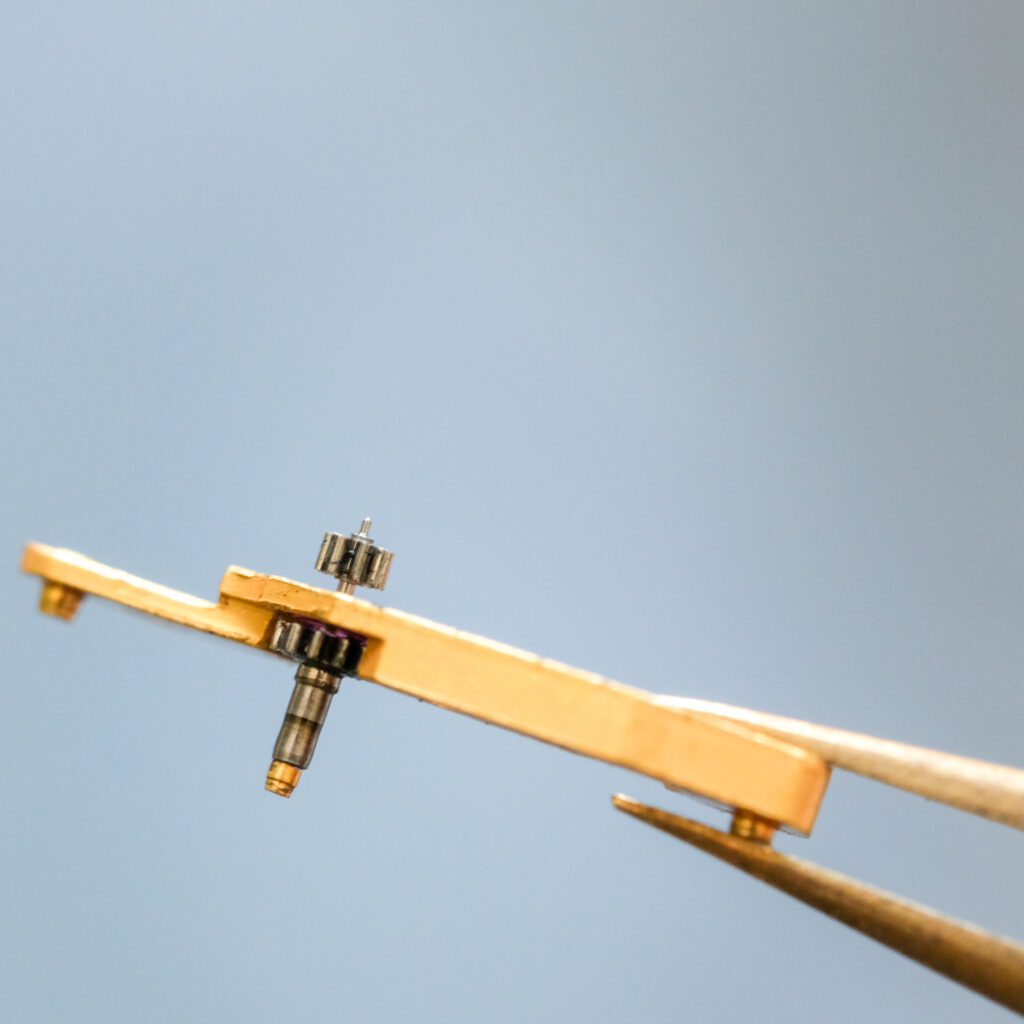
If only it were.
Aligning the gear train bridge proved a nightmare. If a movement is well-engineered, the bridges usually drop neatly into place over the pivots — but not this time. After several tense attempts and a few beads of sweat, I finally secured it, with all gears turning freely.
The keyless works were of a standard design — no surprises there. Finally, I installed the balance and waited for that magical moment when the heartbeat returns. It did — but barely. Then I knew something wasn’t right.
I admit I probably didn’t lubricate every pivot as carefully as I should have, but that alone couldn’t explain the snowstorm on the timegrapher. I visually inspected the movement and tried winding it again — no improvement. I removed the hairspring: no visible damage. The gears were moving, but the watch wasn’t truly running. I began to suspect the new mainspring — maybe it wasn’t seated properly, or perhaps its size wasn’t correct. So I disassembled everything again and reinstalled the old mainspring.
At this point, I had two disassembled movements, several damaged parts, and one new mainspring. I reassembled everything once more — but the hairspring barely moved.
Brussels, we have a problem.
As of writing this, I’ve disassembled and reassembled this movement at least four times — even tried swapping between the two identical mainplates. Nothing. Something in the gear train is likely damaged.
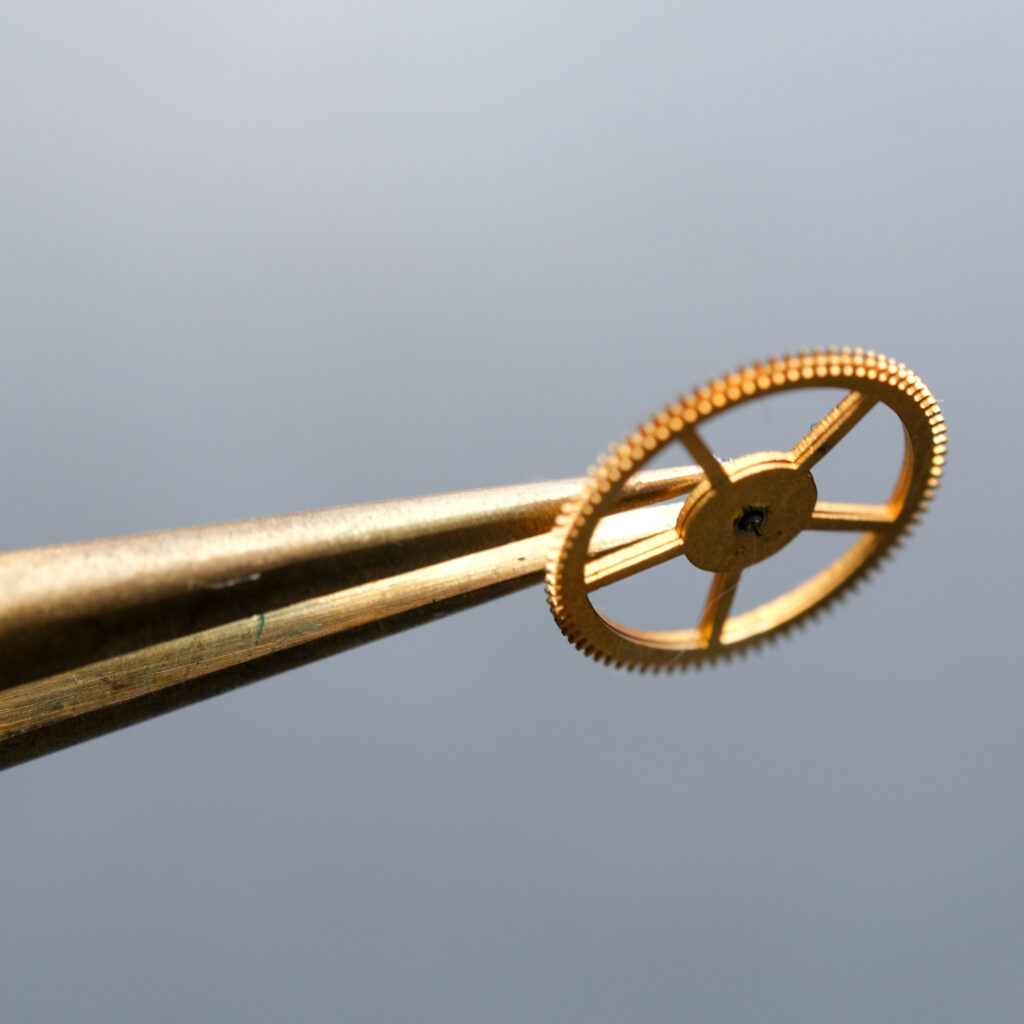
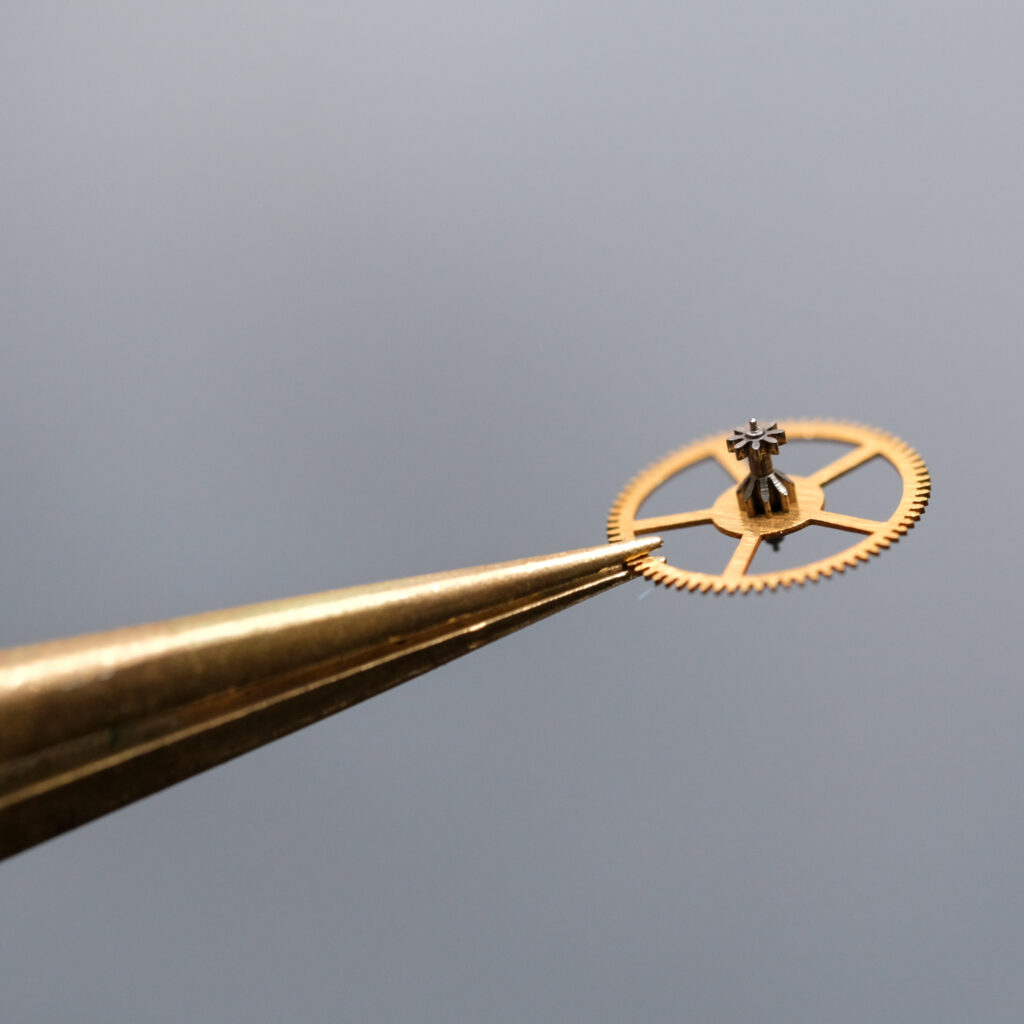
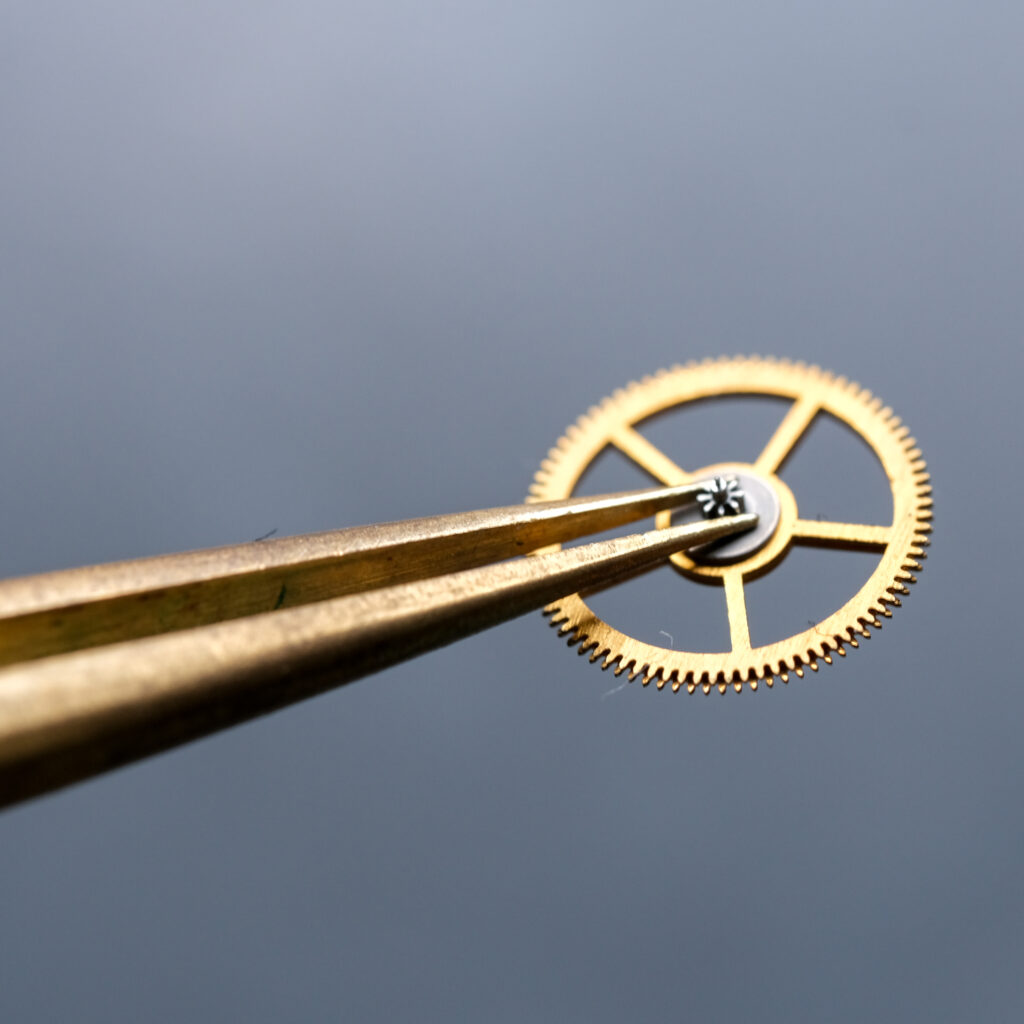
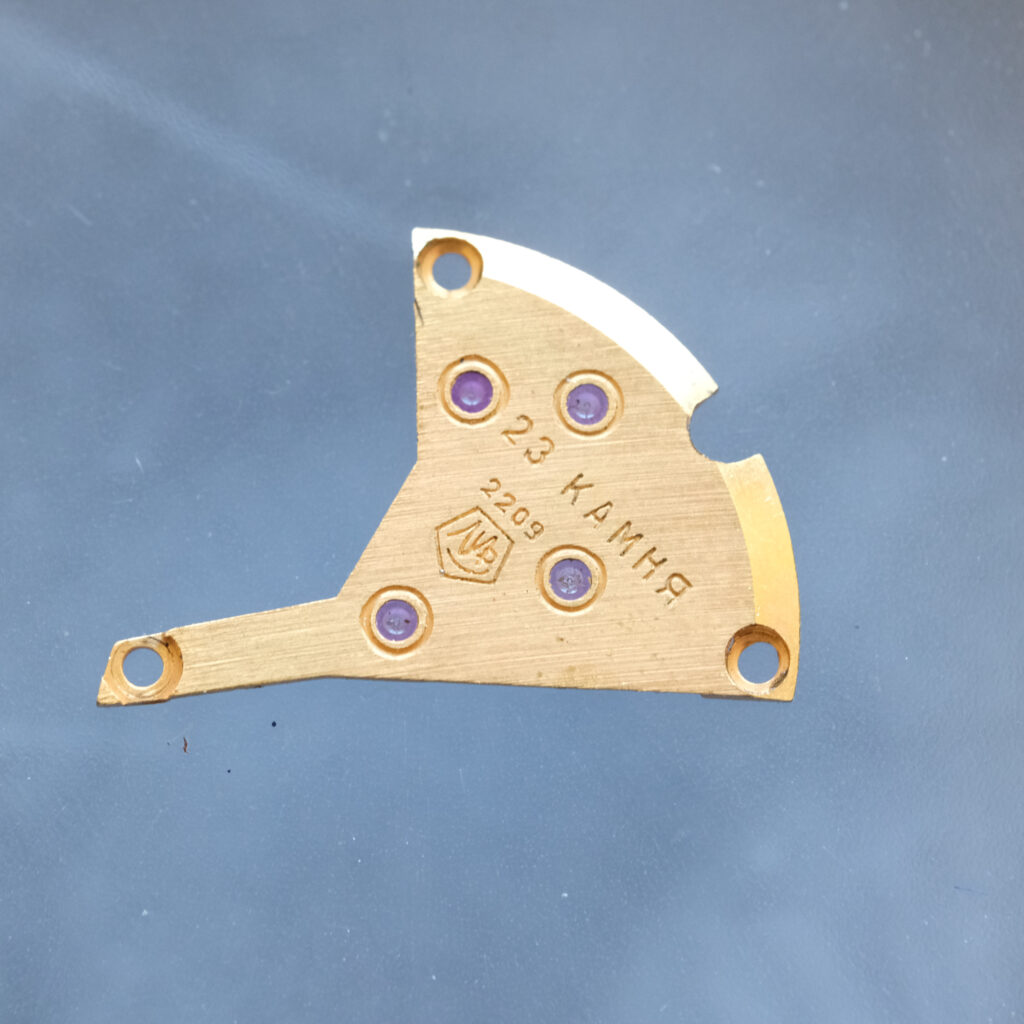
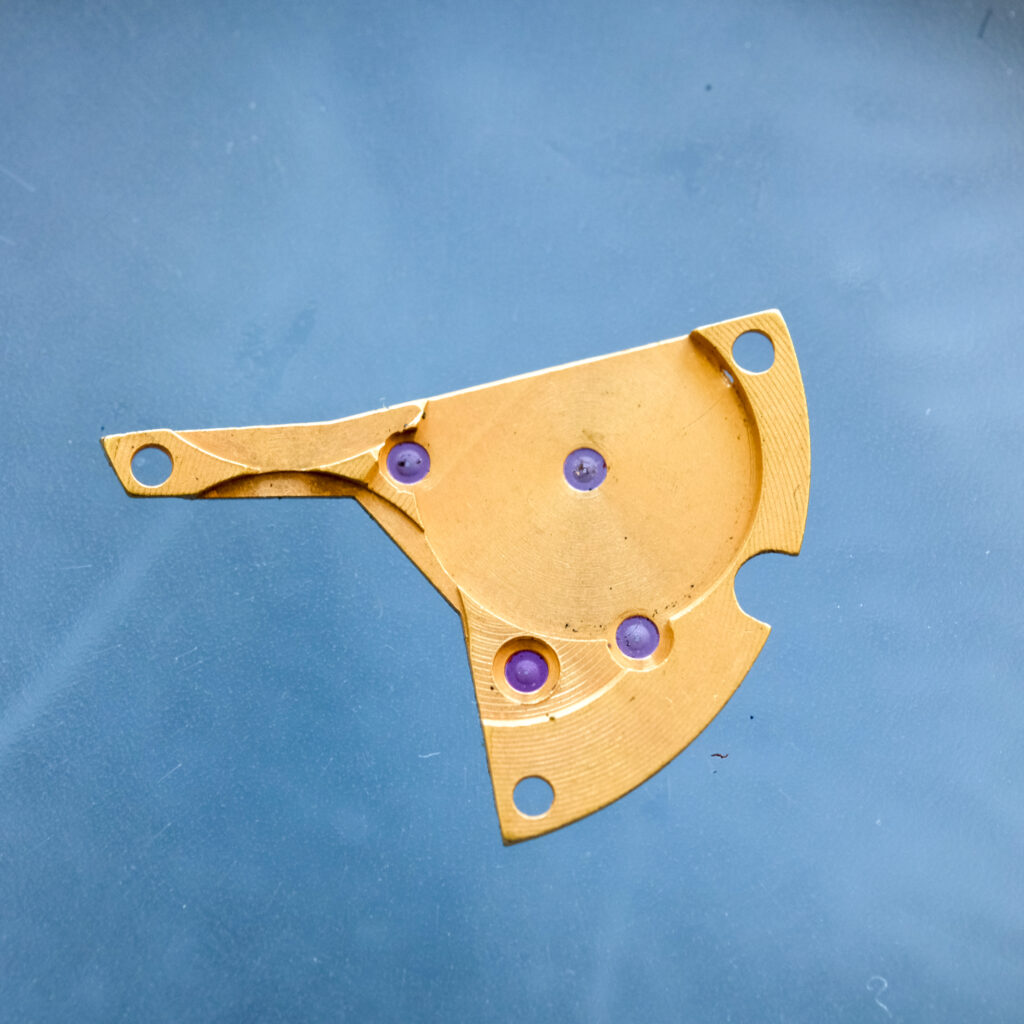
It was a humbling experience. I truly believed I’d manage to service this movement and claim my first properly restored vintage watch. In the end, I might have damaged one or more pivots, leaving the movement crippled.
Can it still be fixed? Can I make it work again? I honestly don’t know. But I’m too far down this rabbit hole to quit now. I’ll keep at it until I’m certain it’s beyond saving.
Stay tuned.
Keep buggering on.
Kindly,
Olaaf
P.S. The cover photo shows the completed reassembly, taken just as the movement began to tick — weakly, but alive.


