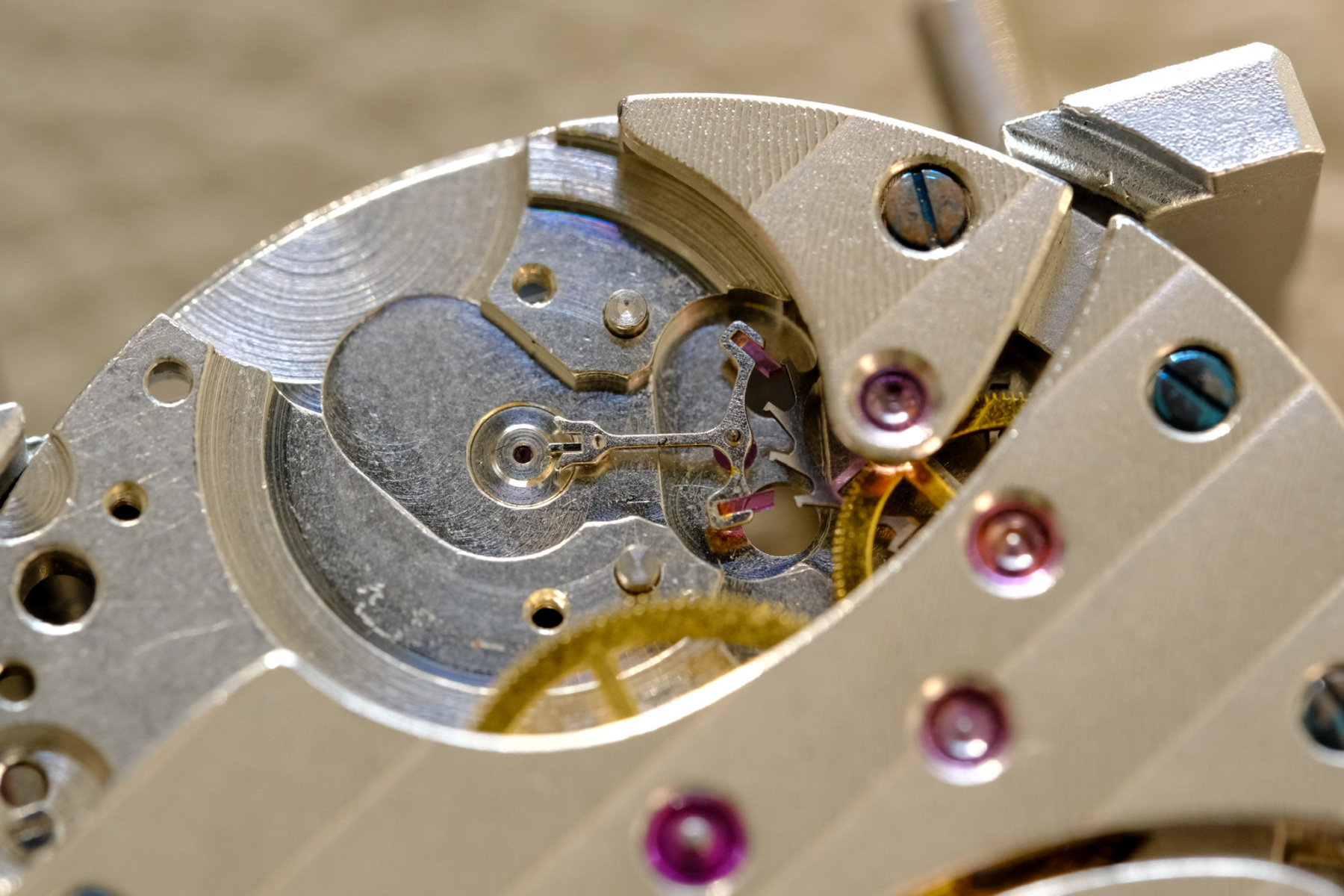
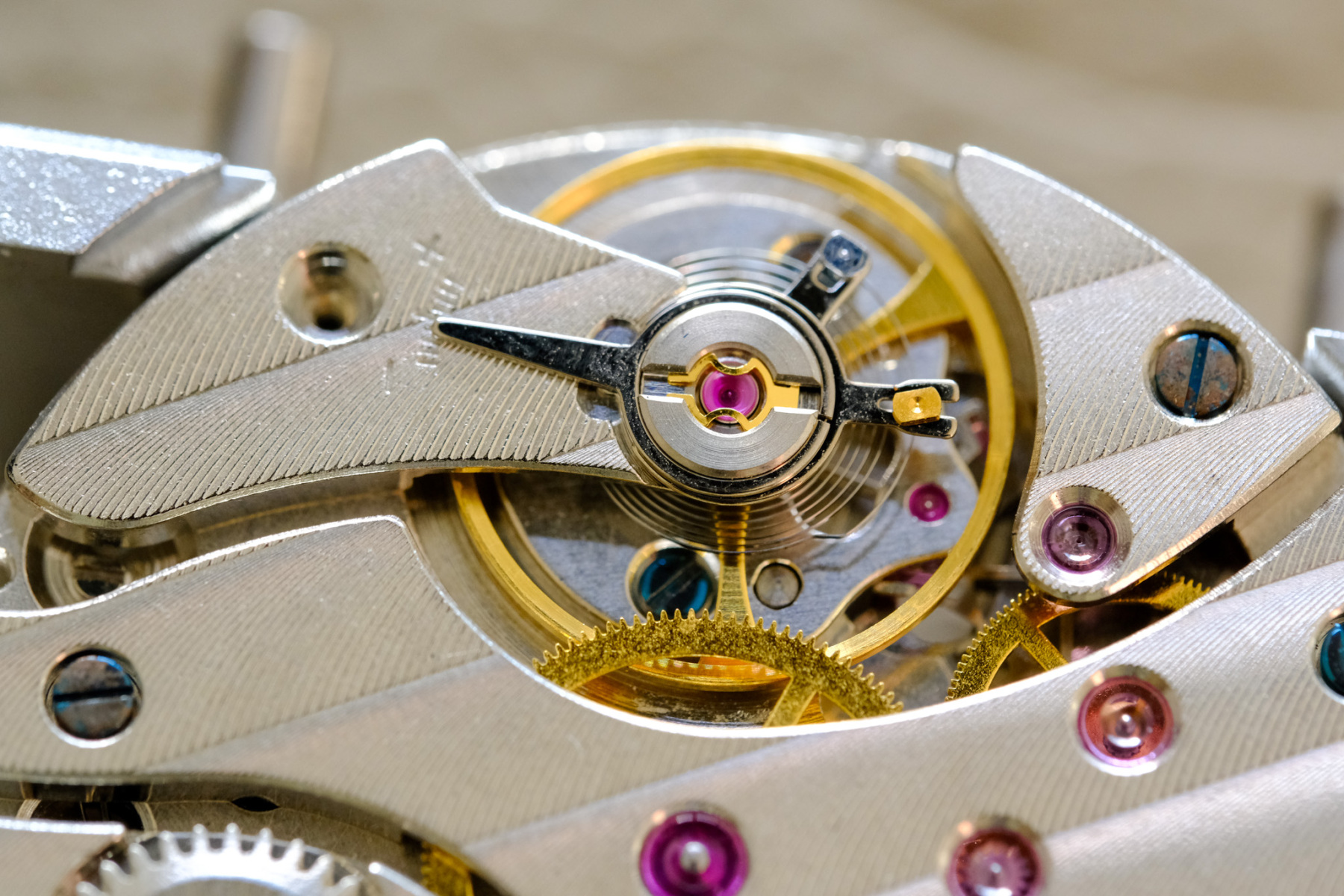
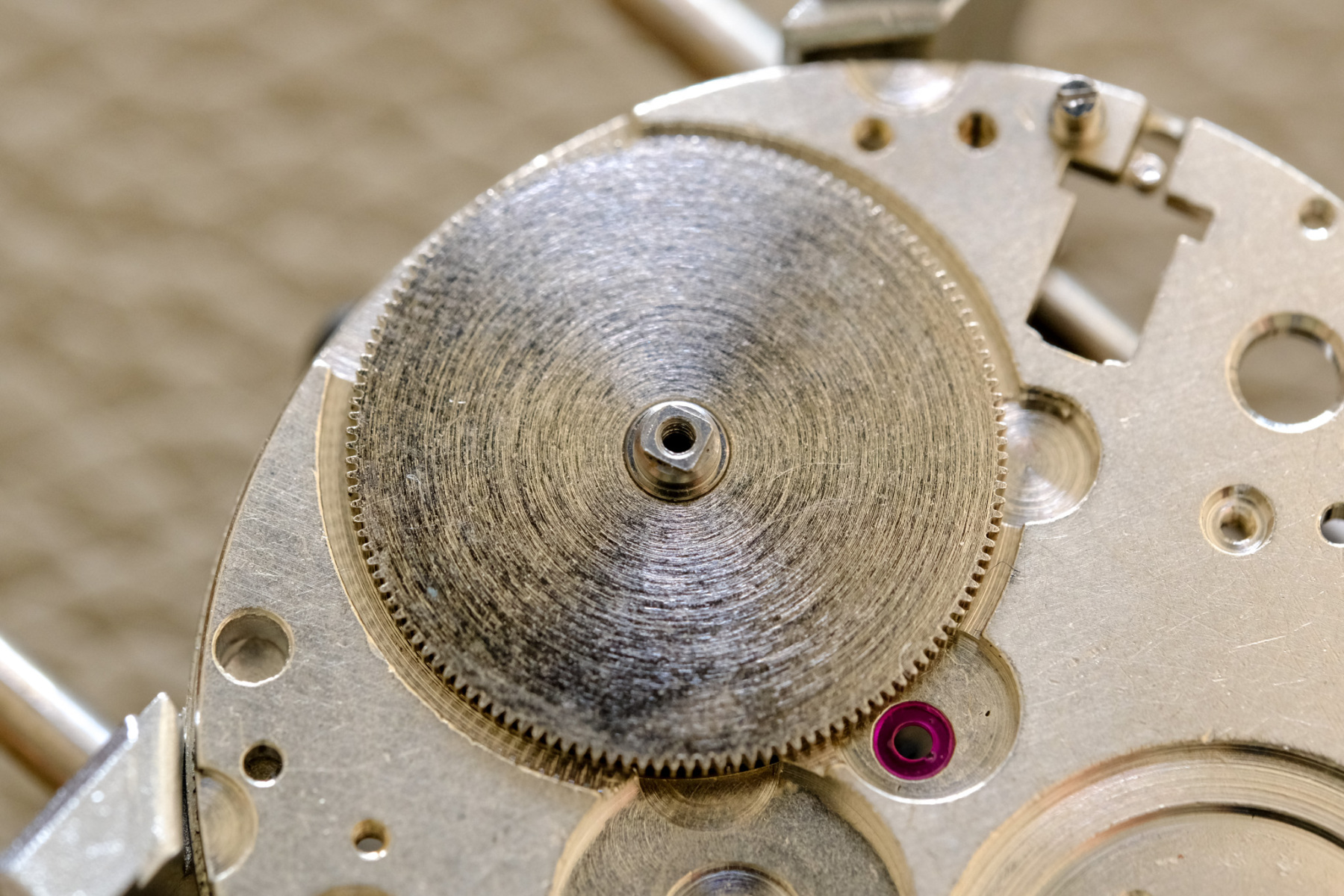
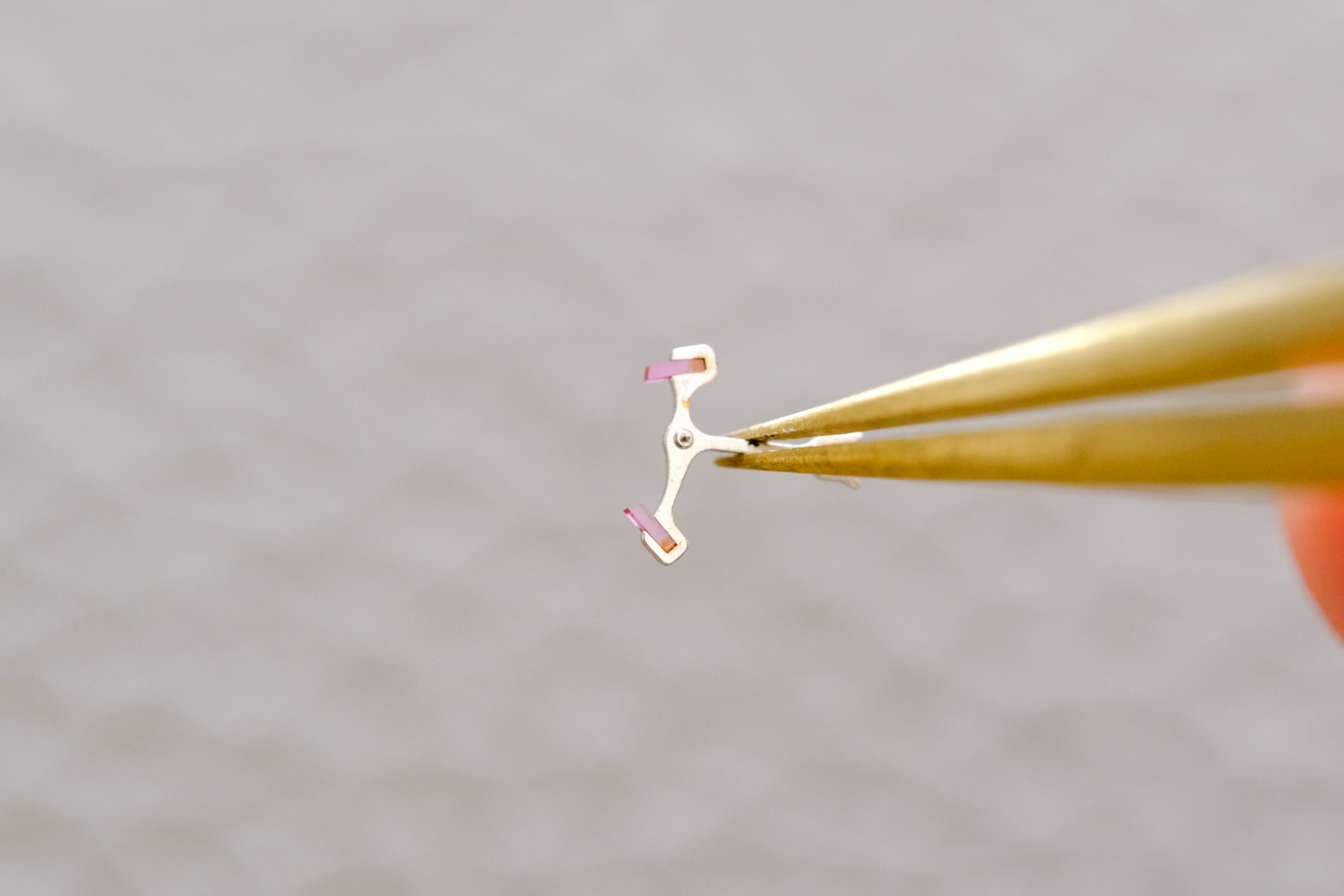
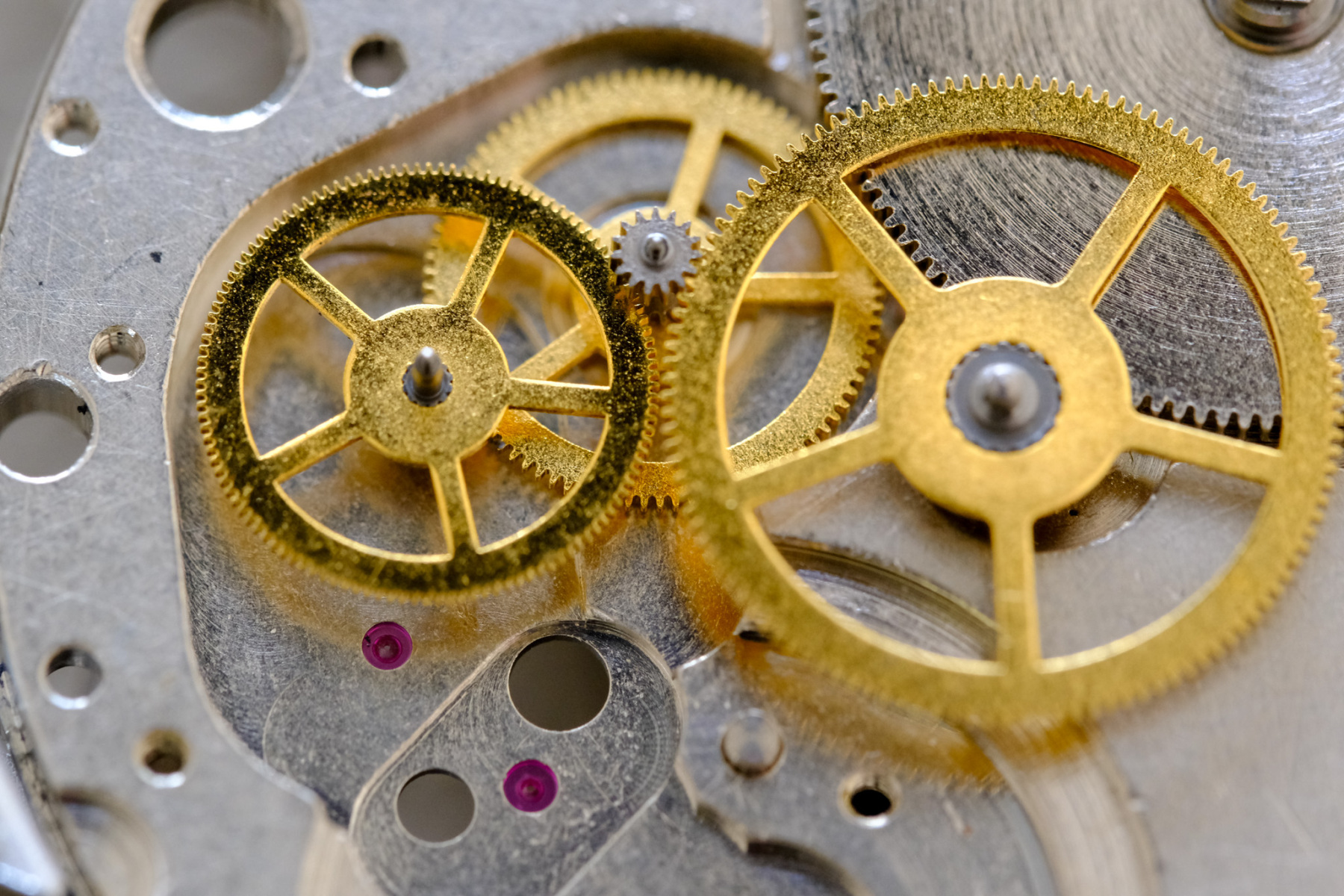
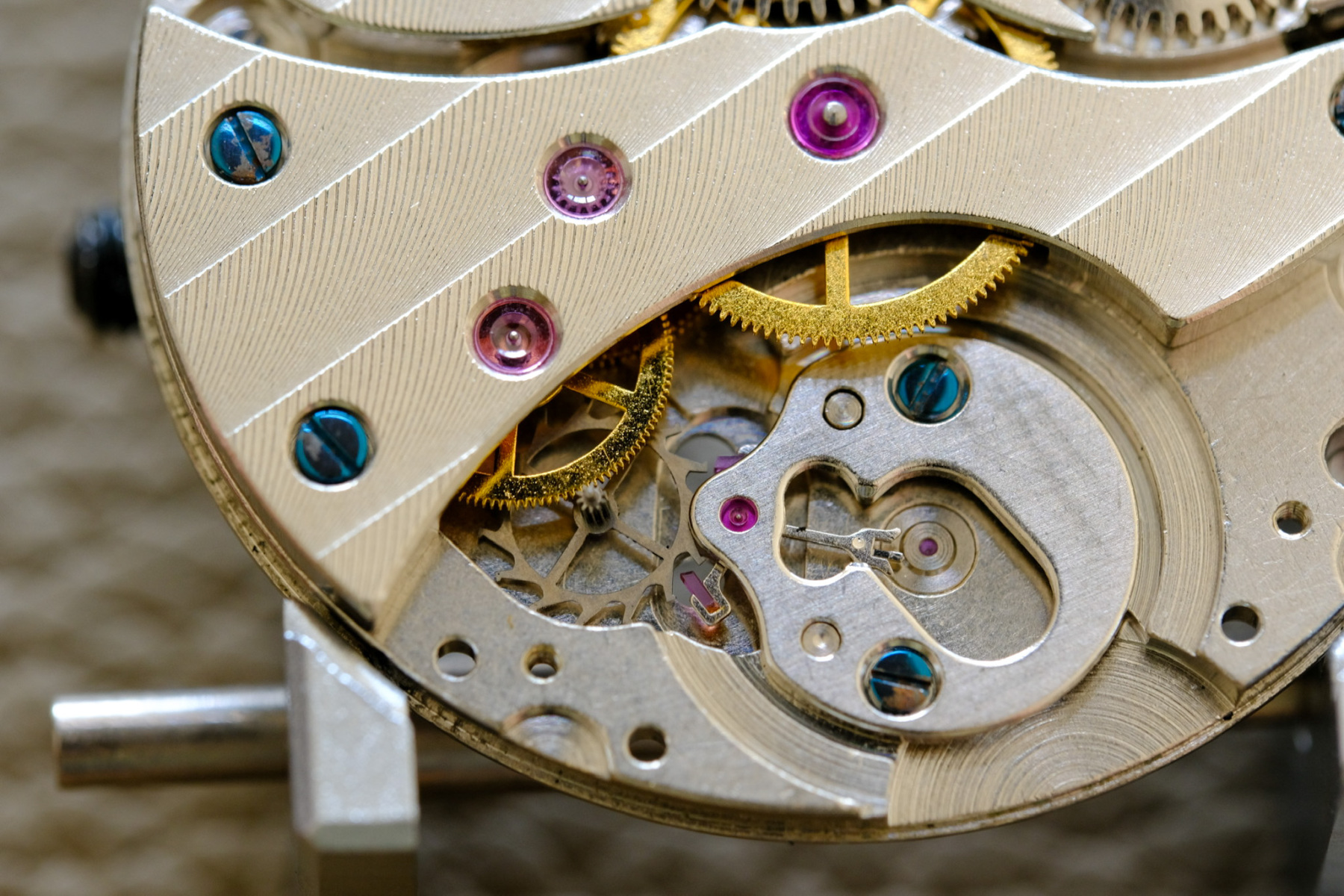
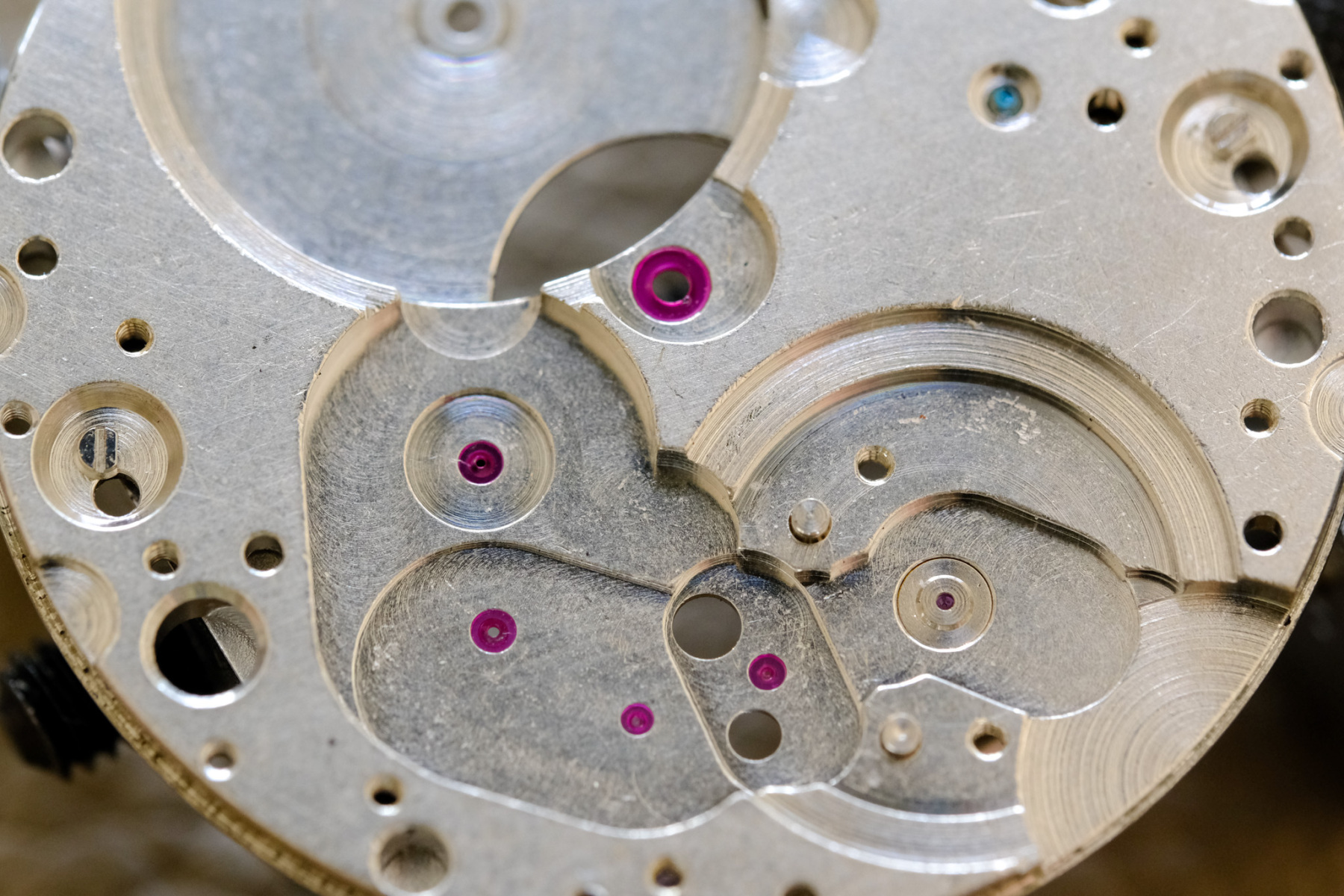
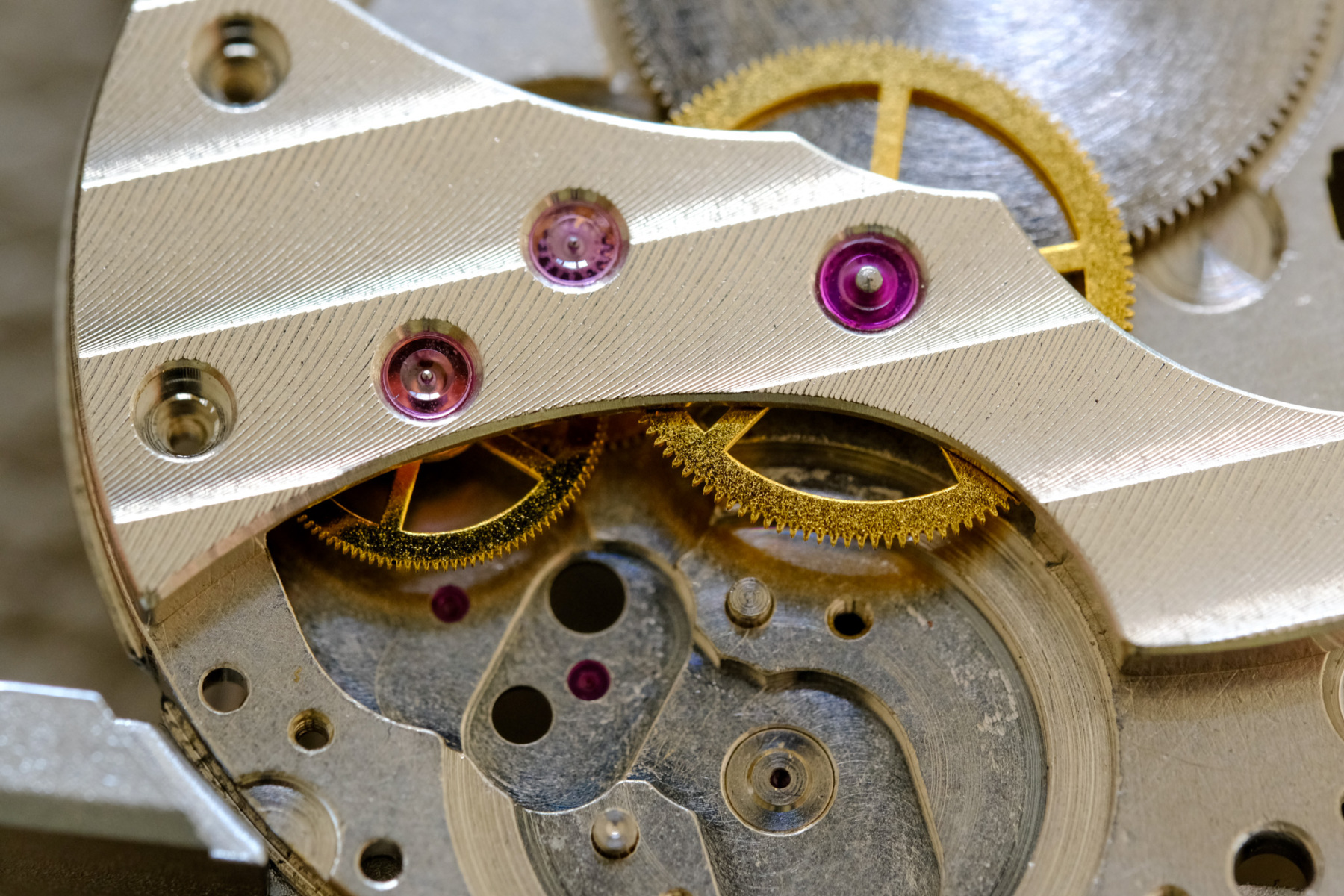
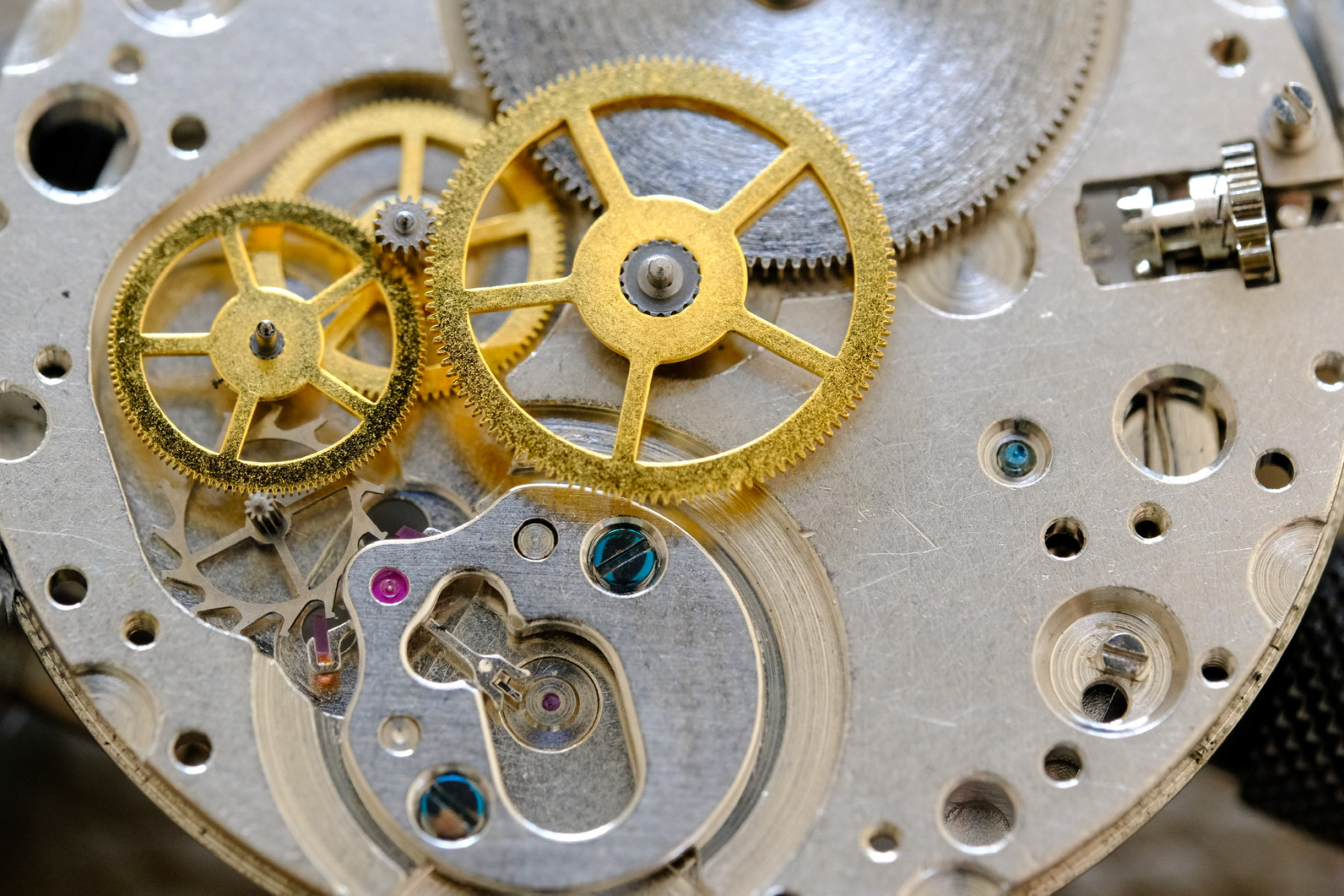
Ever since I took the plunge into photography—specifically macro photography—I’ve wanted to disassemble and reassemble a watch movement under my new lens. You’ve seen this movement taken apart and put back together before, but those photos were shot with an iPhone 13 mini and lightly post-processed. Now, you can see the difference.
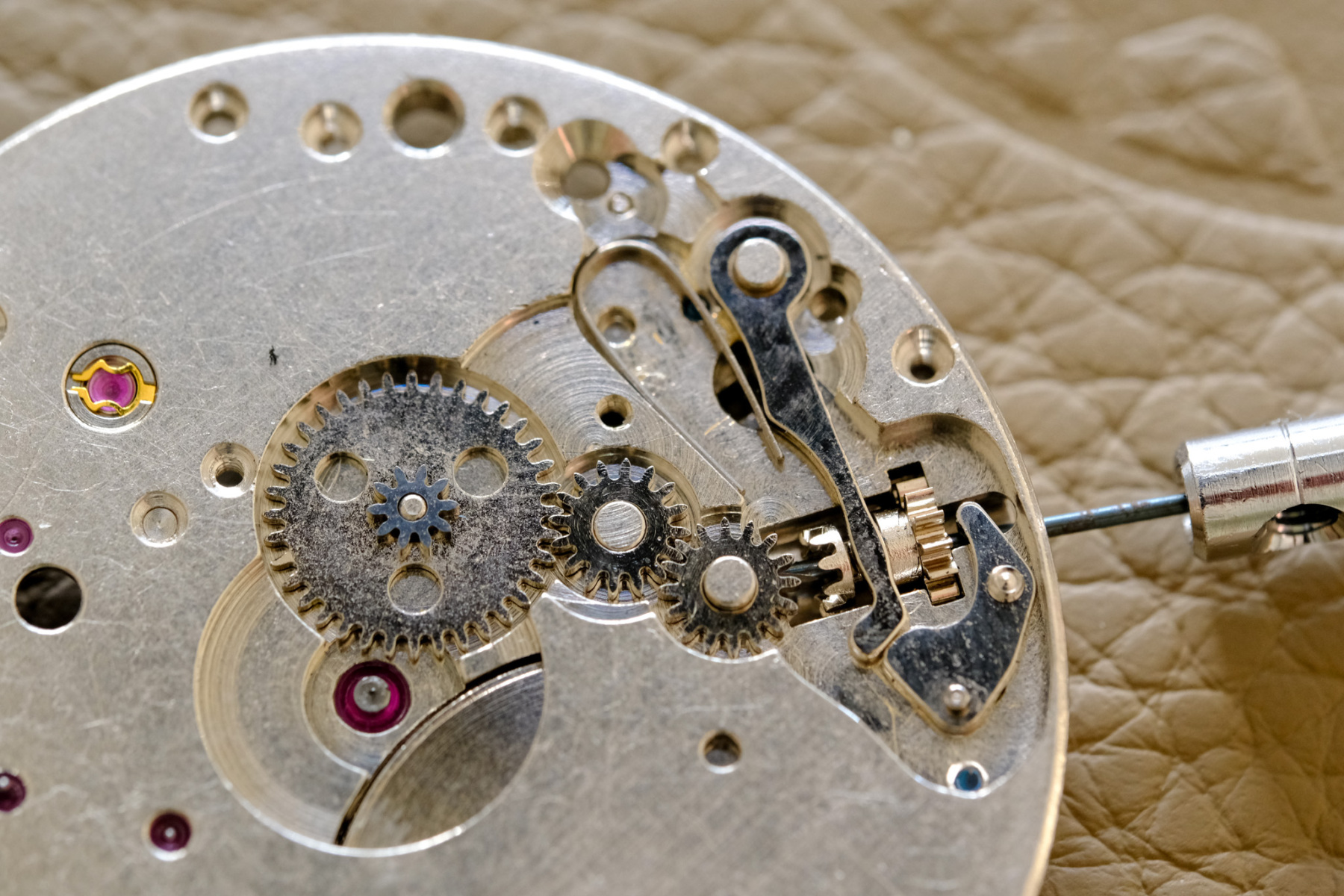
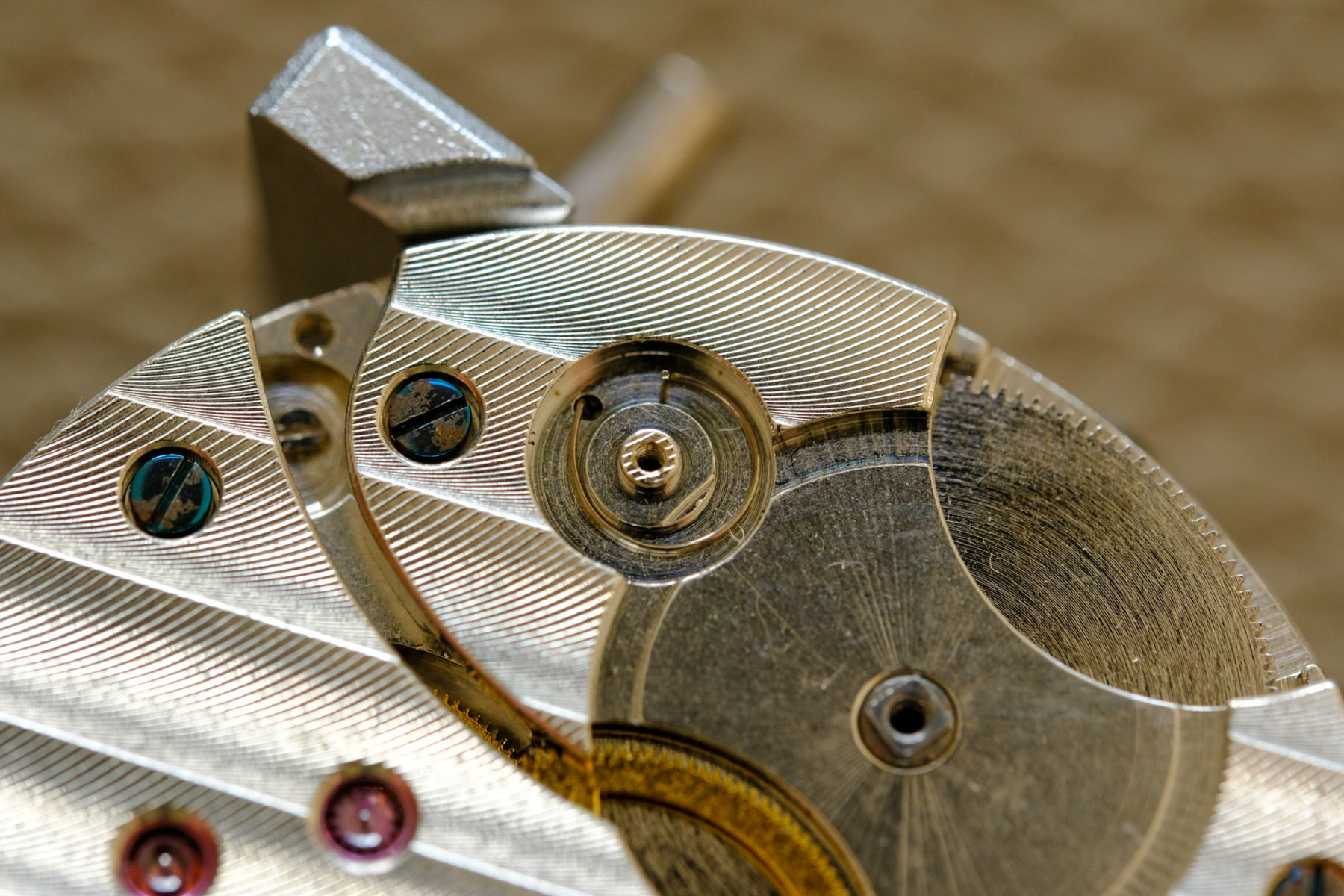
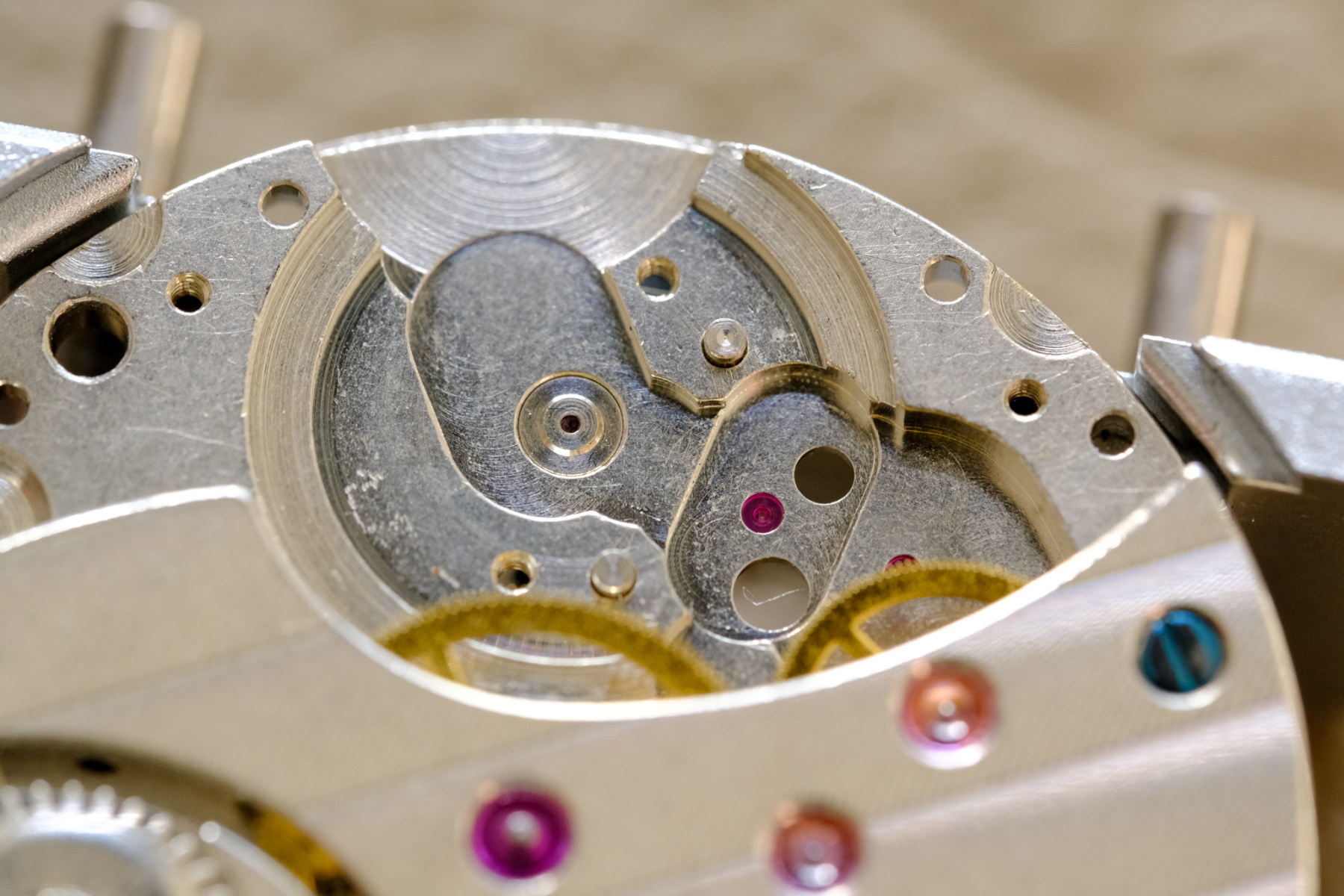
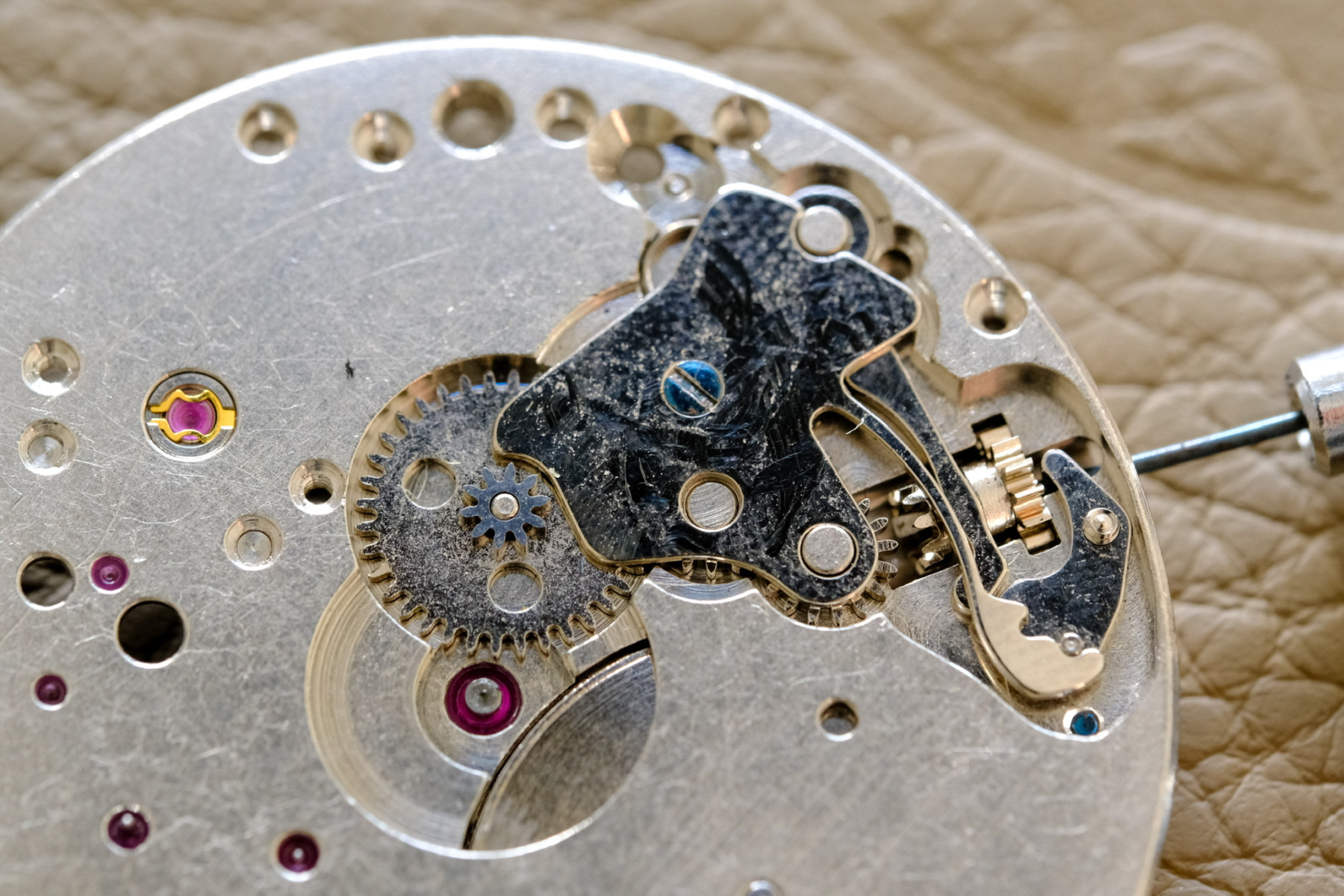
I expected the quality to be good, but I wasn’t prepared for just how good. Right away, I can say this movement needs cleaning. It wasn’t obvious before, but under a macro lens, it’s crystal clear—especially when you look at the keyless works. Those gears are dirty. The gear train, too. But what I love most is seeing the pivots under the jewels—details I had only ever noticed in YouTube videos where hobbyists meticulously disassemble, clean, and rebuild movements. Now, I can see it all firsthand in my own “workshop.”
All the photos below have been slightly post-processed. Since I’ve yet to complete my Lightroom and Photoshop courses, I’m keeping the editing light. For these shots, I used a Fujifilm 80mm macro lens at f/8 with a flash. Did I say that correctly? I’m still learning how to properly describe my camera settings.
If you’re reading this and have feedback, feel free to share—I’d love to hear it. And if you’re wondering how many times you can disassemble and reassemble the same watch movement, the answer is simple: countless. In fact, I did it just yesterday—but without using the flash. The result? Bland, lifeless, dark, and gloomy photos. I’d be tempted to show you those, but honestly… I’d rather not.
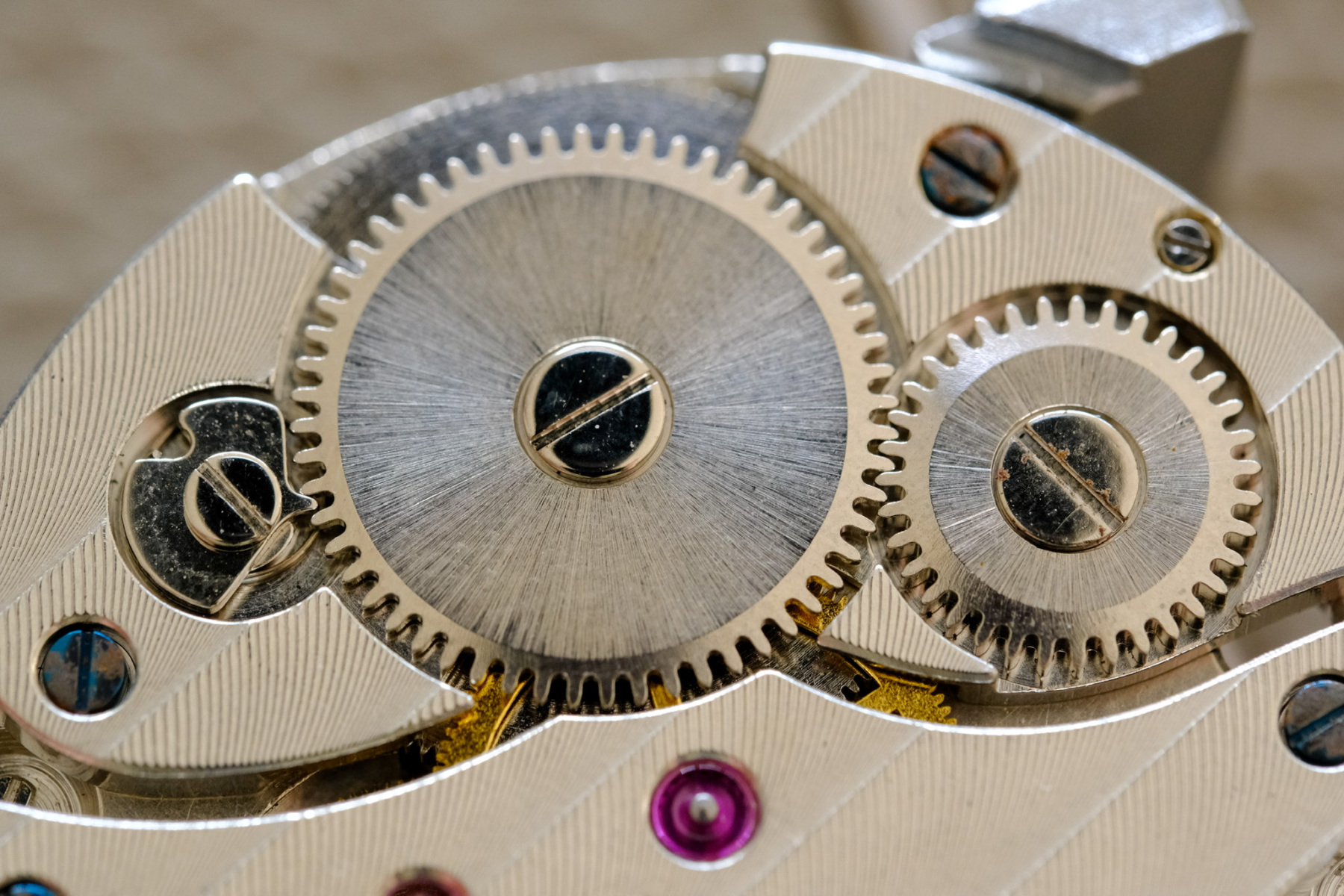
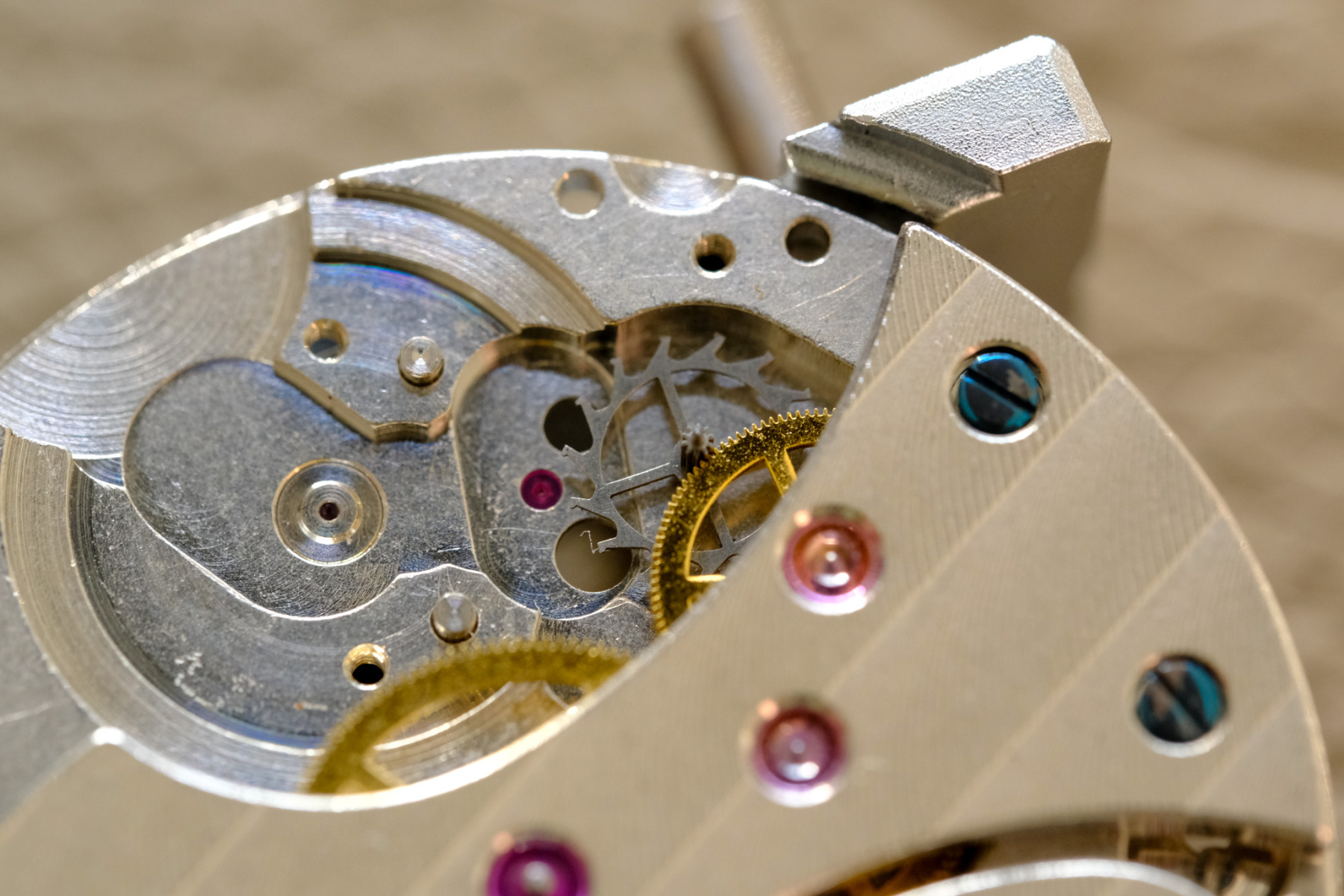
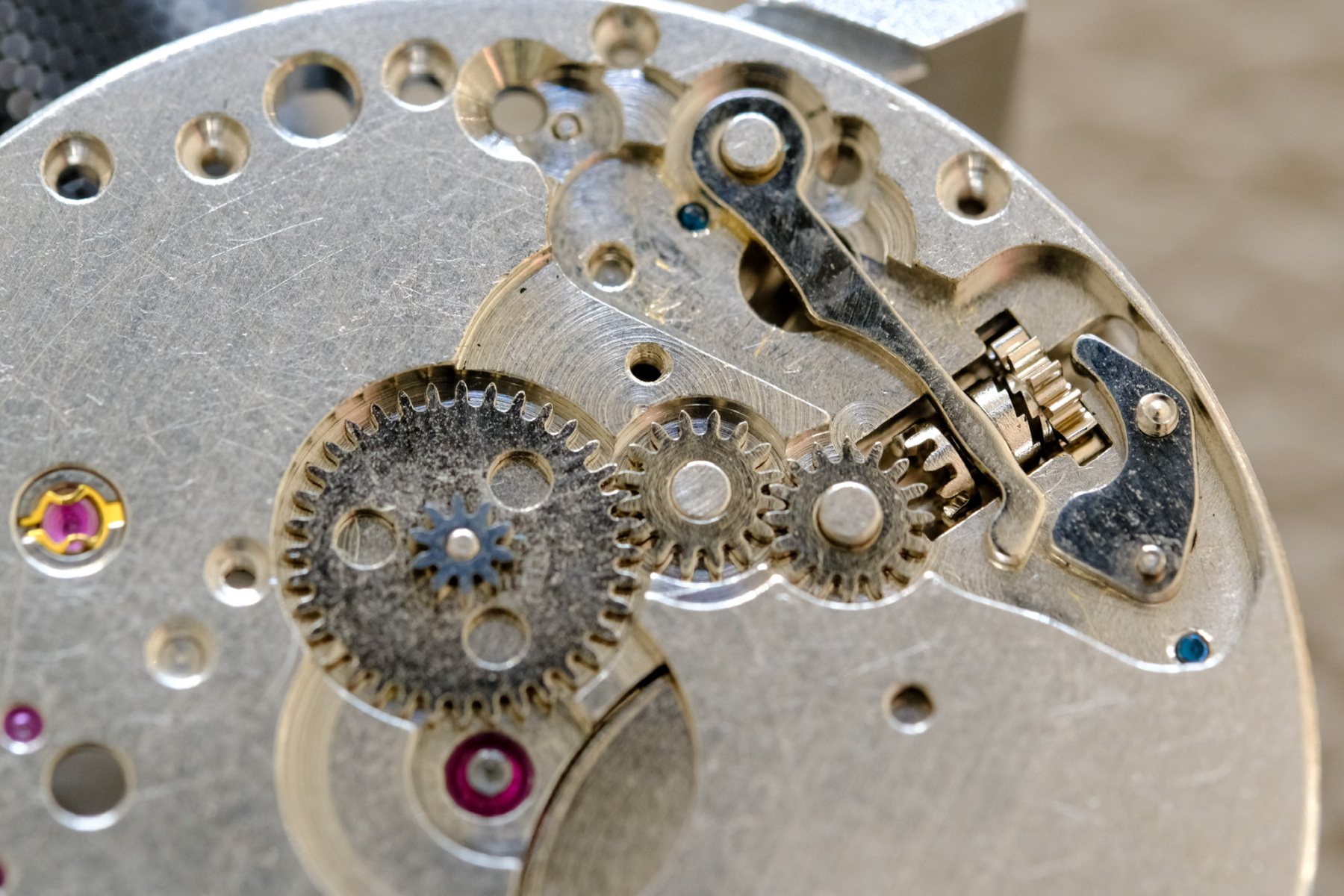
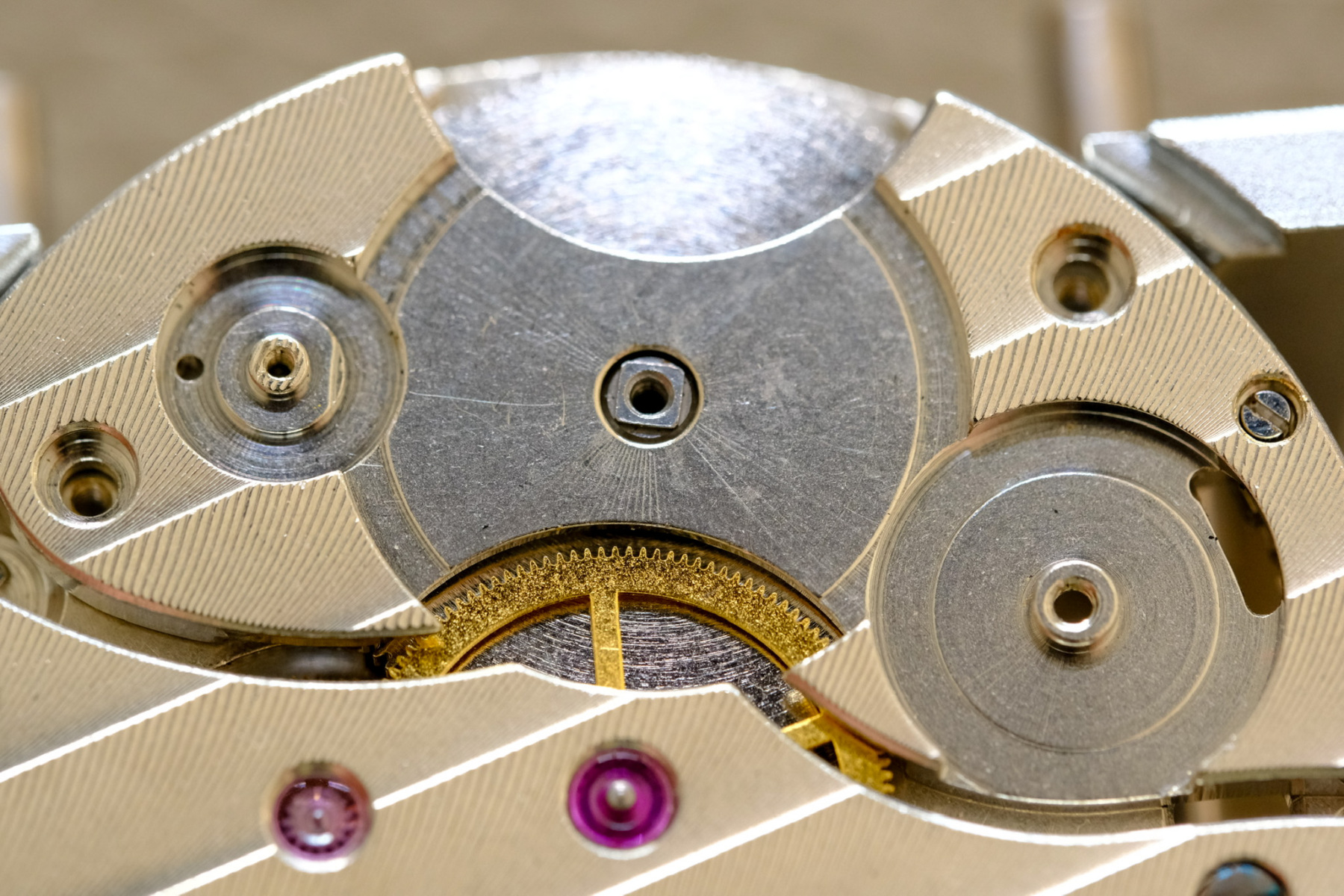

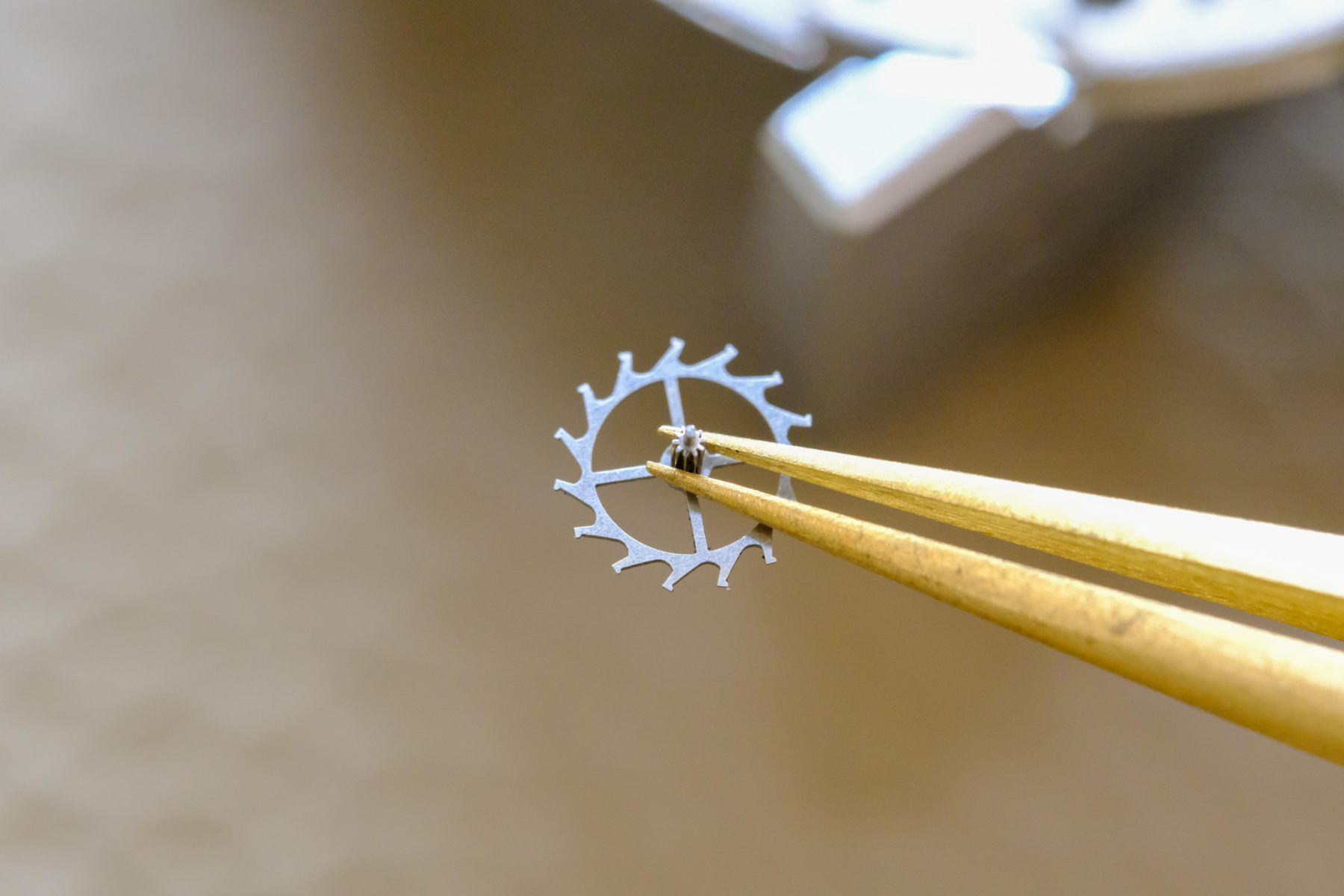
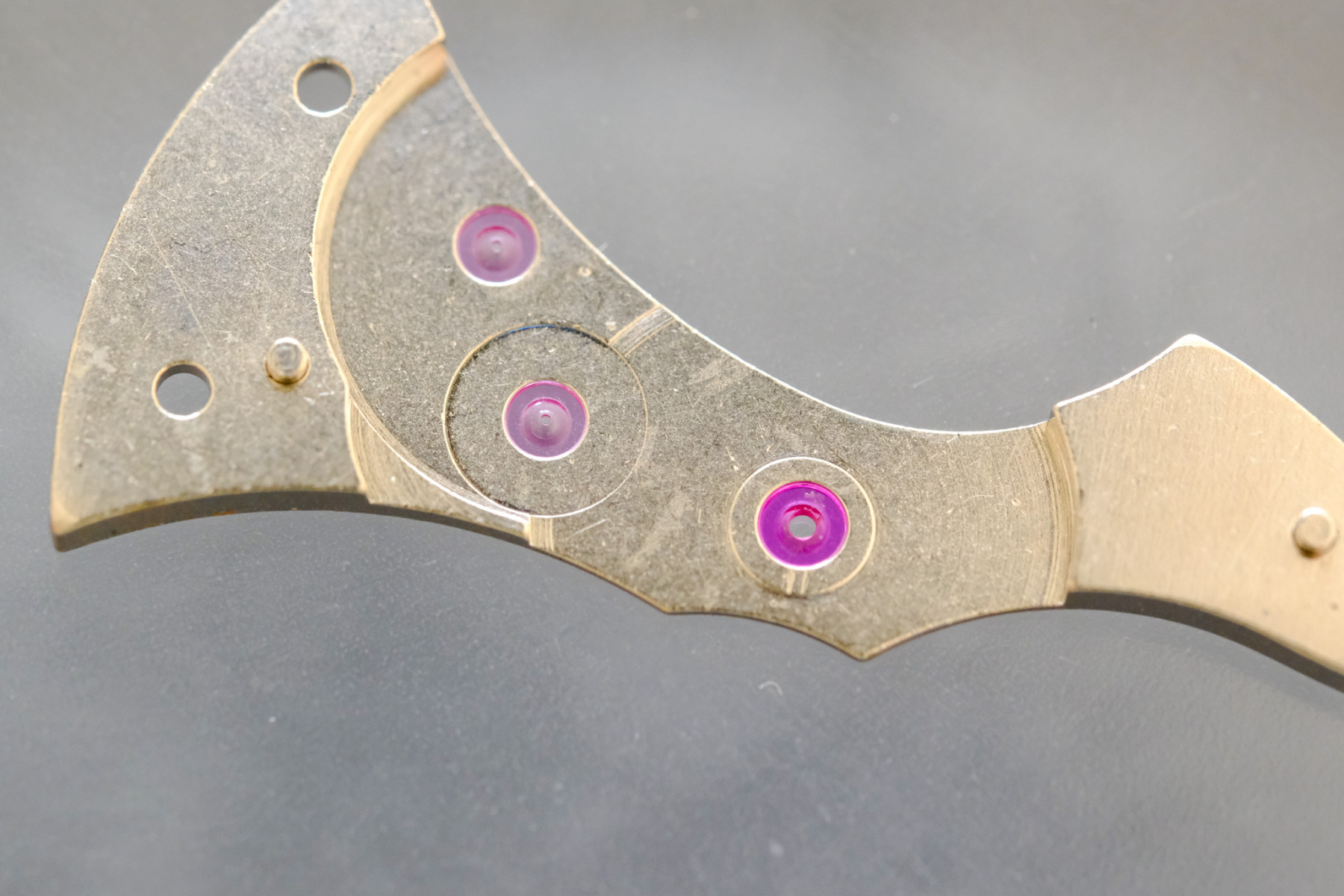
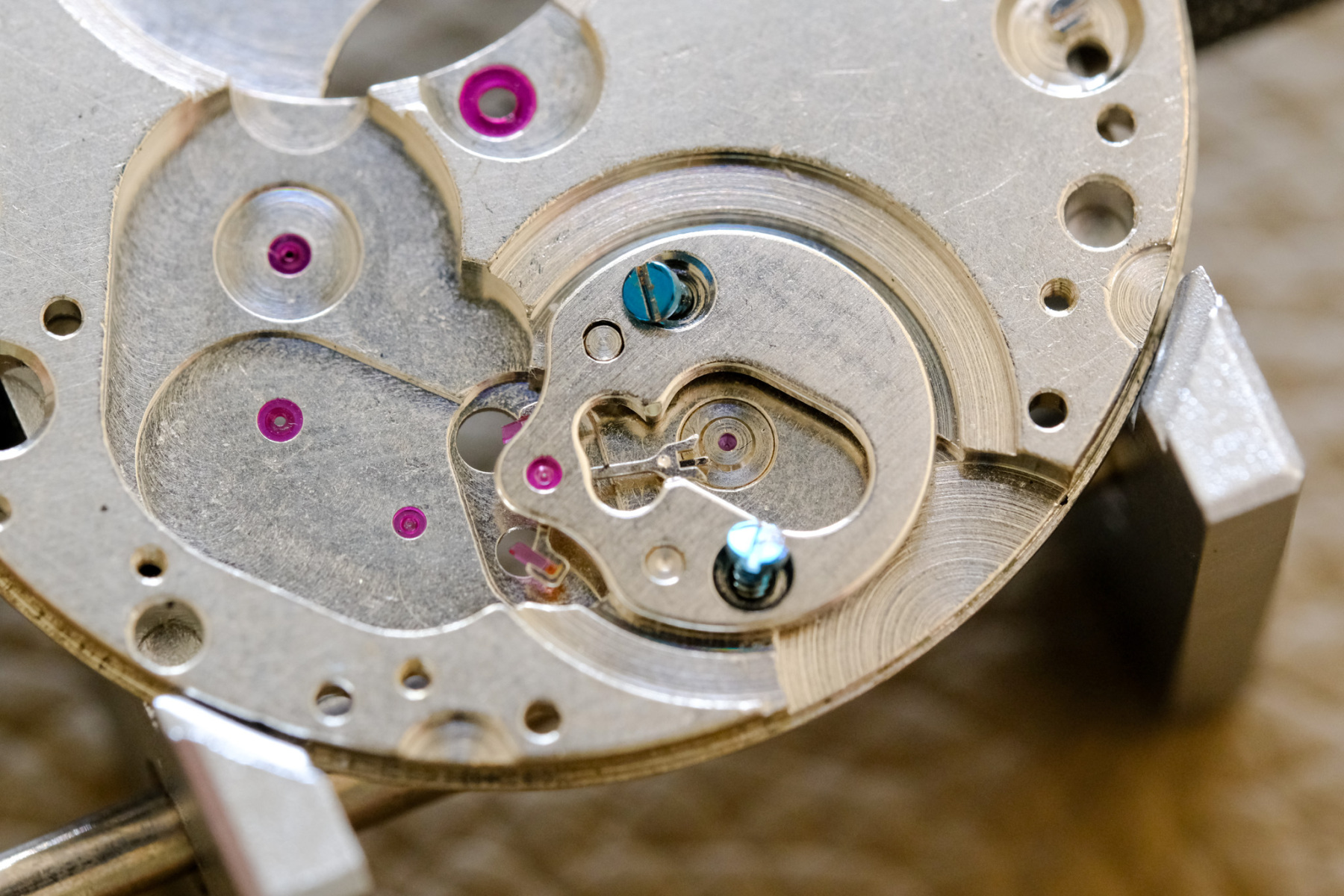
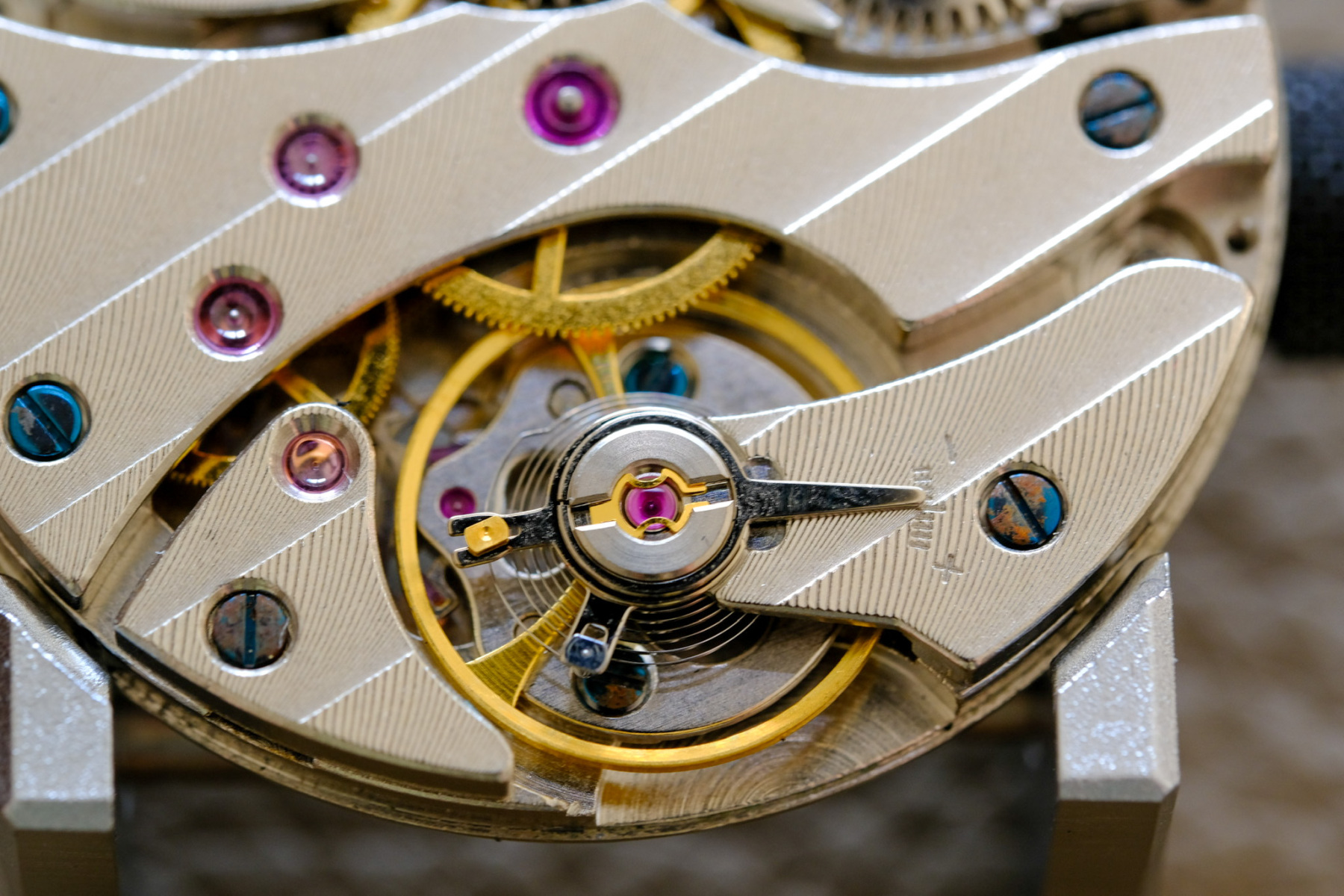
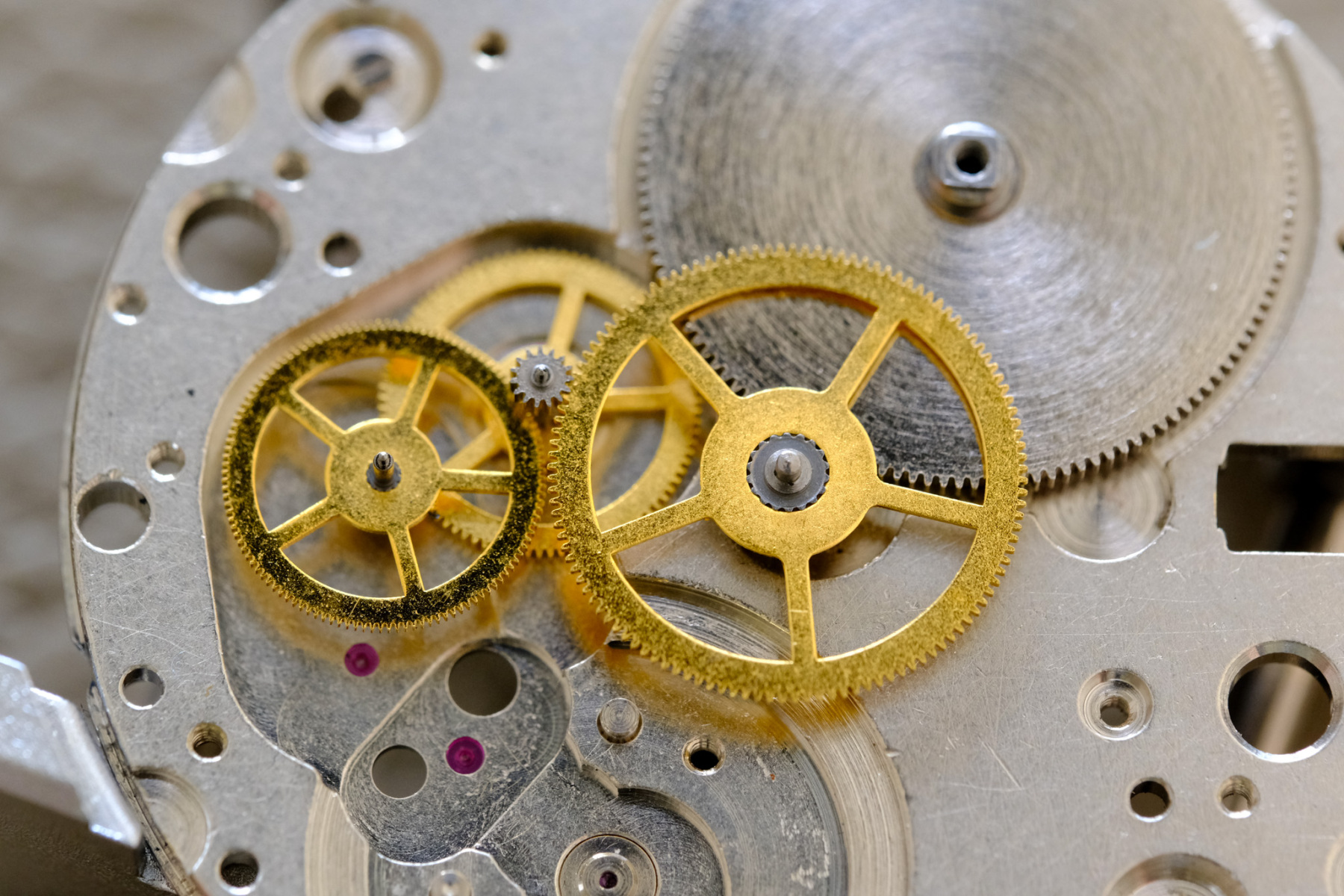
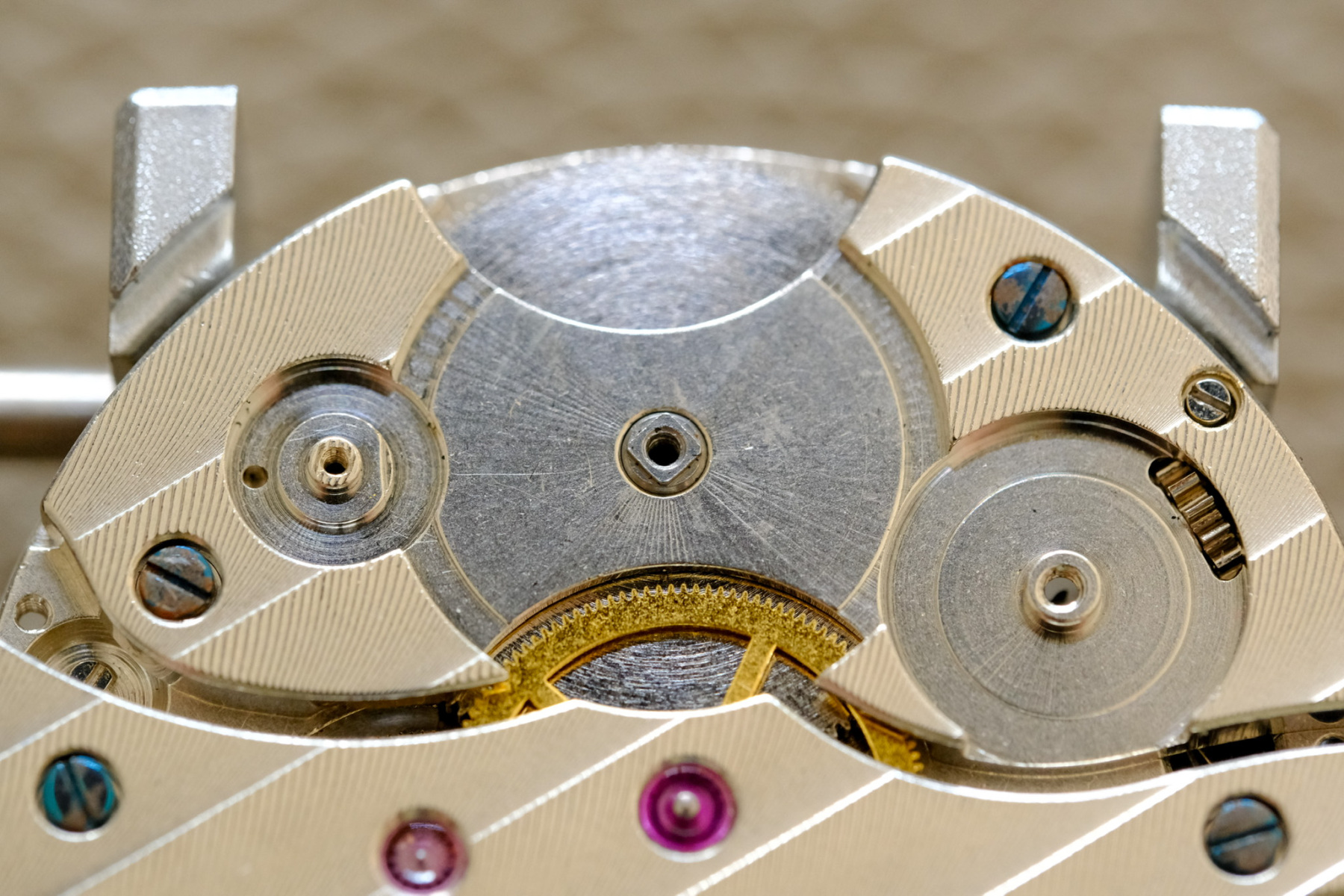
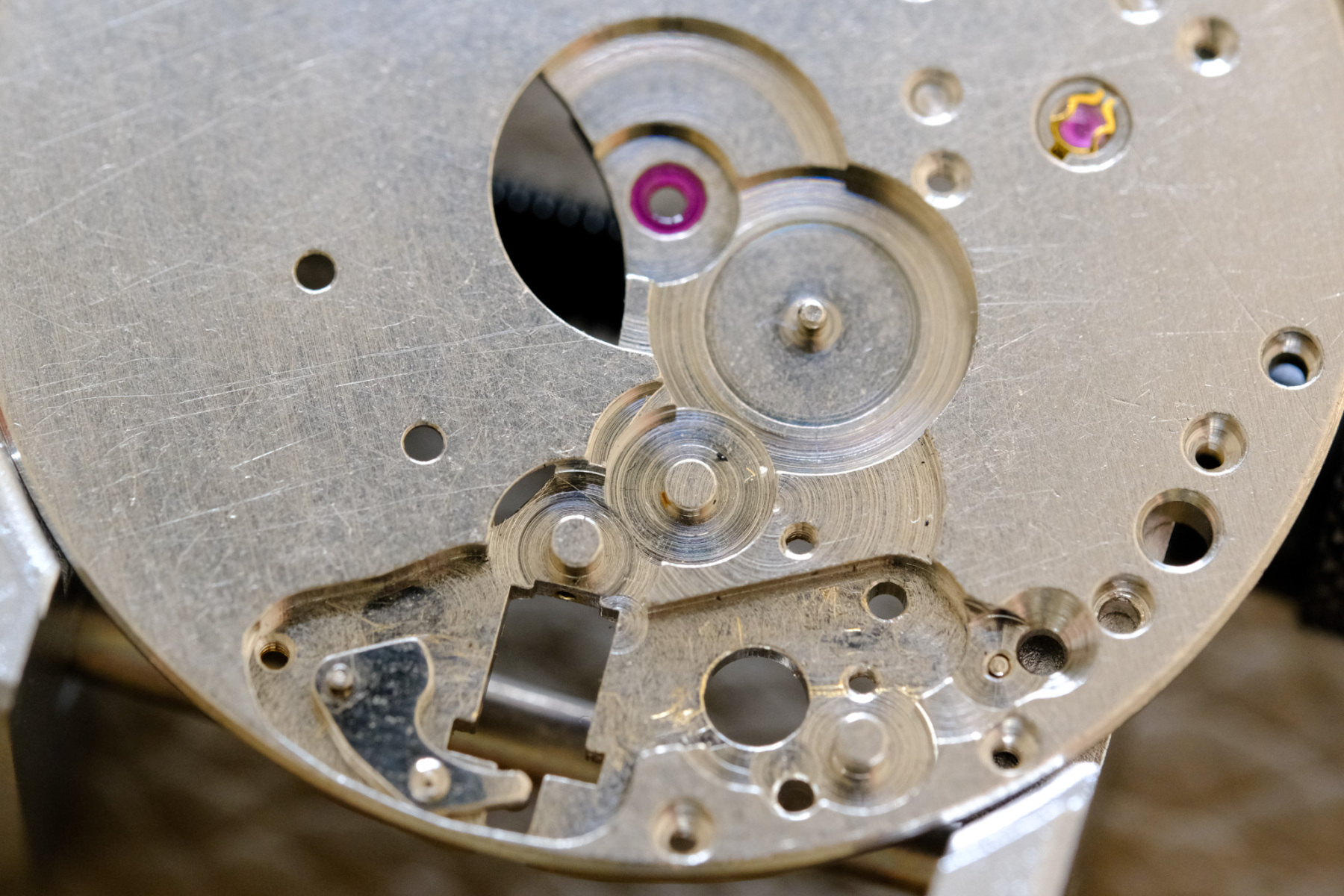
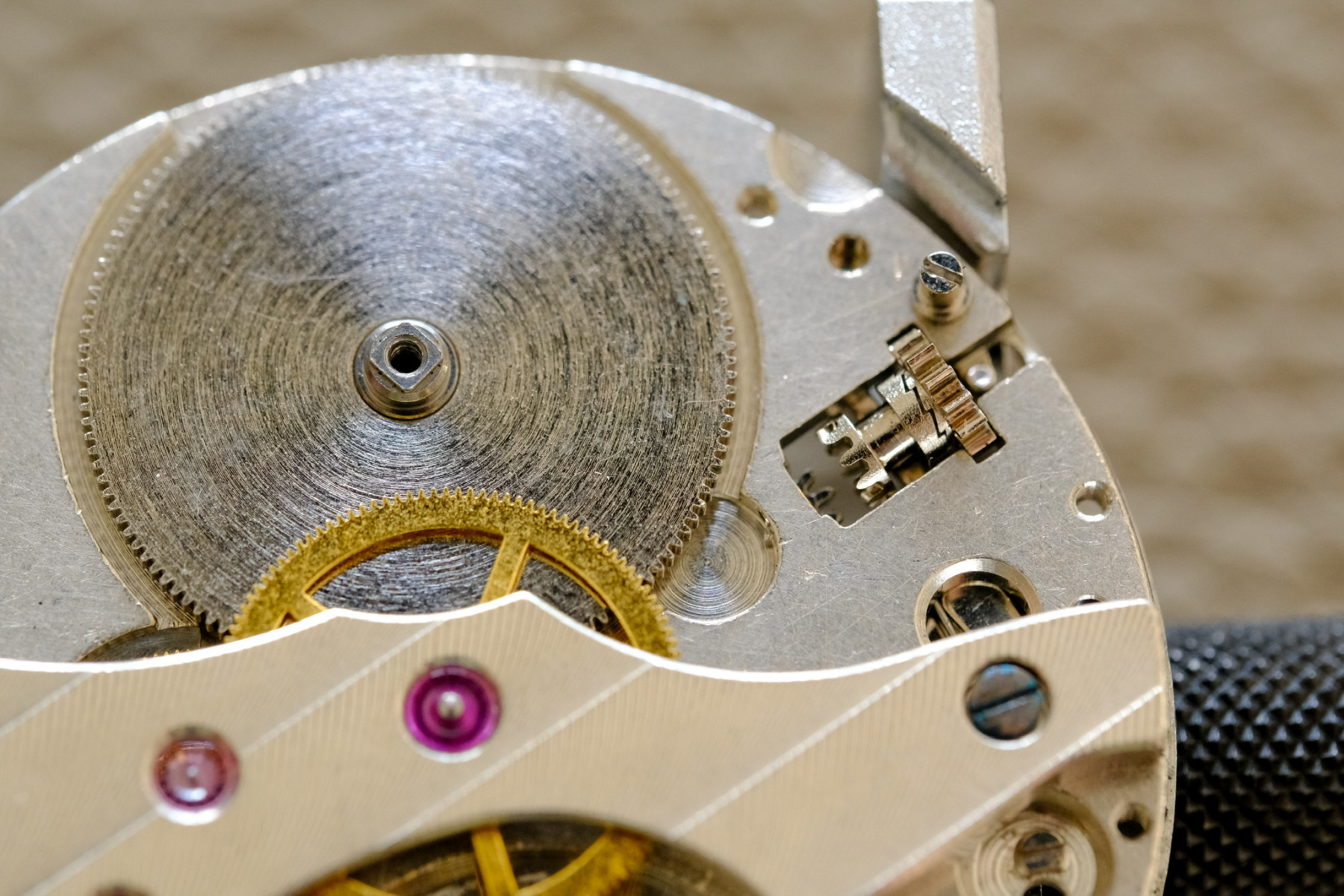
I’m hooked on this lens. I won’t be your millionth automotive or lingerie photographer, but I do love macro photography. If you ever need an amateur for your next watch meetup or workshop, feel free to slide into my DMs (or email).
One more thing—I think I can get even closer. For the photos above, I believe there’s still room to push in further. Should I? Maybe I’ll test it out on a Soviet chronograph movement. Let’s see.
Kindly,
Olaaf